
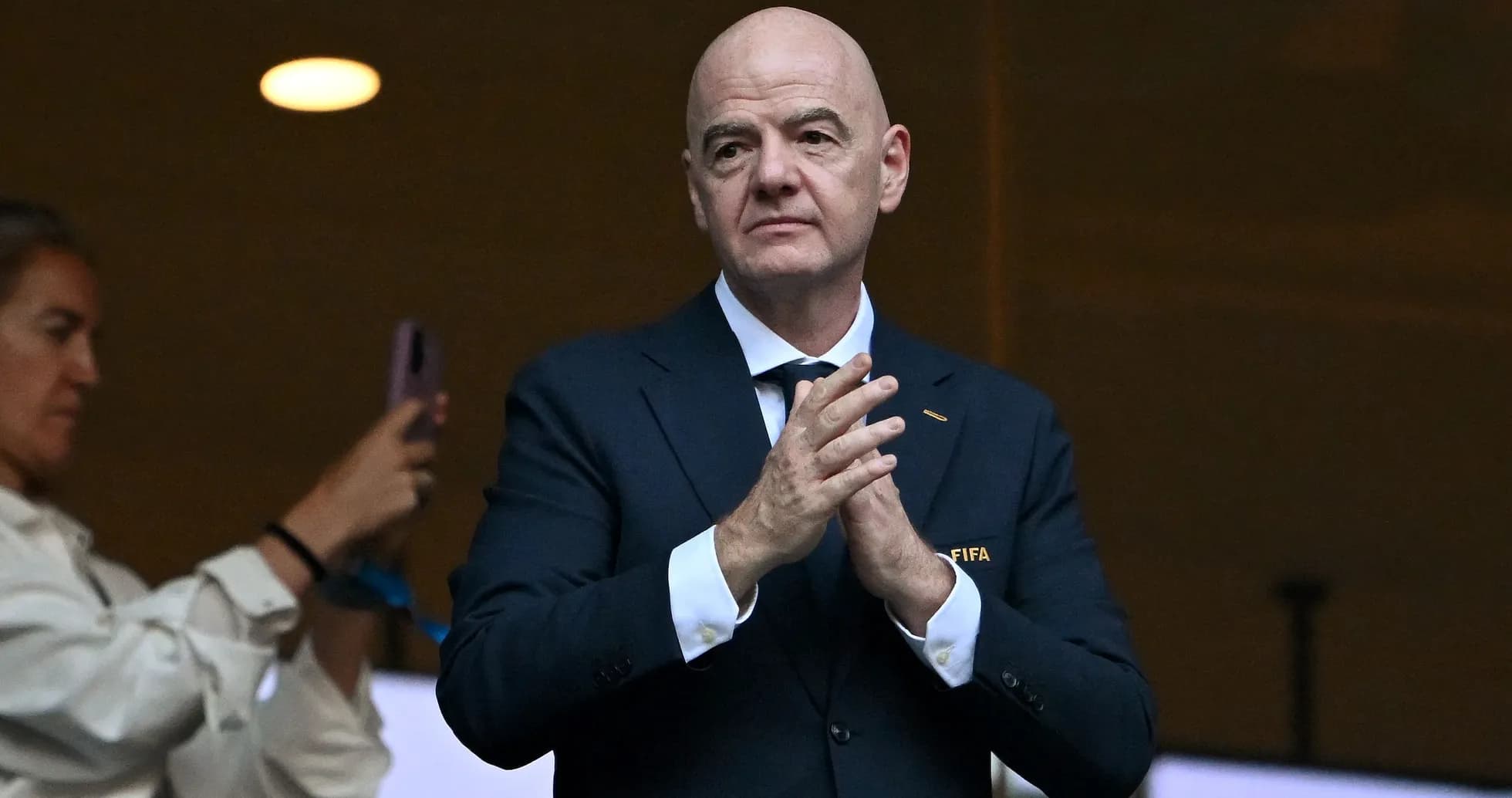
European Nations Threaten Boycott of FIFA Amid Infantino's Controversial Plans
The prospect of England and several leading European nations walking away from FIFA competitions is no longer background noise. It is on the table, in writing, and edging closer to reality.
The latest rupture came after Gianni Infantino pushed a plan that stunned even battle‑hardened administrators: a new FIFA subsidiary, designed to manage and sell off major stakes in blue‑riband assets, including the World Cup itself. The idea detonated across Europe. By Friday night, the scheme had collapsed. The anger did not.
UEFA's Response
UEFA’s response was blunt and public. In a statement to Sky News, a spokesperson underlined that Europe’s national associations had already set out clear conditions for avoiding a boycott of FIFA tournaments: the sell‑off proposals had to be fully withdrawn, and there had to be cast‑iron assurances that such a move to “disfigure the game” would never resurface. Neither condition, UEFA stressed, has been met.
That was only the start. The same statement confirmed that UEFA’s loss of confidence in Infantino’s presidency, first made clear on Saturday, still stands. Nothing in the last 24 hours, it said, had shifted that stance. The reminder was pointed: the people now rallying behind Infantino are on his payroll and depend on his favour. Their backing, UEFA argued, does not alter the political reality.
FIFA's Response
Under siege, Infantino and FIFA secretary general Mattias Grafstrom tried to stem the revolt. A joint letter went out from Zurich, an attempt to cool the temperature after a week of open warfare. They expressed regret over how the commercial scheme had been rolled out and acknowledged mistakes, both in the design of the project and in the chaotic aftermath once it leaked into the media.
“We sincerely apologise for these errors and commit to them not happening again,” the letter stated, promising a review and a report to the FIFA Council at its next scheduled meeting. It was contrition, but on limited terms. There was no hint of the sweeping leadership change that many European associations now want.
Even as FIFA reached for an olive branch, it tightened its jaw. The same communication defended the legality of the abandoned project and warned against any further leaks of confidential material. According to FIFA’s leadership, every step had been taken “in full compliance with the FIFA regulatory framework”, a line that jarred with the outrage from across the global game at the idea of parcelling up the World Cup for sale.
With the project now officially withdrawn, Zurich’s tone hardened. The letter made clear that FIFA would no longer “tolerate any attacks on its integrity, good governance and due process” and vowed to take “all necessary measures” to protect its name and reputation. To the critics, it sounded less like reconciliation and more like a cease‑and‑desist.
Political Fallout
The political fallout is no longer theoretical. It could hit the pitch within weeks.
England’s youth and senior teams sit squarely in the firing line. The first potential flashpoint is the Women’s U20 World Cup, due next month, for which England have already named a training squad. If the boycott threat turns into action, players and coaches who have spent years preparing for that stage could find themselves sidelined by a boardroom war.
Beyond that, the stakes rise sharply. The qualifying play‑offs for the 2027 Women’s World Cup, involving England, Scotland, Wales, Northern Ireland and the Republic of Ireland, are scheduled for October. Those fixtures are supposed to shape a global tournament. Instead, they may become a test of strength between Europe’s biggest federations and a FIFA president fighting to keep control of his own showpiece event.
If neither side blinks, the next World Cup may not just be missing a few stars. It could be missing entire nations.





