Enzo Maresca's Captaincy Decision for Manchester City
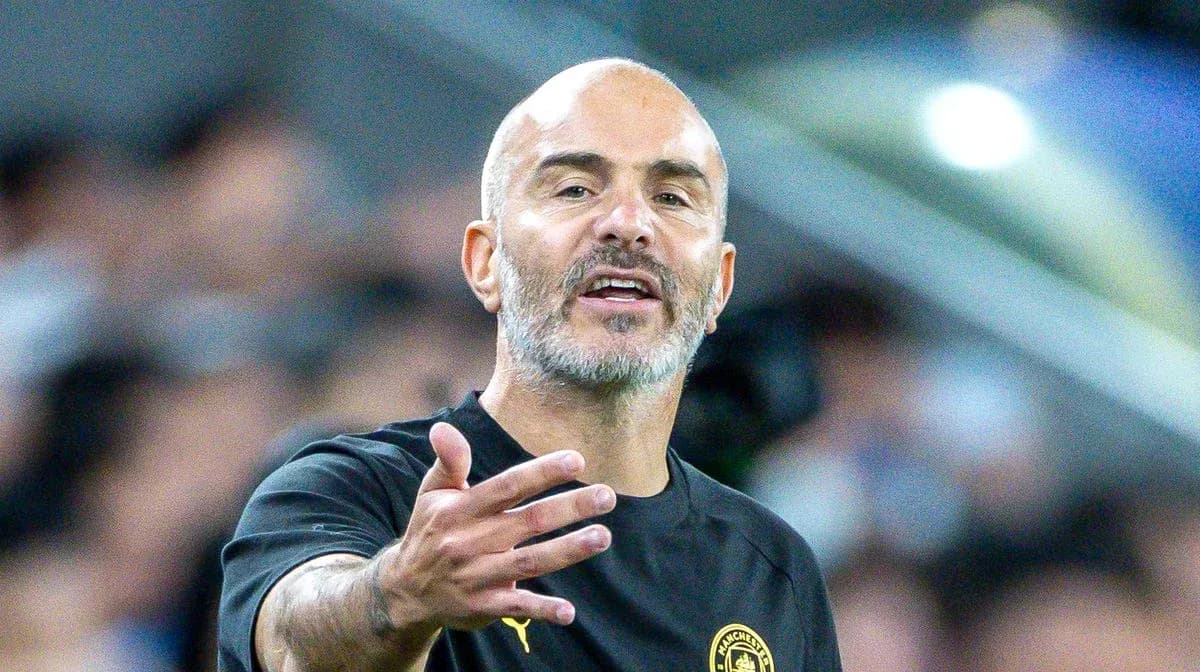
Enzo Maresca has been in the Manchester City job only a short time, but he has already drawn one firm line in the dressing-room sand: there will be no players’ vote for captain. The armband, and the group that surrounds it, will be shaped by the manager himself.
This is not a minor tweak. Under Pep Guardiola, the leadership group became a powerful, player-driven institution, with senior figures choosing who wore the armband. Maresca wants something different. He wants a hierarchy that reflects his vision, his priorities, his changing City.
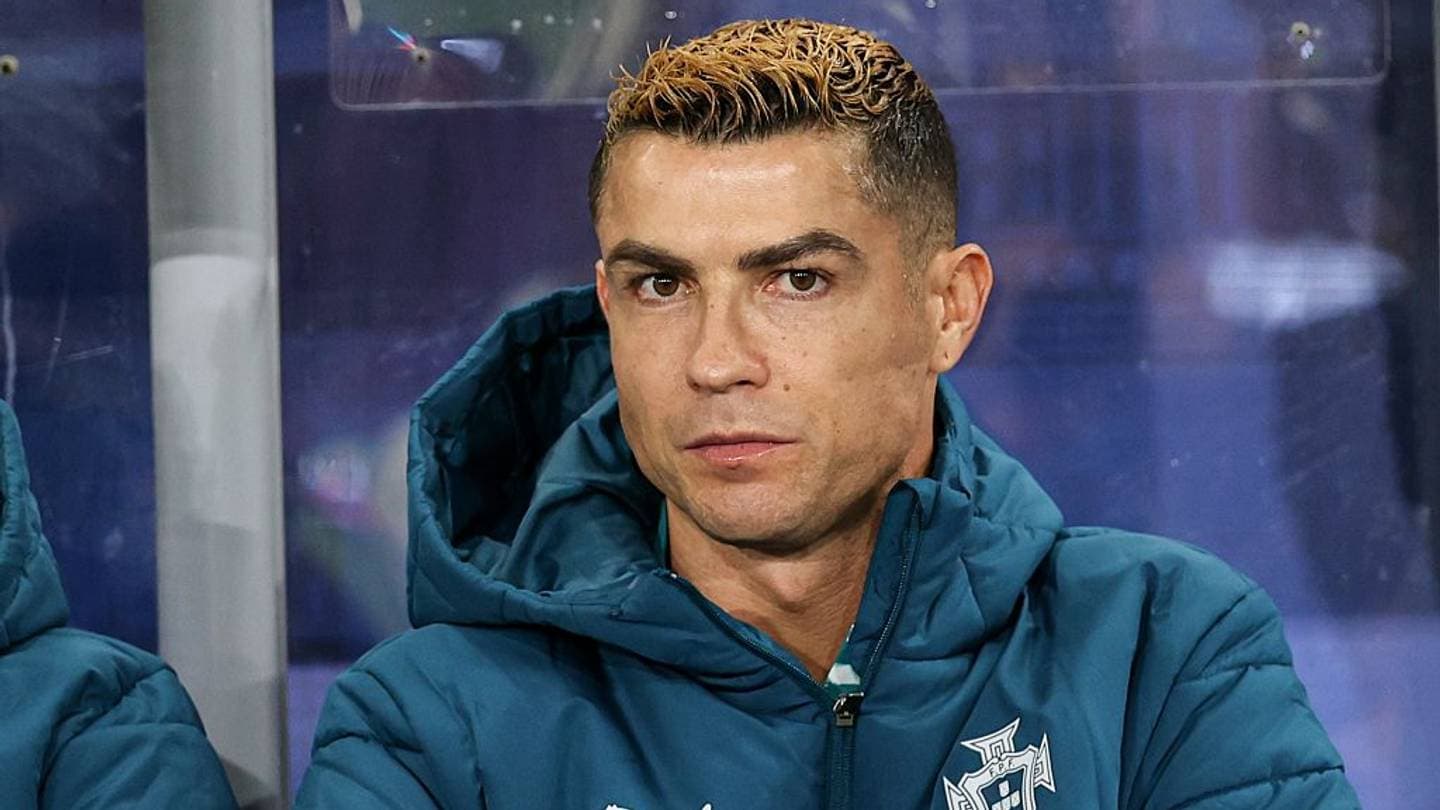
At the heart of that is Ruben Dias.
With Bernardo Silva gone to Real Madrid, the path is clear for Dias to become the new permanent captain. The Portugal defender was already a leading candidate last summer before Guardiola halted the usual dressing-room vote, and his decision to stay at City despite interest from elsewhere only strengthens his case. He is the obvious standard-bearer for this new era.
But Dias cannot do it alone, and the old guard around him is thinning.
Last season’s leadership group was small: Dias, Erling Haaland and Rodri. Now Barcelona are pushing hard to close a deal for Rodri, leaving Maresca with vacancies both in midfield and in the inner circle of the dressing room. That opens the door for new voices, new personalities, and a subtle shift in the club’s internal culture.
One of those potential voices is Josko Gvardiol. The defender has never hidden his appetite for responsibility and would willingly step forward if asked. He has the presence, the authority, the game to back it up. Maresca, though, has another key requirement in mind as he reshapes his core group: at least one of his captains must be English.
That immediately brings Phil Foden into sharper focus.
Foden spoke publicly this week about feeling the need to embrace a bigger role, acknowledging that he is now the longest-serving member of the first-team squad. It is a remarkable sentence for a player still in his mid‑twenties, but it reflects City’s churn and his own journey from academy prodigy to senior figure.
The last two years have not been smooth. Since being named the best Premier League player, the 26‑year‑old has endured a difficult spell, searching for rhythm and consistency in a squad packed with stars. Maresca’s arrival offers a reset, and a leadership role could be the lever that drags Foden back to his highest level. Responsibility has a way of sharpening a player’s edge.
He will not be the only English candidate under consideration.
Marc Guehi arrived from Crystal Palace in January with captaincy experience already on his CV. He had worn the armband at Selhurst Park and slipped into the City side with minimal fuss after his winter move, looking comfortable in both the system and the spotlight. He is still away on holiday after the World Cup, but once he returns, his profile fits almost perfectly with what Maresca is trying to build: calm, vocal, reliable, and proven as a leader at Premier League level.
Nico O’Reilly and Elliot Anderson, both due back next week, add further homegrown options to the mix. They may not yet be ready to stand at the very front of the group, but their presence matters in a squad that Maresca clearly wants to root more firmly in English influence at the top.
Strip it all back and the picture is clear.
Maresca is not simply picking a captain; he is redrawing the power map of Manchester City’s dressing room. Dias is poised to be the emblem, Gvardiol stands ready, Foden is on the brink of a new responsibility, and English voices are being nudged closer to the centre.
The question now is not whether City will have leaders. It is which of them will define the character of Maresca’s Manchester City when the season’s pressure really bites.