England's World Cup Journey: Tuchel's Future Remains Secure
England’s World Cup dream died in Atlanta, but Thomas Tuchel’s job is not going with it.
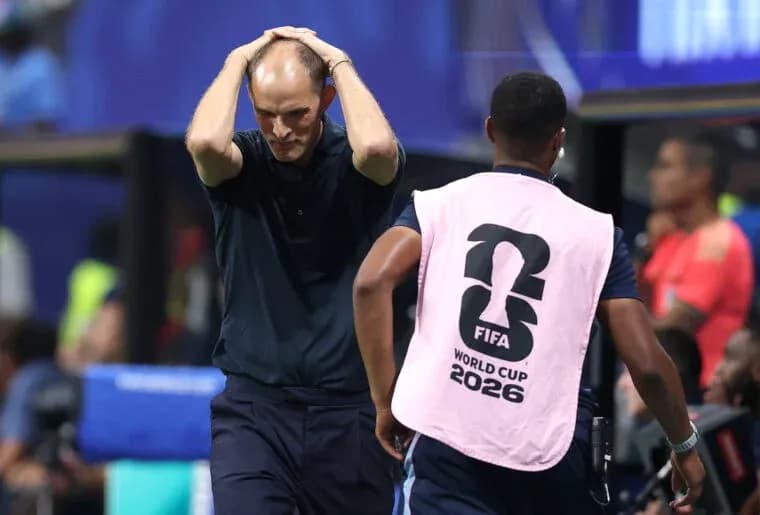
A 2-1 defeat to Argentina at the Atlanta Stadium on Wednesday ended hopes of a place in the final and unleashed a wave of criticism over Tuchel’s game plan, especially after Anthony Gordon’s 55th-minute opener. With England in front, the manager chose control over chaos. The country wanted a statement win; what it got was a retreat.
The backlash was immediate. Fans and pundits questioned why a side packed with attacking talent sank deeper after taking the lead, inviting pressure from an Argentina team that rarely needs a second invitation. The narrative wrote itself: England ahead, England cautious, England punished.
Yet inside the corridors of power, there is no appetite for revolution.
Tuchel, appointed in January 2025, still has the full backing of the Football Association, according to BBC Sport. His contract, originally due to run only until this World Cup, was extended in February by two more years, tying him to the job through Euro 2028. That decision was not a whim, and the FA has shown no sign of second thoughts despite the semi-final heartbreak.
This was not a disastrous tournament. England arrived among the favourites and, for long stretches, played like it.
They announced themselves with a 4-2 dismantling of Croatia in their opening match, a performance that justified the hype and set expectations sky-high. The swagger dipped in the group that followed. Wins over Ghana and Panama lacked fluency, raised eyebrows, and stirred old doubts about England’s ability to sustain dominance on the biggest stage.
Then something clicked in the knockouts.
The Three Lions ground past DR Congo, doing what good tournament teams do: surviving first, shining later. At the Estadio Azteca against Mexico, they did more than survive. They produced a genuine statement display, a controlled, ruthless performance that felt like a turning point rather than a one-off. The path only grew steeper, yet England kept climbing. Norway posed awkward questions, but Tuchel’s side answered them with authority and composure.
By the time they walked out in Atlanta to face Argentina, England looked hardened, battle-ready, and every inch a contender. When Gordon struck just before the hour, it felt like the moment the years of planning, the tactical tweaks, the risk of appointing a German coach to lead England, all came together.
Then came the choice.
Protect the lead or press it home? Tuchel chose protection. Lines dropped. The full-backs advanced less. The midfield, so assertive earlier in the tournament, focused on closing spaces rather than exploiting them. Argentina, sensing the shift, pushed higher, passed quicker, and finally broke through.
The pressure told. England, who had grown into the World Cup with each round, shrank in its decisive spell.
The defeat leaves scars, and the debate around Tuchel’s conservatism will not fade quickly. Yet the FA’s stance is clear: this project does not end in Atlanta. It rolls on toward Euro 2028 with the same man in the dugout, the same ideas under scrutiny, and a squad that has now come close enough to feel what it means to miss out.
England have fallen one step short again, but the story is not over. The question now is whether Tuchel can turn this near-miss into the foundation of a team that finally goes that one step further on home soil in 2028.