England's World Cup Challenges: Injury Woes and Tactical Adjustments
England’s World Cup campaign has barely cleared the runway and already it has lurched through every emotional pocket of turbulence available.
From the irritation of that slack defending against Croatia to the roar that greeted a blistering second-half response, Thomas Tuchel’s side have already served up what many would argue was England’s most complete 45 minutes in years. Then came Ghana. A flat, goalless draw that dragged the mood back down and reminded everyone this is a long tournament, not a highlights reel.
Still, England sit where they wanted to be: in control of the group, with a Sunday morning against Panama offering the chance to seal top spot and restore a bit of swagger. On the surface, it looks like the ideal fixture. Underneath, the picture is far less comfortable.
Tuchel’s right‑back nightmare
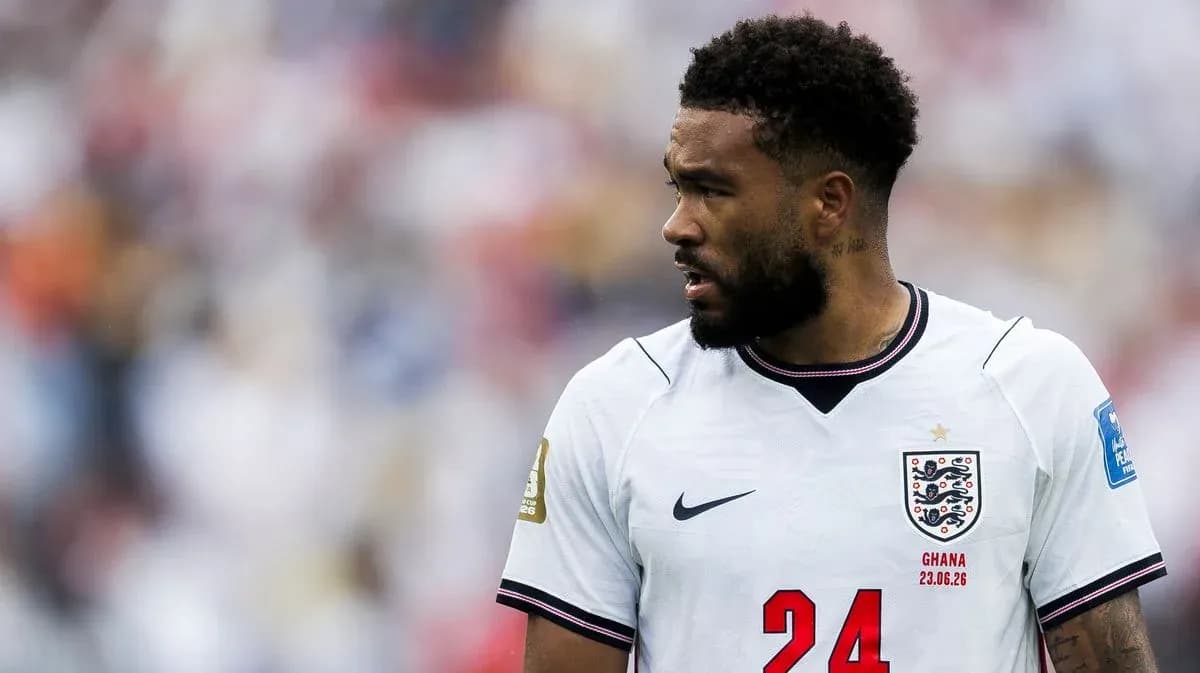
Reece James is the latest cloud over Tuchel’s preparations, and this one feels ominous.
The 26-year-old missed England’s final training session in Kansas City with a hamstring issue before the squad flew to New Jersey. The FA framed it as James following an individual programme, but there is no return date ringed in red, no firm reassurance. For a player who lost a significant chunk of last season at Chelsea to a similar problem, that matters.
John Cross has reported that James is a “massive” injury worry and is expected to miss the Panama game. The concern doesn’t stop there; his availability for the knockout stages is now a live question. For a manager who has already seen Tino Livramento – the man most likely to step in at right-back – ruled out on the eve of the tournament, this is the one position Tuchel could least afford to see unravel.
If there is a match to miss, it is Panama. With respect, this is not Brazil under the lights. But tournaments are built on rhythm and certainty. England are still in the group stage of a new, expanded World Cup, and Tuchel is already patching holes in his plan.
Saka, Rice and the Arsenal toll
The right flank is not the only headache.
Bukayo Saka arrived in camp nursing an Achilles problem after a draining season in which he and Declan Rice drove Arsenal to their first Premier League title in over 20 years. The price of that domestic glory is now being paid in international instalments.
Saka has been limited to cameos from the bench so far. Noni Madueke flashed promise against Croatia, especially when the game opened up, but England have clearly missed Arsenal’s talisman in full flow. Saka is pushing to start against Panama; whether Tuchel risks him from the off in a game England should control is another matter.
Rice, meanwhile, finished the Ghana match with a dressing around his calf and was visibly struggling late on. Reports suggest he has been managing issues for months. The word from camp is that the problem that kept him out of Thursday’s training is not serious, but every time a key midfielder sits out a session at a World Cup, the anxiety meter jumps a notch.
Strip away James, Saka and Rice and you’re not just removing three starters. You’re tearing out the spine of Tuchel’s structure on and off the ball.
Square pegs and the Trent question
If James sits out only Panama, the damage is minimal. Tuchel could probably have justified resting him anyway, given his recent injury history and the level of opposition. The alarm bells really start ringing if this drags on into the knockouts.
Without Livramento, the options are Ezri Konsa or Jarell Quansah. Konsa is expected to shuffle across from centre-back on Saturday, a job he can certainly do. Quansah can also operate there. Both are composed, both are reliable. Neither is Reece James.
They are centre-backs by trade, defenders who think first about the line, the duel, the cover. James – and Livramento, for that matter – gives England thrust. He overlaps, underlaps, punches passes into midfield, whips early crosses. He changes the geometry of attacks. Konsa or Quansah at right-back feels functional, not transformational, and over several games that difference starts to bite.
The situation also drags a contentious decision back into the spotlight. Trent Alexander-Arnold, the most natural attacking right-back England have, was overlooked by Tuchel for this squad. In a tournament where one injury has already stripped away the first-choice option and another has removed the designated deputy, England now stare at the prospect of having no orthodox right-back at all.
Djed Spence can play there, but he has increasingly operated off the left despite being right-footed. Again, it’s compromise. It’s adjustment. It’s not the clean, specialist solution managers crave in knockout football.
If James returns quickly and plays the bulk of England’s games, the noise dies down. If he doesn’t, Tuchel’s gamble in not naming another natural right-back will be thrown back at him with force.
A gentle fixture, a sharp edge
For now, Panama offers some breathing space. It is a game England should control, even if Tuchel rotates and leans on his depth.
A possible XI reads: Pickford; Konsa, Stones, Guehi, O’Reilly; Anderson, Mainoo; Saka, Bellingham, Rashford; Kane. On paper, that is still a side capable of winning a World Cup match at a canter.
But paper doesn’t win tournaments. Fitness does. Continuity does. The ability to look at a team sheet in the knockouts and know that your key men are not just available but fully primed is what separates contenders from passengers.
England’s week has been largely positive. A statement half against Croatia, control of the group, a path opening up. Yet as they head into their final group game, the story is no longer just about performances or points.
It’s about whether Tuchel can keep enough of his best players on the pitch long enough to make this World Cup campaign everything it threatens to be.