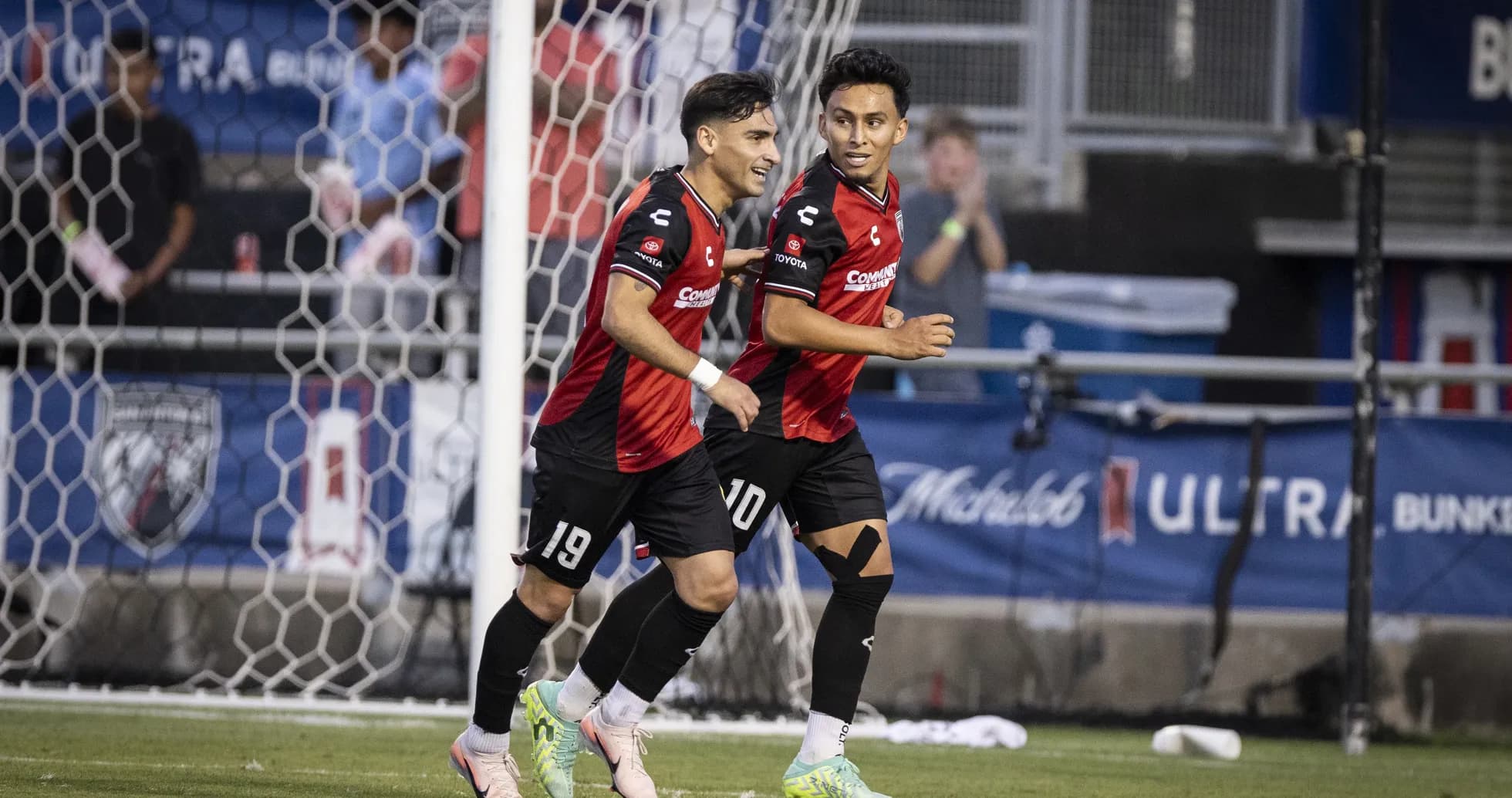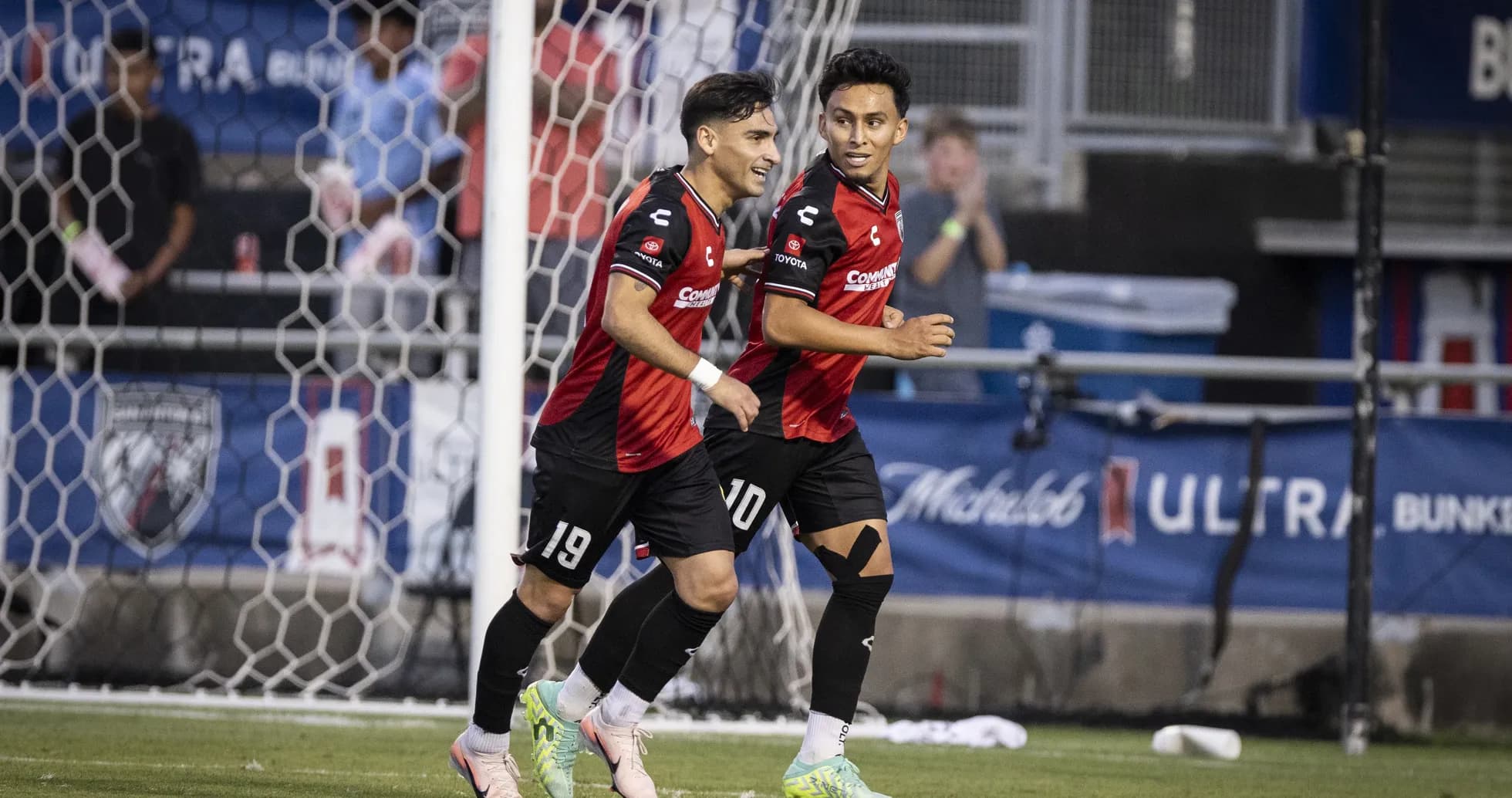
El Paso Locomotive vs Phoenix Rising: A Tactical Draw
Under the lights at Southwest University Park, El Paso Locomotive and Phoenix Rising played out a 1–1 draw that felt less like a routine group-stage fixture and more like an early measuring stick for two sides with playoff ambitions in the USL Championship. The referee, B. Stevis, oversaw 90 minutes that mirrored the league table: fine margins, contrasting identities, and a sense that both teams left something on the table.
Standings Overview
Heading into this game, the standings framed the narrative. Phoenix sat 4th in USL 1 on 17 points with a goal difference of 1, while El Paso were 6th, also carrying a goal difference of 1 but one point behind on 16. Phoenix’s profile was that of a controlled, pragmatic side: overall they had scored 16 and conceded 15 across 13 matches, averaging 1.2 goals for and 1.2 against. El Paso, by contrast, were chaos merchants. Overall they had scored 23 and conceded 22 in 12 games, averaging 1.9 goals for and 1.8 against. This was always likely to be a clash between volatility and restraint.
Home and Away Records
The venue mattered. El Paso’s home record heading into this game was fragile: at home they had played 6, winning 1, drawing 2 and losing 3, with 10 goals for and 16 against. That is an attacking output of 1.7 goals at home but a worrying 2.7 conceded. Phoenix, on their travels, had been more balanced if unspectacular: away they had played 7, with 2 wins, 2 draws and 3 defeats, scoring 7 and conceding 9, an away average of 1.0 goals scored and 1.3 conceded. In theory, the game tilted towards El Paso’s attack versus Phoenix’s structure.
Team Lineups
Junior Gonzalez’s El Paso XI hinted at a side built to embrace that volatility. S. Mora-Mora anchored them in goal, with a defensive line marshalled by Tony Alfaro, K. Twumasi and N. Cardona. The presence of Gabriel Torres and A. Quezada suggested full-backs or wide defenders encouraged to step into midfield, while the central band of E. Calvillo, R. Coronado and A. Mendez offered passing range and bite. Higher up, R. Avila and R. Rubin gave El Paso vertical threat and penalty-box presence.
Pa-Modou Kah’s Phoenix Rising came with a more modular, flexible unit. P. Rakovsky in goal, shielded by C. Smith, P. Mar Boye, JP Scearce and D. Flores, formed a back line that has underpinned Phoenix’s relatively tight defensive record. In front of them, D. Gomez and J. Moursou offered control in central areas, while I. Sacko and G. Rivera looked primed to attack the half-spaces. Wide or central, L. Biasi and G. Studenhofft gave Phoenix the ability to alternate between a front two and a lone striker supported by runners.
Tactical Analysis
Tactically, the absences sheet being empty meant both coaches had the luxury of shaping the game with their preferred core. That matters in a season where disciplinary trends are beginning to bite. El Paso’s yellow-card profile this season is heavily weighted towards the middle third of games: 25.00% of their yellows have come between 46–60 minutes and 28.13% between 61–75 minutes, with another 21.88% in the 31–45 window. Their red cards have flared early, with 40.00% between 16–30 minutes and 20.00% in each of 0–15, 46–60 and 61–75. Phoenix, by contrast, are most combustible just after half-time: 31.82% of their yellows fall in the 46–60 window, with a late spike of 22.73% between 76–90 and 15.91% in 31–45. Their reds have been concentrated entirely in the 31–45 period, with 100.00% of their dismissals arriving before the break.
Overlaying those tendencies with this match’s narrative, the middle third of the game was always going to be the storm. El Paso, already porous at home, often push their line and their midfield aggression just after half-time, which can destabilise opponents but also invites counters and cards. Phoenix, whose discipline wavers in that same 46–60 zone, had to survive El Paso’s emotional surge without losing their shape or a man. That they emerged from this fixture with a point speaks to a certain maturity.
Attack vs Defense
The “Hunter vs Shield” duel here was more collective than individual, given the lack of top-scorer data, but the identities were clear. El Paso’s attack at home, averaging 1.7 goals, is designed around volume and variety rather than a single focal finisher. Rubin’s movement between the lines, Avila’s willingness to stretch the pitch, and Torres stepping up from deeper zones ask constant questions. Phoenix’s “shield” on their travels – conceding 1.3 goals away – is built on the positional intelligence of Scearce and Mar Boye, with Smith and Flores tasked with shutting down wide overloads. In this 1–1, the balance landed almost exactly where the numbers suggested: El Paso did enough to find a breakthrough, Phoenix were solid enough to ensure they were never blown away.
Midfield Battle
In the “Engine Room,” Calvillo and Mendez for El Paso were pitted against D. Gomez and Moursou. El Paso’s season-long pattern of never failing to score – overall they have failed to score in 0 matches, both home and away – is rooted in that midfield’s ability to move the ball quickly into dangerous zones. Phoenix’s central duo, backed by a team that has already kept 4 clean sheets overall (2 at home, 2 away), are tasked with slowing games down to their tempo. The 1–1 scoreline reflected a stalemate in that battle: El Paso imposed enough rhythm to create, Phoenix disrupted enough to avoid being overrun.
Statistical Prognosis
From a statistical prognosis standpoint, the draw aligns with the underlying trends. El Paso’s overall goal difference of 1 (23 for, 22 against) and Phoenix’s identical overall goal difference of 1 (16 for, 15 against) underline how evenly matched these sides are at this stage of the season. El Paso’s home fragility – 10 scored, 16 conceded at home – was partially corrected here by limiting Phoenix to a single goal, while Phoenix’s away profile – 7 scored, 9 conceded on their travels heading into this – was maintained by finding the net but not shutting the door completely.
Set-Pieces and Penalties
Set-pieces and penalties, often decisive in tight USL games, offered another lens. El Paso have been perfect from the spot this season: overall they have taken 4 penalties and scored all 4, with 0 missed. Phoenix have also been flawless, scoring all 5 of their overall penalties and missing none. In a match where neither side blinked from the spot, the contest reverted to open-play patterns and defensive concentration.
Conclusion
Following this result, both clubs remain firmly within the playoff conversation, but the nuances matter. For El Paso, the challenge is to turn home volatility into controlled dominance – to preserve their attacking verve while shaving down that home average of 2.7 goals conceded. For Phoenix, the mission is to add a touch more incision on their travels without loosening a defensive structure that has kept them competitive in every environment.
In the end, the 1–1 in El Paso felt like a snapshot of two teams still sculpting their final form: Locomotive chasing a more stable version of their chaos, Rising refining a pragmatic blueprint that keeps them within striking distance of the top.