Egypt Triumphs Over Australia in World Cup Shootout
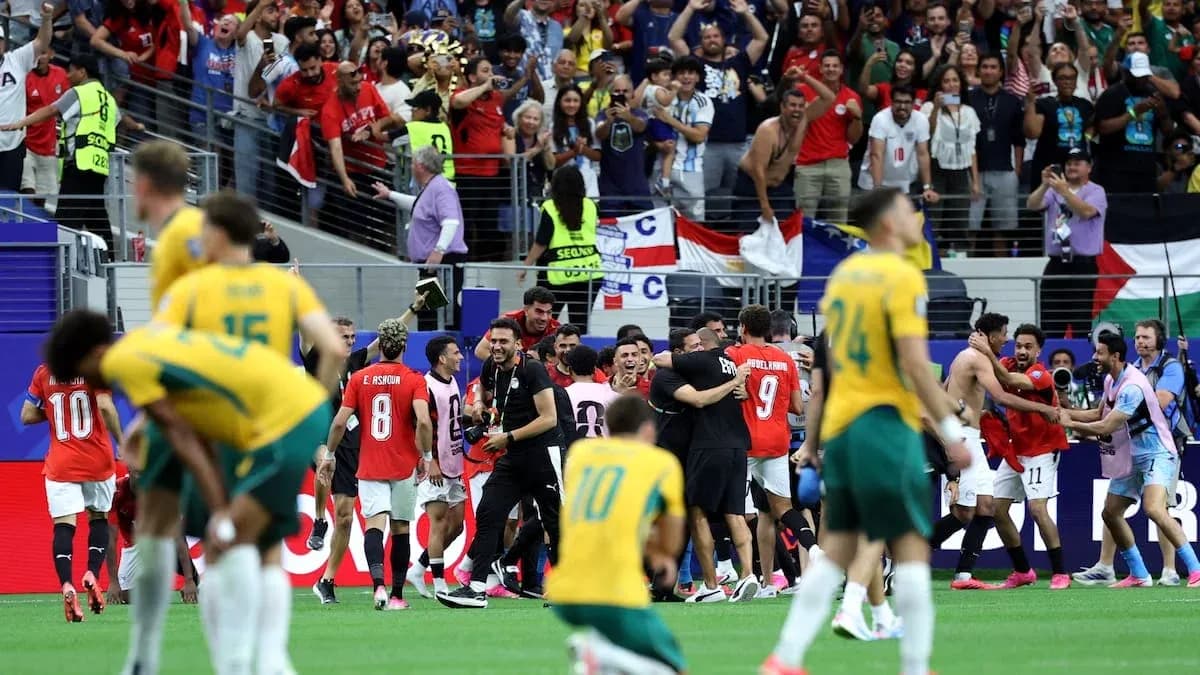
Mohamed Salah’s tears told the story. Egypt are through. Australia are out. And a World Cup epic in Dallas ended in the most brutal way possible – from 12 yards.
A gamble, a crossbar, and a cruel ending
Tony Popovic rolled his final dice before the shootout, hauling off his young goalkeeper and sending on Mathew Ryan, the veteran trusted for this exact moment. It was a bold, late call. It almost worked. Almost.
Australia’s players walked towards the penalty spot with 70,000 watching, the noise surging from the Egypt end, whistles raining down. Harry Souttar went first. The big defender, so often a pillar of calm, stepped up – and smashed his kick over the bar. Australia were behind before the shootout had even settled into its rhythm.
Every penalty after that felt like a hammer blow. Five in a row were converted, Salah among them, his run-up unhurried, his finish ice-cold. The same player who had laboured through the 120 minutes suddenly looked reborn from the spot.
Then came 18-year-old Lucas Herrington. A defender, a teenager, carrying a nation’s hopes. His strike beat the goalkeeper but not the frame of the goal, crashing against the bar and flying away. Abdelmaguid followed, kept his nerve, and buried his kick. Egypt surged away in celebration, Salah collapsed in tears of joy, and Australian players sank to their knees, their tournament ripped away in a heartbeat.
Egypt strike first as Australia chase
The drama of the shootout only made sense in the context of what came before: a tense, attritional contest that swung on fine margins and one glaring own goal.
Hossam Hassan’s side struck early. Emam Ashour, already in form in this tournament, slipped free at the back post after just 13 minutes. Karim Hafez’s cross picked him out and the midfielder buried his header for his second goal of the competition. Slightly against the run of play, Egypt led, and the seven-time African champions had something solid to protect.
Australia, who had scored only twice in the group stage, suddenly had to chase. They almost made the perfect start even before Ashour’s opener. Cristian Volpato, the playmaker who chose Australia over Italy on the eve of the World Cup, rattled the top of the crossbar inside the first five minutes. It was a warning, and it rattled Egypt’s back line, which looked edgy for much of the opening exchanges.
Yet for all of Australia’s pressure, clear chances remained scarce. Their first effort on target did not arrive until 10 minutes before half-time, when Aziz Behich’s low shot dribbled harmlessly into the arms of Mostafa Shoubir. The Egypt goalkeeper, son of 1990 World Cup stopper Ahmed Shoubir, barely had to move.
At the other end, Salah, 34 and coming off a hamstring strain, drifted around the fringes of the game. The former Liverpool star struggled to impose himself in a first half that was more fight than flair. The half closed with another blow for Australia: Jordan Bos, one of the quickest players in the tournament, was left in a heap after a flying challenge from Rabia. The wing-back could not continue and Kai Trewin replaced him at the break, a significant dent in Australia’s attacking thrust from wide.
Australia hit back through an unlikely source
Seconds after the restart, Egypt should have tightened their grip. Omar Marmoush, the Manchester City forward, arrived in front of goal with the chance to make it 2-0. He slid the ball wide from close range. A huge let-off. Australia clung on.
The miss changed the feel of the game. Egypt’s coach had warned about Australia’s physicality, and those concerns were justified. Set pieces became a weapon, pressure building with every high ball into the box. The equaliser, when it came, was scruffy and self-inflicted from an Egyptian point of view.
From an in-swinging free-kick, Mohamed Hany, under intense pressure, could only glance the ball past his own goalkeeper. His second own goal of the tournament dragged Australia level 10 minutes after half-time. The Socceroos, so short of goals, were back in it thanks to an Egyptian defender’s nightmare.
The goal changed the mood entirely. Both sides could feel the weight of the occasion. Neither Egypt nor Australia had ever won a knockout game at a men’s World Cup. History was there, just out of reach, and it showed in the tension of every tackle, every clearance, every half-chance that went begging.
Extra time, rising tension, and Salah’s redemption
As the clock ticked into the final minutes of normal time, Egypt began to surge. Salah finally found pockets of space, linking play and drawing defenders. One late move ended with Ramy bearing down on goal, only for Australian goalkeeper Patrick Beach to pull off an outstanding save deep into added time, stretching to keep the tie alive and drag it into extra time.
Egypt carried that momentum into the additional 30 minutes. Salah, still not at his explosive best, at least started to shoot. Early in extra time he cut inside and drove a right-footed effort high over the bar. The chance was gone, but the intent was clear. Penalties, though, loomed larger with every passing minute.
Both teams tired. Both teams tightened up. Neither could find the decisive touch. By the end, players on both sides were cramping, glancing anxiously at the scoreboard, knowing what was coming.
Penalties felt inevitable. They were.
Ryan came on as Popovic’s final move. The stadium held its breath. Australia’s composure deserted them first. Egypt’s held. And in a sport that can be merciless, that was all that mattered.
Salah, almost anonymous in open play, left his mark from the spot. Egypt, who had tasted a first-ever World Cup win in the group stage with their 3-1 victory over New Zealand, now have something bigger: a first knockout triumph. Australia, who came within the width of a crossbar in the shootout and a few inches in open play, are left to wonder how close this generation came to rewriting their own history.