
Dundalk Crumble Again as Sligo Rovers Snatch Late Equaliser
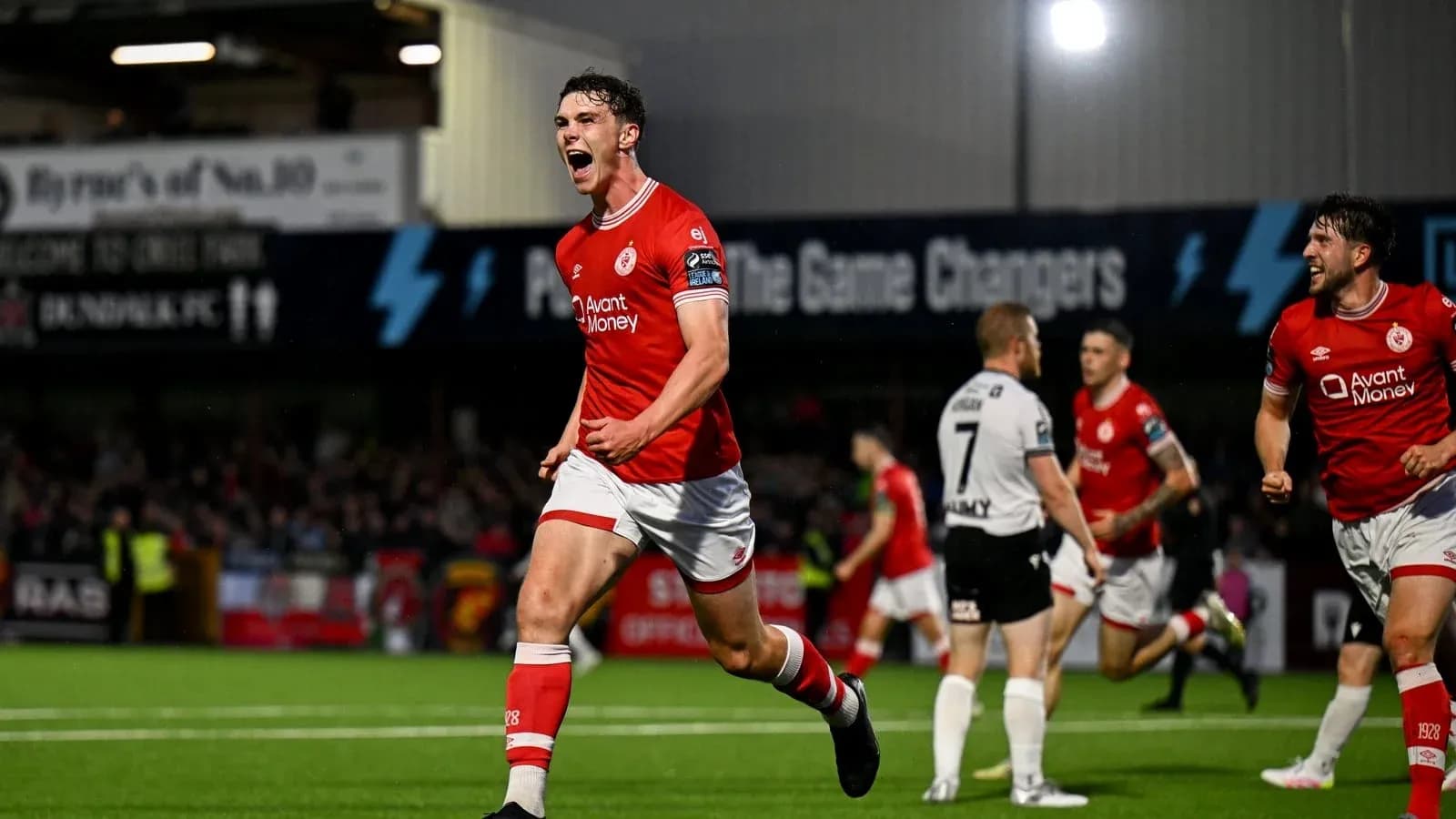
Gareth McElroy stabbed the ball over the line and ripped the heart out of Oriel Park.
Deep into stoppage time, with Dundalk already tasting the relief of a long‑awaited win, the Sligo Rovers defender reacted quickest to a loose ball in the six-yard box to snatch a point and turn a flatlining season into something that suddenly feels alive.
For Dundalk, it was the same grim story on repeat.
Horgan hits landmark, Dundalk crumble again
Ciarán Kilduff’s side had done almost everything right for 90 minutes. They controlled territory, dictated tempo, and created enough chances to win two games. When captain Daryl Horgan thundered them in front early in the second half, the night looked set to belong to him.
It was a landmark moment. The 100th goal of his club career, and his 60th in a Dundalk shirt, smashed high into the net after a neat move down the left. Trevor Clarke released Cian Dillon, Dillon’s ball caused just enough chaos, Harry Groome improvised a lay-off, and Horgan did the rest, rifling past Sam Sargeant on 52 minutes.
At that stage, Sligo were hanging on. Again.
Darren Purse’s side had conceded late against Drogheda United six days earlier and arrived in Louth bottom of the table on goal difference. They played like a team carrying that weight in the opening half, surviving more than competing, and grateful to Sargeant for keeping them in the contest.
Dundalk poured forward from the start. Within 17 minutes, Sargeant had already made routine stops from Ronan Teahan, Horgan and Dillon as white shirts swarmed around the Sligo box. The pressure was constant, the pattern clear.
Sligo, by contrast, managed just one effort before the interval. It came on 19 minutes when Luke Pearce rose to meet a Jack Shorrock cross but could only direct a tame header at Enda Minogue. It felt like a token gesture rather than the start of a fightback.
Dundalk’s response was to crank it up.
Clarke rattled the crossbar with a fierce drive from the edge of the area on 20 minutes, a strike that had Sargeant beaten and half the ground celebrating prematurely. Bobby Burns then lashed over when unmarked at the edge of the box. Soon after, Clarke ghosted into space eight yards out from a Horgan corner and, with the left side of the goal yawning, somehow failed to hit the target.
The misses stacked up. The anxiety lingered.
Sargeant stands tall as Dundalk waste chances
The second half began with a warning Dundalk ignored. Shorrock broke in behind Mayowa Animasahun and forced Minogue to tip over. From the corner, McElroy flashed a header just wide. It was a brief glimpse of Sligo’s threat, but Dundalk quickly reasserted control.
Once Horgan broke the deadlock, the hosts went hunting for the killer second. Shorrock’s deep free-kick at the other end was clawed away by Minogue, but most of the traffic still flowed towards Sargeant’s goal.
The Sligo keeper produced his standout moment when Horgan knocked a ball down for Dillon inside the area. Dillon met it sweetly from close range, only for Sargeant to spread himself and block brilliantly at point-blank range. It kept Sligo alive when the game should have been finished.
Horgan almost doubled his tally with a deflected free-kick that skidded just wide on 78 minutes. Teahan then unleashed a ferocious strike four minutes from time, only for Sargeant to fling himself across and tip it around the post. Dundalk kept asking the question; Sargeant kept slamming the door.
And still, the second goal would not come.
Minogue’s misjudgment, McElroy’s moment
So when the clock ticked into stoppage time, Dundalk were nursing a fragile 1-0 lead and a season’s worth of scars from similar positions. They had led in each of their last four games and failed to win any of them. This would become the fifth.
The decisive moment was self-inflicted.
In the first minute of added time, a hopeful ball was swung into the Dundalk box. Minogue came to claim it and got nowhere near. The misjudgment sparked chaos. Trey George pounced to get a shot away, the ball broke loose, and McElroy reacted fastest, toe-poking home from close range to silence the home support and ignite the away end.
Sligo, who had offered little in attack for long spells, had punished one mistake with ruthless timing. For Purse, it meant two points from his opening two matches and something more valuable: a sense that his side can still land a punch when they’re on the ropes.
They remain bottom, separated only by goal difference, but this felt like a result that can travel. Next up is a trip to Derry City, and they will go there with a late equaliser in their lungs instead of another late concession in their heads.
Dundalk, meanwhile, are left staring at the numbers. Twenty-six points dropped from winning positions this season – four more than Sligo have managed in total. A team that can play, that can dominate, but cannot close.
The pattern is no longer a quirk. It is their defining problem. And until Dundalk learn how to finish what they start, nights like this will keep dragging them back.





