
Derby County's Takeover by Lion Sport Collapses
Derby County’s long‑mooted takeover by Lion Sport is dead. Not delayed, not reworked. Dead.
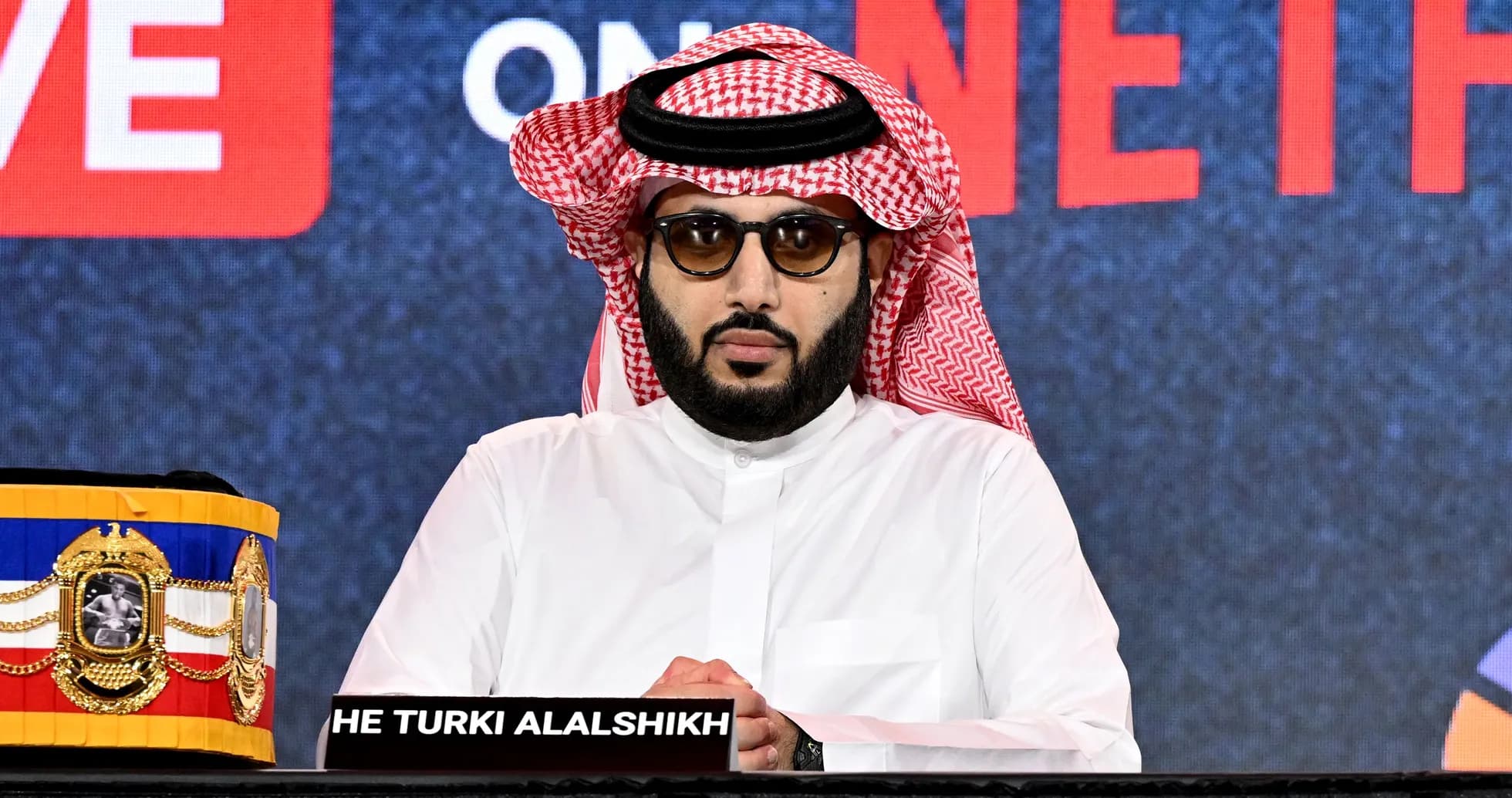
After months of negotiations and the clearing of key regulatory hurdles, the Rams have confirmed that the proposed sale to a consortium fronted by Saudi General Entertainment Authority chairman Turki Alalshikh has collapsed, leaving David Clowes and Clowes Developments in full control at Pride Park.
The club moved quickly to close the door on any fresh speculation. In a firm, unambiguous statement, Derby stressed that they are no longer for sale and will continue under the “loyal, committed and unwavering support” of Clowes Developments. Preparations, they insisted, roll on for the new EFL season, which begins against Charlton Athletic on Saturday. There will be no further comment.
So ends one of the summer’s more intriguing ownership sagas.
Timing kills the deal
Alalshikh, a major powerbroker in global sport and entertainment, responded almost immediately with his own explanation. The issue, he said, was not appetite or ambition. It was time.
“I would like to thank everyone at Derby County Football Club, and everyone involved in this process for all their hard work over the past few months,” his statement began. He acknowledged the length and importance of the IFR process, but pointed to the brutal reality of the football calendar.
“With the season already started,” he said, “it would leave us with no time to prepare the team or the club for the season ahead.”
That line is the crux. The regulatory green light came too late for Lion Sport to put its stamp on this campaign. No overhaul of the squad. No restructuring behind the scenes. No chance to implement what he called his “vision” in anything other than a rushed, reactive way.
“After careful consideration, we don't feel it is right to proceed at this time without the necessary preparation in place,” he added, while leaving the door ajar by confirming he would “remain in conversation with the club and see what is possible in the future.”
For now, though, Derby stays as it is. Clowes in charge. No new money. No new regime.
Another twist in Alalshikh’s search for an English club
The breakdown at Derby is the latest chapter in Alalshikh’s complicated pursuit of a foothold in English football.
He has already owned Pyramids FC in Egypt and Almeria in Spain, and has been linked at various points with Millwall, Southampton and Sheffield Wednesday. On paper, the resources are enormous: his wealth is estimated at around $2.8 billion. His influence in boxing and major events is already established.
Yet the leap from staging blockbuster nights to running an English club has proved anything but straightforward. Regulatory scrutiny, political sensitivities and public perception have all turned what might look like a simple investment into a long, fraught process.
Derby looked, for a time, like the opening he had been chasing. A historic club, a passionate fanbase, a modern stadium, and a recent history scarred by financial chaos that made outside investment attractive. The deal advanced far enough to clear the key checks. Then the clock beat it.
Derby turn back to the pitch
For Derby County, the collapse is both a blow and a line in the sand.
The prospect of Alalshikh’s backing promised global reach and a financial scale that could have reshaped the club’s trajectory. After a decade that has included administration, points deductions and a spell in League One, the lure of a heavyweight investor was obvious.
Yet Derby’s hierarchy has chosen clarity over limbo. By taking the club off the market, Clowes Developments remove the constant hum of takeover talk and the uncertainty that comes with it. No more shadow over every transfer, no more question marks over who will actually be signing the cheques.
The Rams now prepare for life back in the Championship leaning on something they have lacked for too long: stability. It may not be as glamorous as a marquee foreign investor, but after years of turbulence, it is a powerful asset.
The “for sale” sign at Pride Park has been taken down. The next question is whether this steady, locally anchored model can carry Derby from survival mode back to the sharp end of English football.





