Derby County Off the Market as Turki Alalshikh Withdraws
Derby County’s long, fraught wait for new ownership ended not with a handshake, but with a withdrawal.
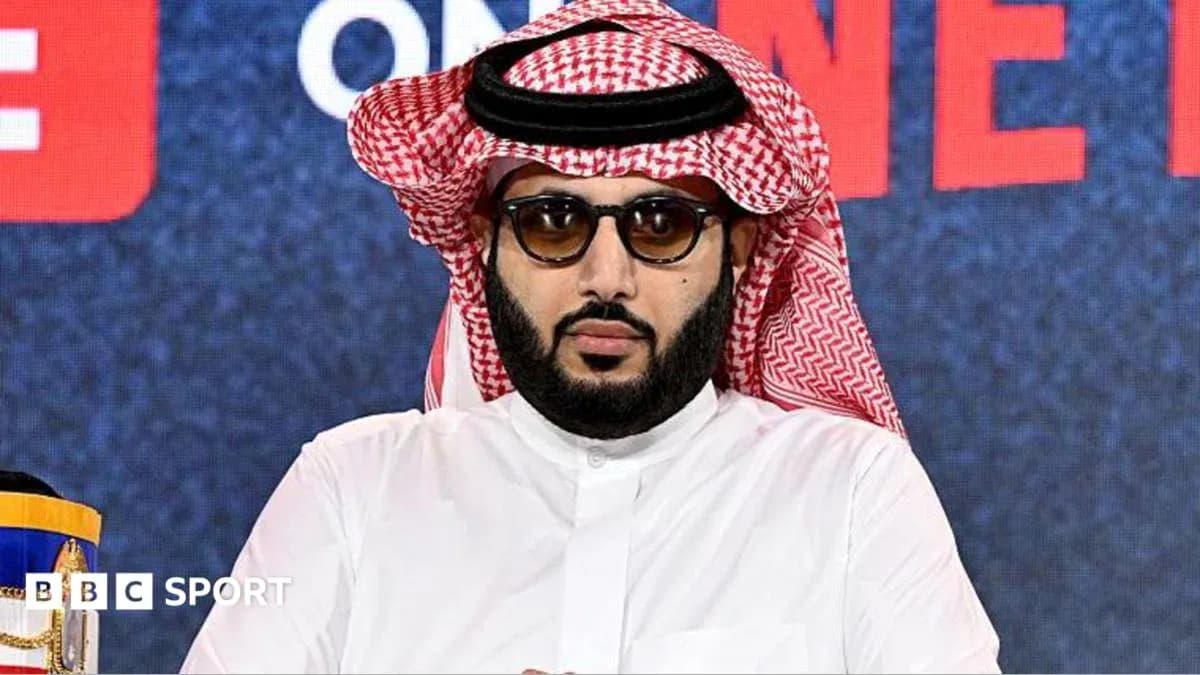
On Monday, Saudi Arabia government official Turki Alalshikh walked away from his proposed takeover of the club, abandoning a deal that had already cleared key regulatory hurdles and was expected to hand him a controlling stake at Pride Park.
Just as Derby were bracing for a new era, the plug was pulled.
Deal cleared – then collapsed
Alalshikh’s company, Lion Sport, had seen its bid sanctioned by both the English Football League (EFL) and the Independent Football Regulator (IFR). The structure was in place. The green lights were on.
Then came the message Derby did not expect: Alalshikh no longer wished to proceed.
“For the benefit of any doubt, the club is now off the market,” the club said. “It will continue to operate under the loyal, committed and unwavering support of Clowes Developments.”
In other words, the current owners stay. The much-discussed Saudi-backed future is shelved.
Timing kills the move
Alalshikh, posting on X, thanked those at Derby County involved in the talks, but pointed the finger at time – or rather, the lack of it.
“We understood that the IFR process takes time and fully respect the importance of that,” he wrote.
“But unfortunately with the season already started, it would leave us with no time to prepare the team or the club for the season ahead.
“After careful consideration, we don't feel it is right to proceed at this time without the necessary preparation in place, but we will remain in conversation with the club and see what is possible in the future.”
The pressure of the calendar finally told. By the time the regulatory process neared completion, Alalshikh judged the window to reshape the club for the current campaign had effectively closed.
Regulator defends its role
The IFR, under scrutiny for the length and depth of its new powers, moved quickly to set out its side of the story.
An IFR spokesperson stressed that the body has a statutory duty to rigorously test any prospective owner of a club in the top five divisions of men’s football.
The assessment of Alalshikh’s bid, they said, was completed in 55 days – well inside the 90-day period allowed by law.
Crucially, the IFR had already taken a “minded-to decision” to approve the bid before the start of the 2026-27 season, and had communicated that stance to all parties last week.
The regulator underlined the breadth of its checks: financial soundness, sufficient resources, source of wealth, and “honesty and integrity” – including scrutiny of any criminal proceedings or convictions, civil actions and regulatory investigations.
The message was clear: the process did not stall. It ran its course. The decision to walk away came from the bidder.
Human rights concerns linger in the background
This was never a straightforward football deal. It was a test case.
The proposed takeover had already drawn sharp criticism from human rights campaigners. In June, Amnesty International described the investment as a “defining test” for the independent regulator.
Alalshikh, chairman of Saudi Arabia’s General Entertainment Authority and a close ally of the Kingdom’s de facto ruler Mohammed bin Salman, has been at the centre of accusations of “sportswashing” – using high-profile sports projects to soften global perceptions of Saudi Arabia’s human rights record.
Campaigners have repeatedly highlighted the country’s treatment of women, its use of the death penalty and its anti-LGBT stance, arguing that lavish investment in clubs and competitions is designed to distract from those issues.
Those concerns hovered over the Derby talks from the moment his name emerged.
A familiar figure in global football
Alalshikh is no stranger to football ownership. He owned Egyptian club Pyramids between 2018 and 2019, and more recently controlled Spanish side Almeria before selling the club to a Saudi investment group in May last year.
He is also the co-founder of boxing promotion company Zuffa, another sign of his growing influence across global sport.
For Derby, that influence will remain on the outside looking in. The club’s future, for now, lies with Clowes Developments, the group that stepped in to rescue the Rams from crisis and will continue to bankroll the project.
The conversations Alalshikh referenced “for the future” may yet resurface. But with the season already underway and the club officially off the market, Derby’s immediate path is set: stability over upheaval, local ownership over another leap into the geopolitical spotlight.