Cristiano Ronaldo's Emotional World Cup Farewell
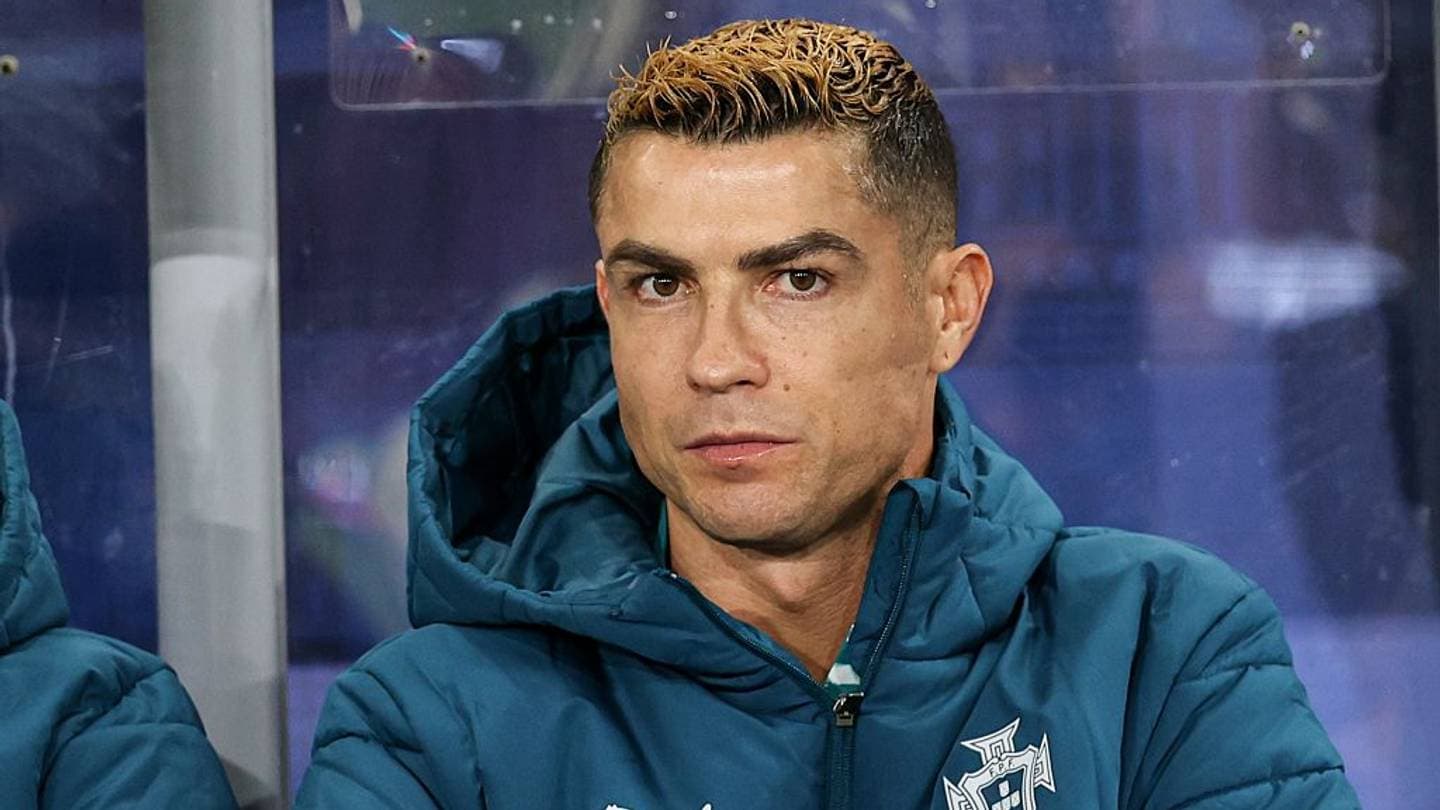
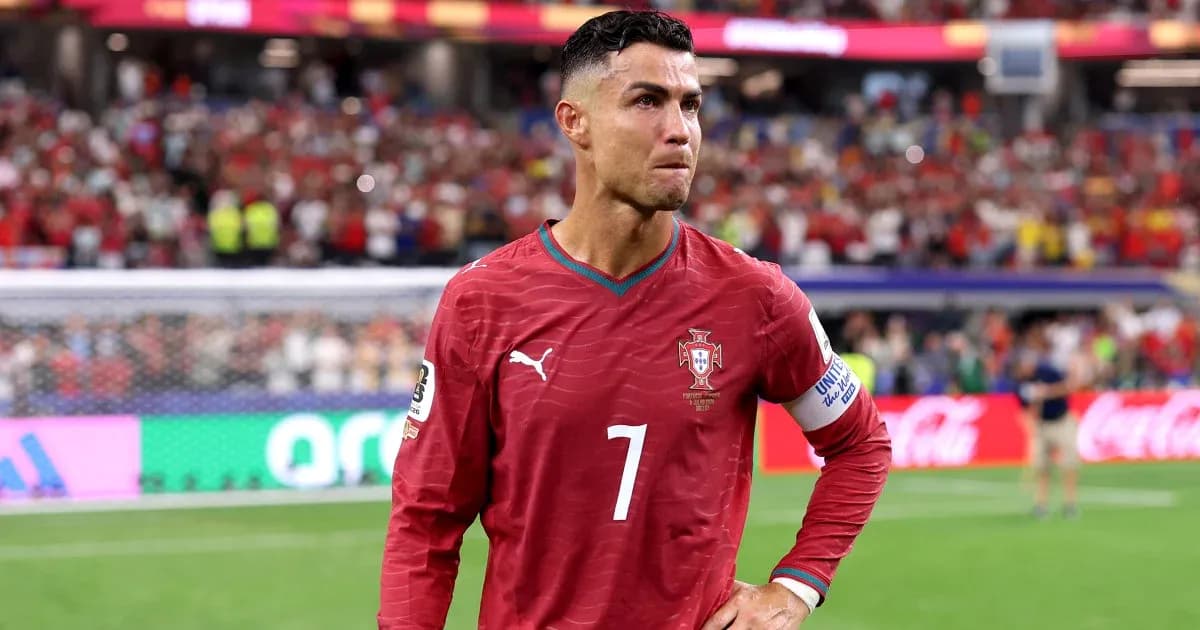
Cristiano Ronaldo walked down the tunnel with tears in his eyes, his World Cup story closing not with a flourish, but with a gut punch.
Portugal had just been knocked out in the round of 16, a 1-0 defeat to Spain settled deep into stoppage time by Mikel Merino. One more twist, one more late goal, and with it the end of Ronaldo’s sixth and final World Cup.
The 39-year-old stood in front of the microphones afterward, voice steady, eyes still wet. The emotion was raw, but the message was firm.
“It’s normal, sad, to leave the World Cup like this,” he said through an interpreter. “But, as I said yesterday at the press conference, I gave it my all, I gave my best. And I leave with a clear conscience.”
He didn’t try to dress it up. No World Cup trophy. Not even a final. For a player who has spent two decades bending the sport to his will, this is the one stage that never fully yielded.
The closest he came was the beginning, not the end. Germany 2006. A 21-year-old Ronaldo, still more prodigy than global icon, helping Portugal to the semifinals and a fourth-place finish. That run remains the high-water mark of his World Cup career.
Yet his numbers on this stage still belong in the company of the greats. Across six tournaments, Ronaldo scored 11 goals in 27 matches, an ever-present figure as World Cups changed eras around him. Only one other man has matched his six appearances: Lionel Messi, 39 years old himself, whose Argentina side plays on Tuesday.
The symmetry is striking. Two careers intertwined, two giants dragging their nations through tournament after tournament. Messi found his World Cup crown in Qatar. Ronaldo will leave this competition without one.
He has always had another answer, though: the European Championships.
There, Ronaldo built a different kind of legacy. Fourteen goals in 30 matches, and the night that changed everything for Portugal — Euro 2016. He went off injured in the final, but the image of him on the touchline, barking instructions and celebrating wildly at full-time, is etched into the country’s sporting history.
“Before Cristiano, Portugal hadn’t won any titles,” he said. It wasn’t arrogance. It was fact.
“The truth is that the biggest title I won with the national team was in 2016, which for me has the same significance as the World Cup, honestly.”
He returned to that word again: conscience.
“Therefore, I repeat, I leave with a clear conscience, having done my best, and that’s it. Tomorrow will be a new day, and life goes on.”
This was not a retirement speech from football, but it was a farewell to the World Cup. No caveats. No ambiguity. “It was my last World Cup, yes,” he admitted. What comes next, he insisted, would not be decided “in the heat of the moment.”
Ronaldo remains under contract with Al-Nassr in the Saudi Pro League for one more season, the club he has represented for the past four years. That deal could carry him into the final chapter of his club career, though whether this coming season will be his last has not been confirmed.
For now, the numbers and the narratives sit side by side. Six World Cups. Eleven goals. No final. One European crown that, in his mind, stands shoulder to shoulder with the trophy he never lifted.
He leaves the biggest stage without the one medal that always seemed destined for him, but with a country transformed in his wake. The World Cup door has closed. The question now is how — and where — he chooses to write his final lines.