Is Cristiano Ronaldo a Hindrance to Portugal's Progress?
Ronaldo’s Role in Portugal’s 2026 World Cup Campaign
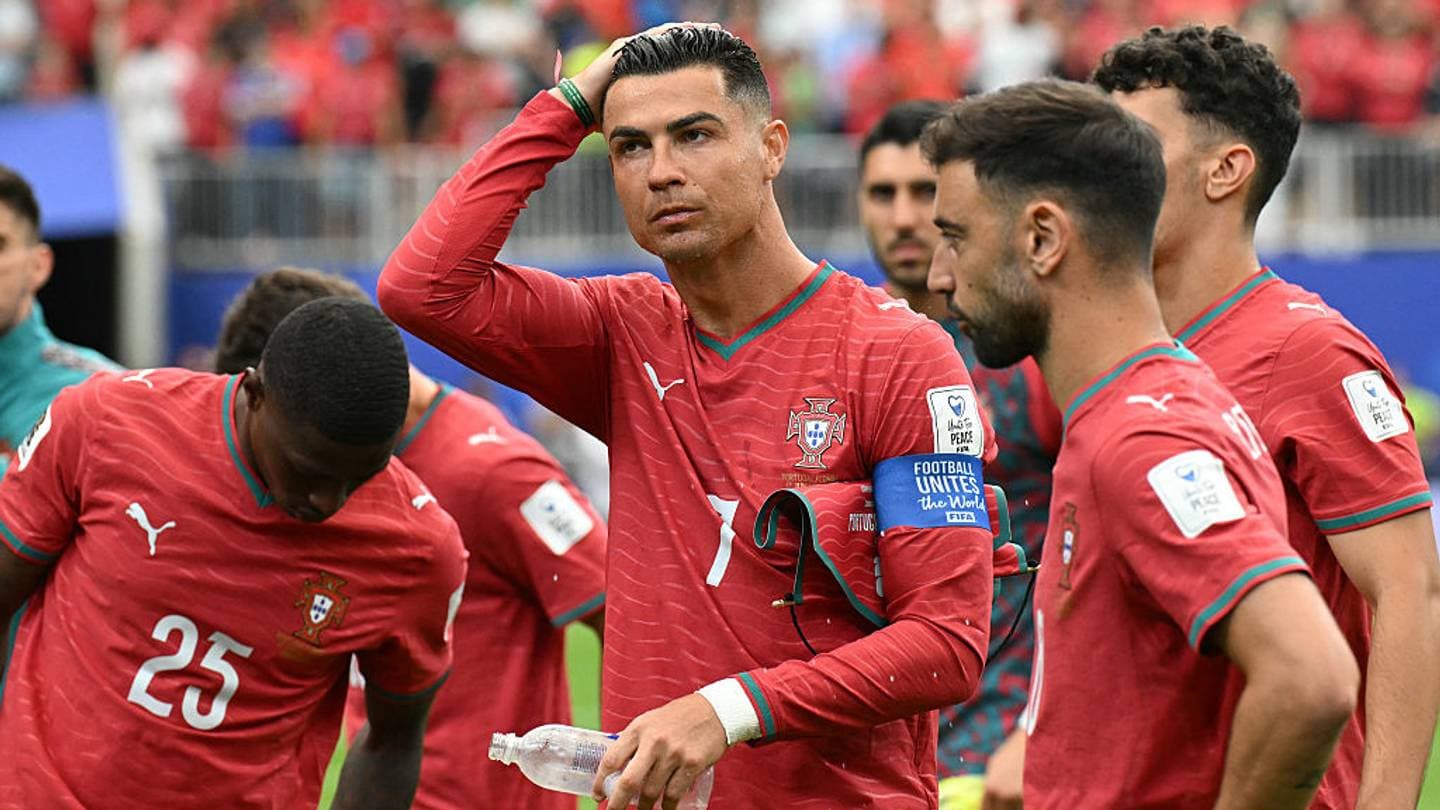
The five-time Ballon d’Or winner, Cristiano Ronaldo, appeared more like a bystander during Portugal’s underwhelming start at the 2026 World Cup. Despite his status, he remains a guaranteed starter for the national team.
Back in 2025, Ronaldo mentioned that winning the World Cup wasn’t a dream of his, nor would failing to do so define his legacy. That much holds true. Since beginning his career with Sporting CP in 2002, his influence on football has been monumental, rivaled only by the likes of Lionel Messi—much like the tennis rivalry between Roger Federer, Rafael Nadal, and Novak Djokovic.
His international trophy cabinet includes the UEFA Nations League and Portugal’s historic 2016 European Championship victory—an achievement neither of the country’s earlier golden generations managed.
Struggles in Qatar and Beyond
Watching Ronaldo during Portugal’s 1-1 draw against DR Congo was somewhat disheartening. At 41 years old, he played every minute but barely made an impact: 25 touches, no shots in the first 67 minutes, and three off-target attempts later. His best chance was a poorly struck shot that perhaps should have been passed to Bruno Fernandes instead.
This pattern isn’t new. Ronaldo’s effectiveness at major tournaments has been declining for some time. While Messi scored 16 goals in 27 World Cup matches since 2006, Ronaldo has netted only eight in 24. He hasn’t scored in ten consecutive major tournament games (World Cup and European Championship combined), with his last tournament goal coming against Ghana in the 2022 World Cup opener.
Though he revived his scoring during Euro 2024 qualifiers and the Nations League, his tournament performances remain muted. If Ronaldo isn't scoring now, his contribution seems limited; he no longer offers the explosive presence that once defined his play.
The Impact of Playing in Saudi Arabia
Since joining Al Nassr in early 2023, Ronaldo’s impressive goal tally—50 goals in all competitions during 2023-24 and 28 league goals in 2025-26—might inflate perceptions of his current level. The Saudi Pro League doesn’t match the intensity or quality of Europe’s top leagues, which could be affecting his readiness for the world’s biggest stage.
DR Congo, despite their long World Cup absence, fielded players active in Europe’s top five leagues, marking a significant defensive challenge for Ronaldo. His movement no longer threatens defenses as it once did, and the support from teammates like Bruno Fernandes, Bernardo Silva, Vitinha, and João Neves often failed to provide the service he needed.
Portugal’s Future Without Ronaldo?
Deciding to bench Ronaldo would be difficult. Coach Fernando Santos tried this in 2022, but it didn’t last. Sometimes tough choices are necessary—Spain famously dropped Raúl after a poor tournament run in 2006. With manager Roberto Martínez stepping down after this World Cup, he might feel free to experiment without fear.
Portugal lacks many striking options. Gonçalo Ramos, the 24-year-old who outscored Ronaldo at the last World Cup, is the only other natural striker taken to the tournament. However, Ramos has mostly served as a backup at Paris Saint-Germain and saw limited action at Euro 2024.
Ramos might flourish in a system that emphasizes fluidity and positional rotation, something Ronaldo cannot offer. Alternatives like Bernardo Silva, João Félix, or Rafael Leão could also fill a false nine role, allowing midfielders and wingers more freedom to attack.
Portugal faces Uzbekistan next, a match expected to secure progression to the knockout phase before facing Colombia. Yet with Ronaldo’s current form, it’s uncertain if their offensive output will improve.