
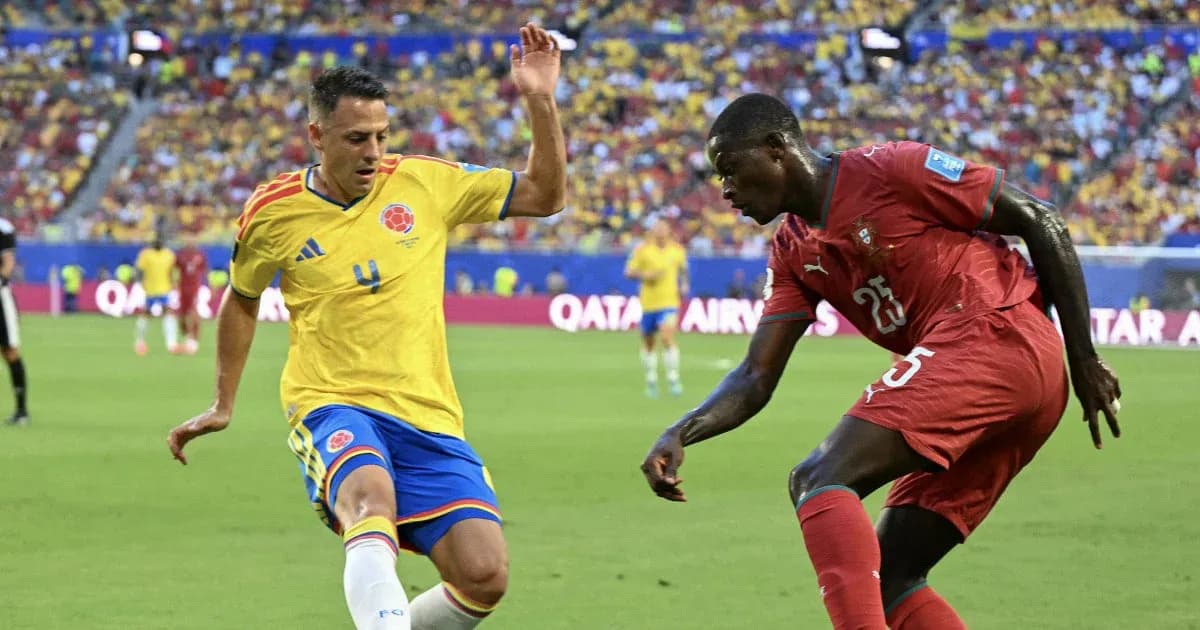
Colombia Triumphs Over Ghana in World Cup Round of 16
KANSAS CITY, Mo. — On a night when the heat wrapped itself around Arrowhead Stadium like a wet blanket, Colombia never broke stride.
Jhon Arias needed just 14 minutes to tilt this World Cup round-of-16 decider, darting to the near post to meet a vicious, low cross from Luis Suárez and flicking it beyond Lawrence Ati Zigi. One clean touch, one ruthless finish, and Los Cafeteros had all they required in a 1-0 win over Ghana that felt, for long stretches, far more one-sided than the scoreline.
Next stop: Vancouver. Switzerland await on Tuesday with a quarterfinal place on the line.
An early injury, an instant upgrade
The script seemed to wobble almost immediately. Colombia forward Jhon Córdoba pulled up in the opening minutes, clutching his groin and grimacing, and Néstor Lorenzo had a decision to make. He turned to Suárez — the Sporting CP livewire, not the Inter Miami icon — far earlier than planned.
It looked like a setback. It became an upgrade.
Suárez slotted in and instantly sharpened Colombia’s edge. In the 14th minute, Daniel Muñoz slipped a ball into his path on the right. One glance, one whip across the face of goal, and Arias was there, ghosting between defenders to steer it past Ati Zigi. Colombia were in front and, in truth, rarely looked back.
Ghana never truly recovered from that early blow. The Black Stars came in knowing they would be second best on the ball. Colombia made sure of it.
Heat, pressure, and a yellow tide
The conditions were brutal. Kickoff at 8:30 p.m. brought no real relief: 88 degrees Fahrenheit, heat index at 96, humidity sitting on the pitch like fog. Hydration breaks, so often a talking point, turned into survival stops as players stretched out cramping legs and doused themselves in water.
If anyone was suffering, it didn’t show in the stands.
Arrowhead, usually a sea of red for the NFL’s Chiefs, transformed into a cauldron of yellow hours before a ball was kicked. The band of permanent yellow seats was swallowed by tens of thousands of Colombia shirts, flags, and drums. Every touch, every tackle, every sprint from a player in yellow drew a roar that felt more like Bogotá than the American Midwest.
Colombia arrived with the swagger to match. They had cruised through the group stage, conceding just once in wins over Uzbekistan and Congo and a draw with Portugal. Their form had been so convincing that Spain coach Luis de la Fuente had already called them “a candidate to win the World Cup.”
On this evidence, it was not an outlandish claim.
Ghana’s resistance, Colombia’s control
Ghana’s story at this tournament had been one of defiance. A team that failed to qualify for the Africa Cup of Nations last year for the first time in nearly 20 years had clawed its way out of a group topped by England and Croatia. They had already quieted plenty of doubters just by reaching this stage.
But against Colombia, the old question resurfaced: where would the goals come from?
The numbers from the group phase painted a worrying picture. Ghana had averaged just 36.1% possession, second-lowest among teams that advanced. Those issues did not vanish under the Kansas City lights. Colombia squeezed the midfield, hunted in packs, and broke with the kind of pace that makes defenders turn and pray.
Suárez and Luis Díaz stretched the game relentlessly, their runs forcing Ghana’s back line to retreat, then retreat again. When Ghana did venture forward, Colombia snapped into transition, surging through the middle with their midfielders joining the rush. The Black Stars managed eight shots. Not one of them troubled the goalkeeper.
At the other end, Ati Zigi was the only reason the contest remained alive.
The Ghana keeper produced seven saves, several of them outstanding, to keep Colombia within reach. He denied Díaz from point-blank range in the second half, spreading himself wide as the forward tried to ram the ball past him. Earlier, he’d been spared by the offside flag when Díaz found the net in the 56th minute, a finish chalked off after the assistant’s flag cut short Colombian celebrations.
Each stop from Ati Zigi felt like a reprieve, not a turning point. Ghana hung on, but they never truly swung back.
A contender’s stride
Colombia did not overwhelm the scoreboard. They didn’t need to. What they showed was something more ominous for the rest of the field: control, composure, and a clear identity in the harshest conditions.
They managed the tempo, dictated the rhythm, and turned a knockout match into something that looked, at times, like a training-ground exercise in game management. When the legs tired, the structure held. When Ghana pushed, Colombia stepped in front, intercepted, and broke away again.
By the final whistle, the question wasn’t whether Colombia deserved to go through. It was how far this version of Los Cafeteros can run in a tournament where they have already been tipped by rivals as genuine contenders.
On Tuesday in Vancouver, Switzerland will try to provide an answer.





