Club America Dominates Puebla in Liga MX Clash
Under the Mexico City lights at Estadio Banorte, Club America’s 2–0 win over Puebla felt less like a single result and more like a confirmation of a new seasonal order. In the Apertura – 6 round of Liga MX, the league leaders played exactly like a side that sits first with 16 points and a goal difference of +10 overall, while Puebla’s promise flickered without ever truly threatening to catch fire.
This was a clash between two teams sharing a nominal shape but living very different tactical realities. Both lined up in a 4-2-3-1, yet only one side looked fully at home in it.
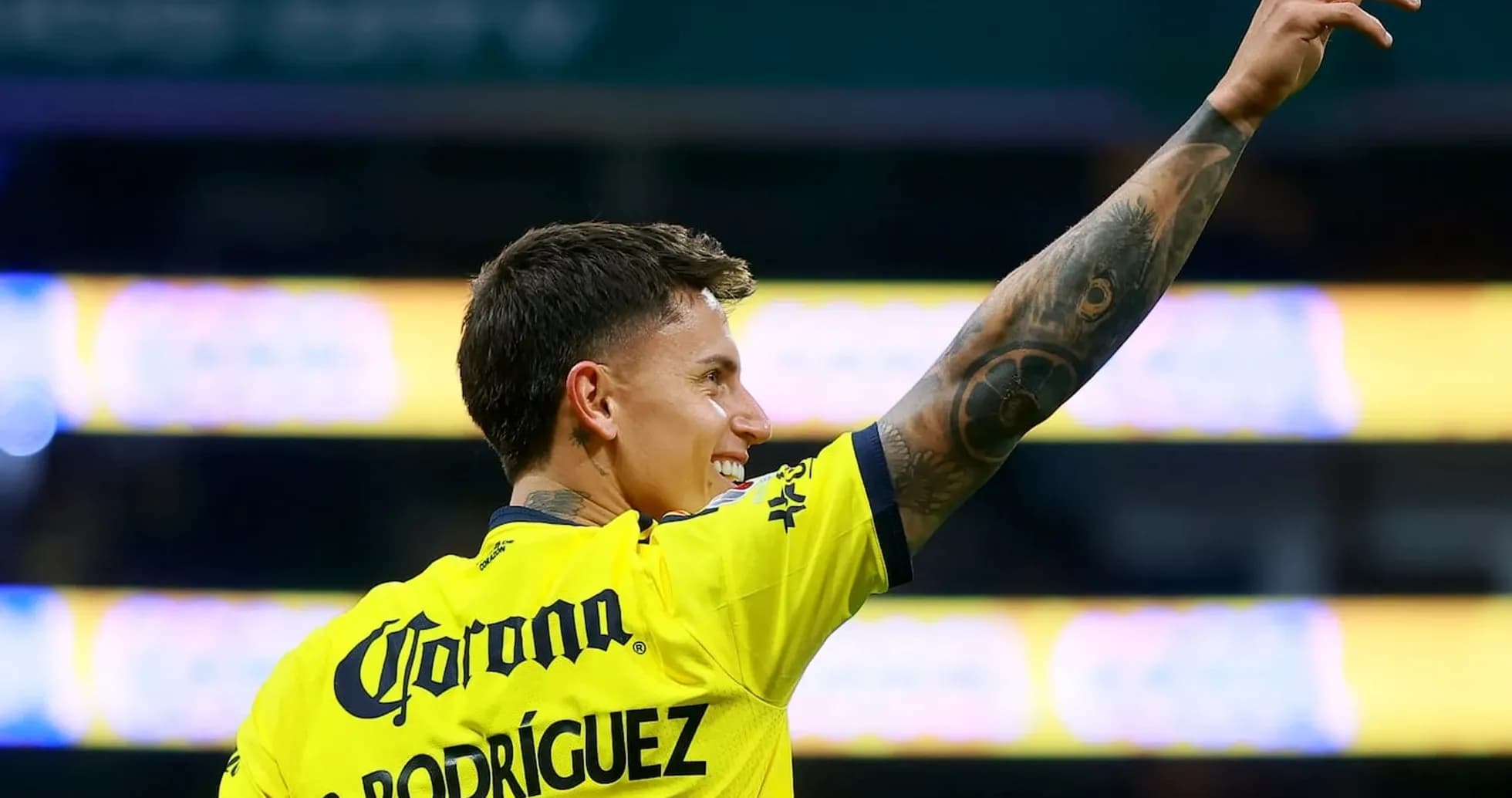
For Club America, Guillermo Almada Alves Jorge doubled down on continuity. The back four of D. Espinoza, M. Vazquez, R. Juarez and E. Lara in front of goalkeeper F. Tapia has underpinned a defensive record that is bordering on ruthless. Heading into this game, America had not conceded at home in the league: 0 goals against at home from 3 matches, with 3 clean sheets. That platform allowed the double pivot of E. Cerrillo and Icaro to play on the front foot, stepping into midfield traps rather than simply screening.
Ahead of them, the trio of D. Arriaga, A. H. Gutierrez Torres and O. Perea worked more like a rotating carousel than fixed positions, constantly changing reference points for Puebla’s holding pair. A. Cardenas, the lone striker, stretched the back line vertically, leaving spaces for late runs from midfield.
On the bench, the presence of H. Martin and Raphael Veiga underlined the depth that explains America’s unbeaten start. Martin arrives as one of the league’s joint top scorers with 3 goals in total, plus 1 assist, and a penalty record marked by both courage and fallibility: 1 penalty scored and 1 missed overall. Veiga, meanwhile, is the creative metronome of this squad, with 2 assists and 1 goal overall, 16 key passes and 86% passing accuracy. When those two are options rather than necessities, it speaks volumes about the squad’s ceiling.
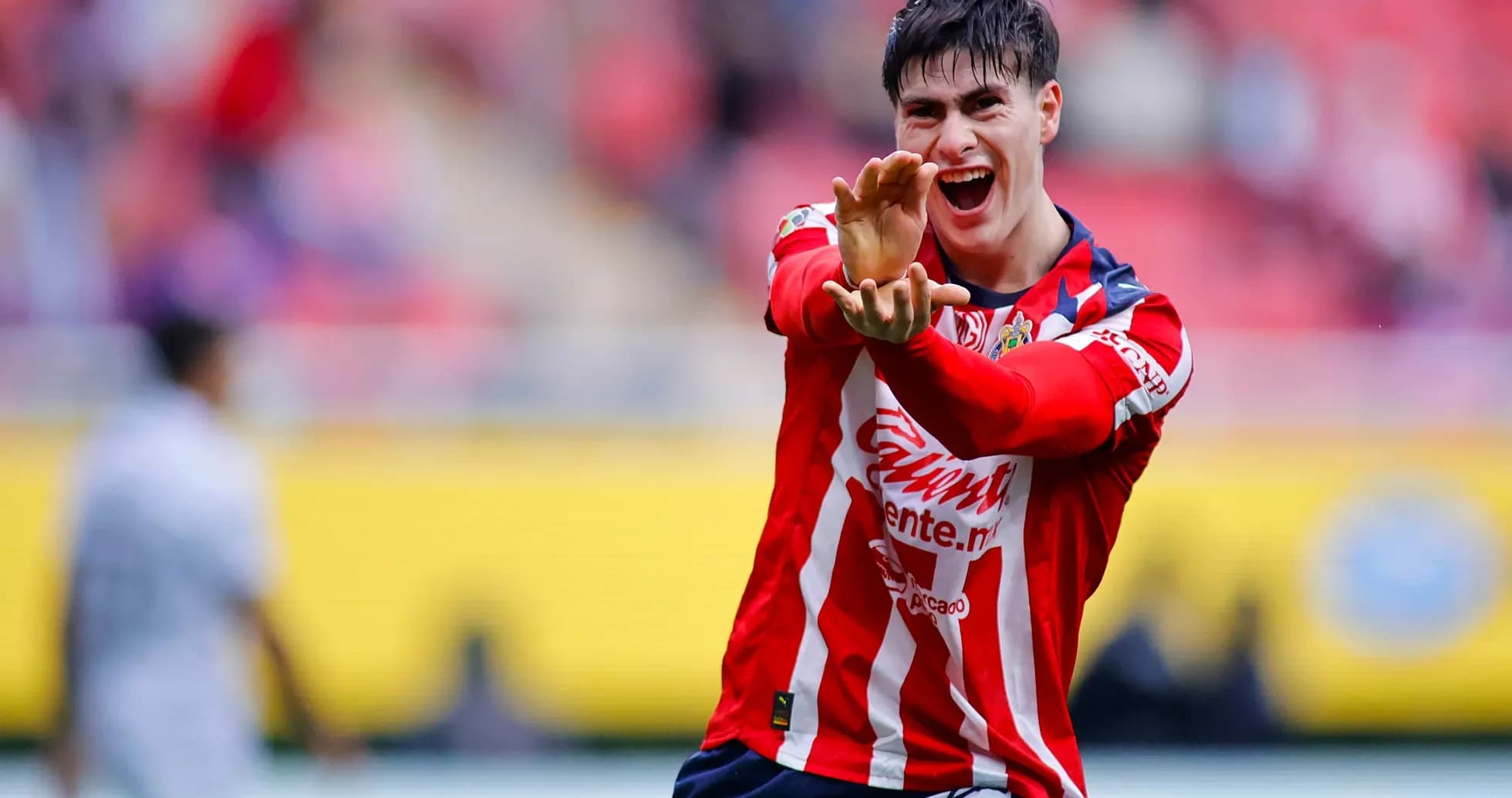
Puebla, under Gerardo Espinoza, mirrored the 4-2-3-1 but never matched its fluidity. D. Gutierrez in goal sat behind a back four of I. Moreno, F. Almada, J. Vargas and F. Monarrez. Moreno’s presence is always double-edged: a dynamic full-back capable of 6 successful dribbles from 8 attempts this season, but also the only player in the league data here with a straight red card to his name. That dismissal – Puebla’s lone red, coming in the 61–75 minute window where 100.00% of their reds occur – has already shaped their disciplinary narrative.
In front of the defence, A. Organista and A. Ramirez were tasked with both resisting America’s pressure and linking to a line of three: B. Garnica, K. Velasco and C. Baltazar, supporting young finisher E. Mustre. Mustre is Puebla’s cutting edge and one of Liga MX’s breakout stories: 3 goals and 1 assist overall from just 6 shots on target, plus 4 key passes. Yet here he was often isolated, starved of the quick central combinations that usually bring him into the box in stride.
The standings context sharpened the contrast. Overall, Club America arrived with 5 wins and 1 draw from 6, scoring 12 and conceding just 2. Puebla, eighth with 10 points, had 3 wins, 1 draw and 2 defeats, scoring 9 and conceding 9 overall. The symmetry of Puebla’s goals for and against – a goal difference of 0 – is reflected in their game patterns: dangerous going forward but perpetually open.
That openness is written into their timing data. On their travels, Puebla concede evenly but painfully late: 25.00% of their goals against arrive between 76–90 minutes, part of a broader pattern where 75.00% of their concessions fall from 31–90 minutes. Offensively, they start fast, with 30.00% of their goals scored in the first 15 minutes and another 30.00% from 16–30. The script is clear: they punch early, fade late.
Against the league’s most secure home defence, that script was always going to be dangerous. America’s overall goals against average of 0.3 per match, and 0.0 at home, meant Puebla’s early surges had to be brutally efficient. Once the first wave passed without reward, the match tilted.
In the “Hunter vs Shield” duel, it was America’s defence that defined the night. Tapia, protected by a line where Espinoza in particular has been outstanding, extended the home clean sheet streak to 4 in total this season. Espinoza’s season numbers – 14 tackles, 3 blocked shots, 8 interceptions – show why he is not just a full-back but a defensive organiser. He rarely needs to dive in because his positioning denies the pass before it is played.
On the other side, Mustre’s threat was blunted by America’s structure. Cerrillo and Icaro sat tight between the lines, forcing Puebla’s creator types – Garnica and Velasco – into wider, less dangerous zones. Without quick central combinations, Mustre’s duels (46 overall, with only 13 won) remained mostly in congested traffic rather than clean breaks.
The “Engine Room” battle was just as decisive. America’s ability to later introduce Veiga from the bench (or rotate him into the starting eleven in other matches) gives them a second phase of control. With 178 passes and 16 key passes overall, he changes tempo and angle in a way Puebla could not match. Puebla’s answer, A. Herrera, has 2 assists in only 146 minutes and offers vertical passing and aggression, but he began this one among the substitutes. When he did appear, he was asked to chase a game that was already slipping away.
Discipline added another layer. America’s yellow card profile is spread, but with a noticeable 30.00% spike between 61–75 minutes, they tend to absorb pressure with controlled fouls rather than panic. Their single red this season came late (76–90), a reminder that their aggression can occasionally boil over, but here they navigated the contest cleanly. Puebla, by contrast, bunch their yellows and their solitary red into the final third of matches, a sign of fatigue and frustration. In a fixture where they were chasing a superior opponent, that risk always loomed.
From a statistical prognosis standpoint, the result tracks almost perfectly with the underlying trends. America’s attack at home averages 2.7 goals per match, while Puebla concede 1.5 goals per match overall. A two-goal margin at Estadio Banorte sits squarely in that intersection. Defensively, America’s home record – 0 goals conceded in 3 matches heading into this – made a Puebla breakthrough unlikely unless Mustre or a substitute found something extraordinary.
Even set-piece psychology leaned America’s way. Their overall penalty record of 2 taken, 1 scored and 1 missed shows a willingness to step up in big moments despite imperfection. Puebla, perfect from the spot with 1 scored from 1, rarely reach the box often enough to generate multiple such chances, especially away against this level of defensive structure.
Following this result, Club America do not just sit atop Liga MX; they embody the league’s current standard: a side that can rotate between 4-2-3-1 and 4-4-2, dominate at home, and close out games without drama. Puebla remain a compelling, flawed contender – capable of bursts of attacking quality through Mustre and Herrera, but still searching for the defensive and emotional control needed to live comfortably among the elite.
On this night in Mexico City, the table did not lie. The leaders played like leaders, and the numbers, from clean sheets to card timing, simply told the same story in a different language.