Chelsea's Struggles: A Warning from Ruud Gullit
Ruud Gullit has seen enough. From a distance, one of Chelsea’s great modern architects looks at Stamford Bridge and sees a club that once set the pace now scrambling to keep up.
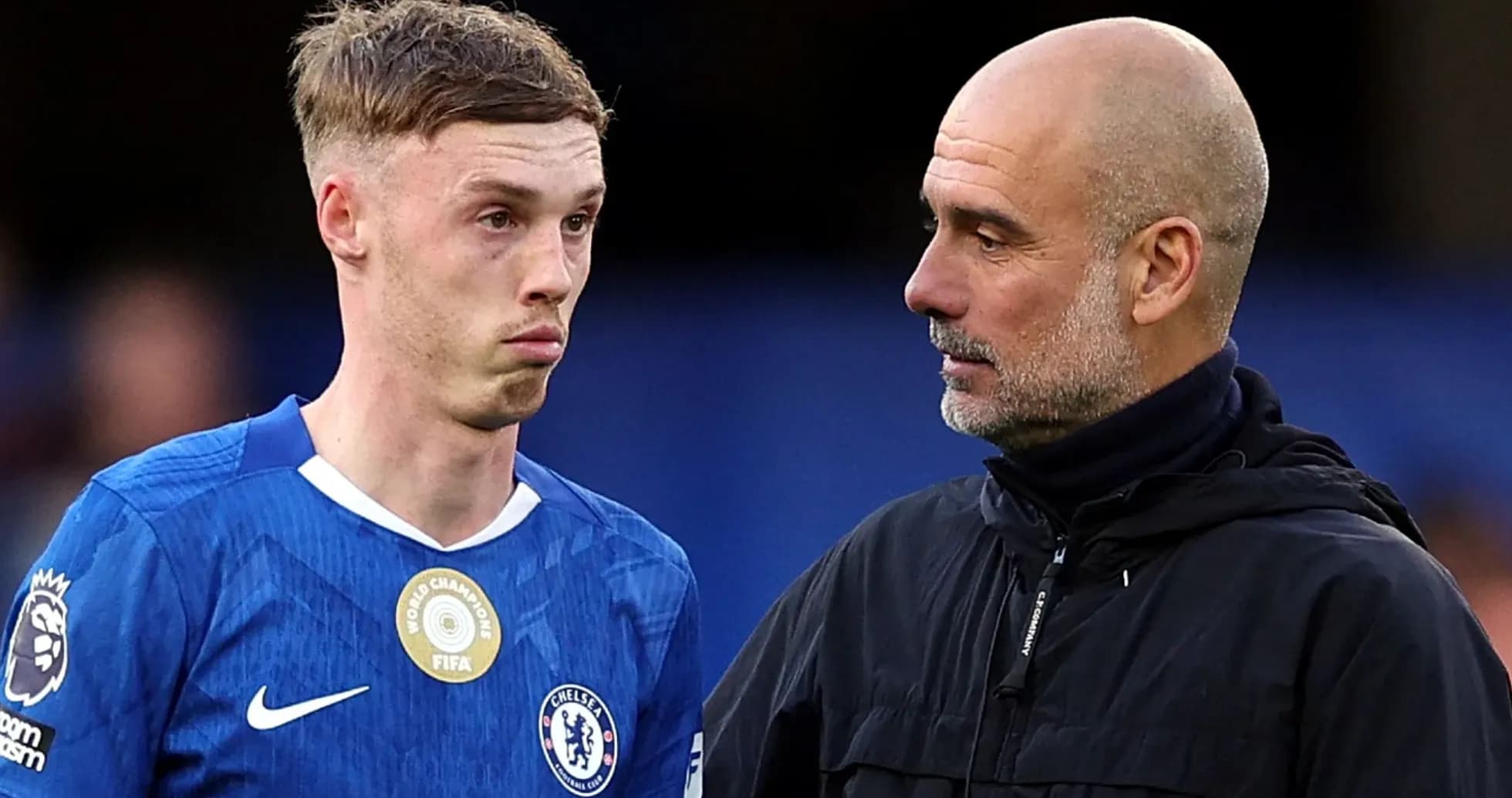
Twelve months ago, Chelsea were parading the UEFA Europa Conference League and the FIFA Club World Cup, with Champions League football secured and talk of a new era taking shape. Today, they are ninth in the Premier League, staring at the very real prospect of a season without any European football at all.
For a club that built its identity on dining at the top table, this is a jarring comedown.
A club spending big, thinking small
The money has not stopped. Chelsea’s owners continue to invest heavily, but the strategy has become the story. Potential over pedigree. Prospects over proven winners. A squad stacked with talent, yet light on the kind of hardened, battle-tested professionals who steady a dressing room when the pressure closes in.
Inconsistency has become the soundtrack at the Bridge. Enzo Maresca came and went. Liam Rosenior followed and also fell. Now Calum McFarlane, a caretaker in name and reality, holds the reins. He has done what few expected: guided Chelsea to an FA Cup final.
That Wembley date with Manchester City on May 16 offers more than just a shot at silverware. Win, and Chelsea claim a Europa League place for 2026-27. Lose, and the season’s thin veneer of respectability starts to peel away again.
Even victory, though, will not quiet every doubt.
Gullit’s warning
Gullit, the man who led Chelsea to FA Cup glory in 1997 as a player-manager, does not sugar-coat the situation. Speaking to GOAL, he laid out exactly why the job has lost some of its shine for the game’s elite coaches.
“Yes, because any manager would see what I see and say: ‘I need experienced players. I need a Casemiro, a [Aurelien] Tchouameni. I need these types of players in midfield. I need this kind of experience alongside the young talent’. And if you don't have them, it's going to be a problem.”
That is the crux. Chelsea have assembled a gifted, youthful group, but the spine Gullit describes – the streetwise core that wins tight games and rides out storms – simply isn’t there in sufficient numbers.
Then comes the line that will resonate with every manager watching from afar.
“The only thing that is certain for a Chelsea manager is that he gets fired. That's the only certainty. And as a coach you have to learn to adapt to the club's philosophy. Does it match yours? And do you get the players you need to do what you want to do?”
The track record is brutal. Coaches arrive with big ideas and bigger reputations, then leave with a payout and a dented CV. Ambition is not the problem. Alignment is.
Gullit points to the example that towers over modern football.
“Pep Guardiola got all the players he wanted. That's why he's been successful. But if you told Pep, ‘Deal with what we give you’, he wouldn't come. Mourinho wouldn't come. Klopp wouldn't come. [Carlo] Ancelotti wouldn't come. These are people who know exactly what the right formula is.”
The message is clear: the best managers do not just accept a project; they shape it. If Chelsea cannot or will not offer that level of control, they narrow their own field of candidates.
Big names, big questions
Cesc Fabregas, Xabi Alonso, Andoni Iraola, Marco Silva. Each has been linked, each brings a distinct identity and rising reputation. On paper, all are intriguing fits.
But the question hangs over every conversation: is Chelsea still an attractive proposition for the very top coaches?
Any new manager would inherit a restless club, an impatient ownership, a squad still searching for balance and leadership, and a fanbase tired of transition. The upside is obvious – resources, history, London, a stadium that still crackles when it believes – but the margin for error is shrinking fast.
A season on a knife-edge
There are still games to play before the inquest truly begins. Chelsea snapped a six-game Premier League losing streak with a 1-1 draw against Liverpool, a small but necessary step away from the abyss.
After the FA Cup final, Tottenham – fighting for their lives at the wrong end of the table – come to Stamford Bridge. Then a final-day trip to Sunderland awaits. On paper, there is still a route into the top seven. In reality, the odds are long, and everyone inside the club knows it.
That makes this summer pivotal. Recruitment will be harder without the lure of Champions League nights or even Europa League guarantees. The next permanent manager will walk into a job where patience is thin, expectations remain high, and the seat under him is already warm.
Chelsea once sold themselves as the place where the best came to win. The next few weeks will tell us something more uncomfortable: are they still that club, or are they becoming the job even the elite quietly turn down?