AS Roma Edges Parma in Thrilling 3-2 Match
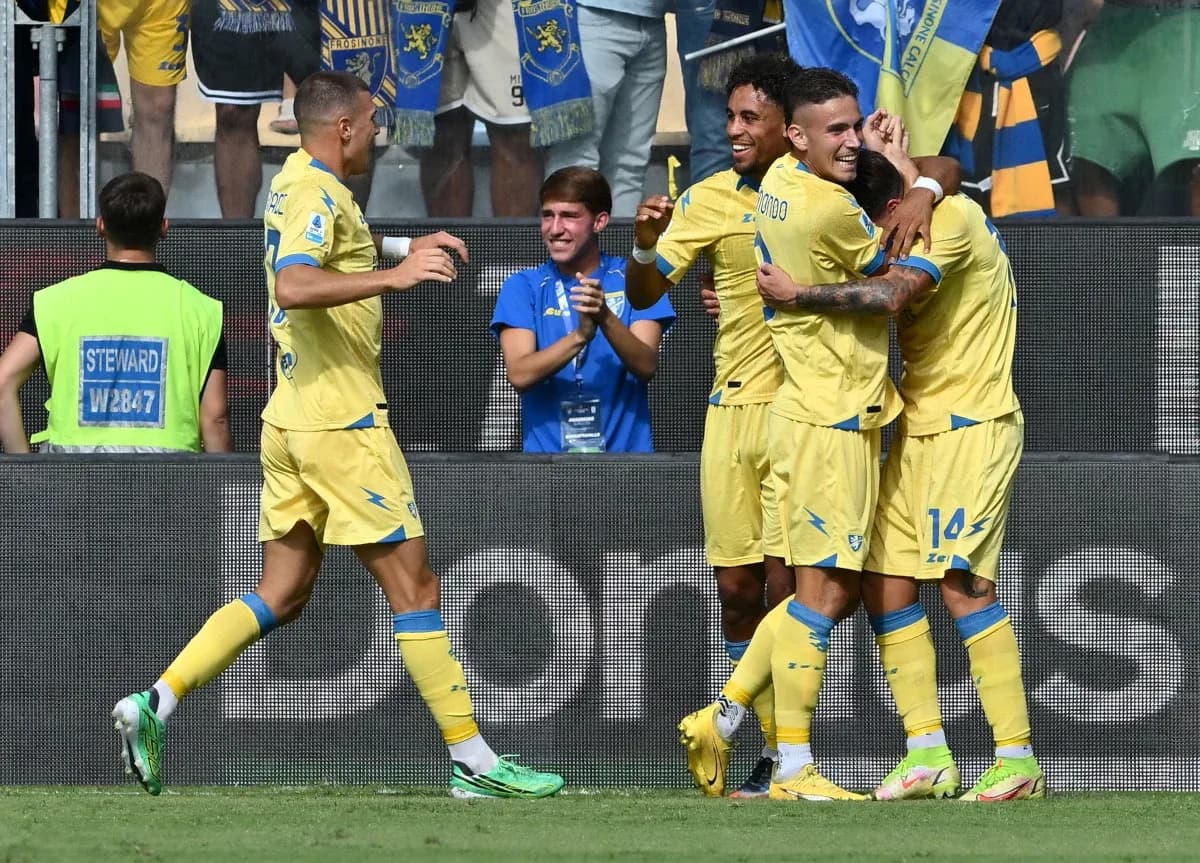
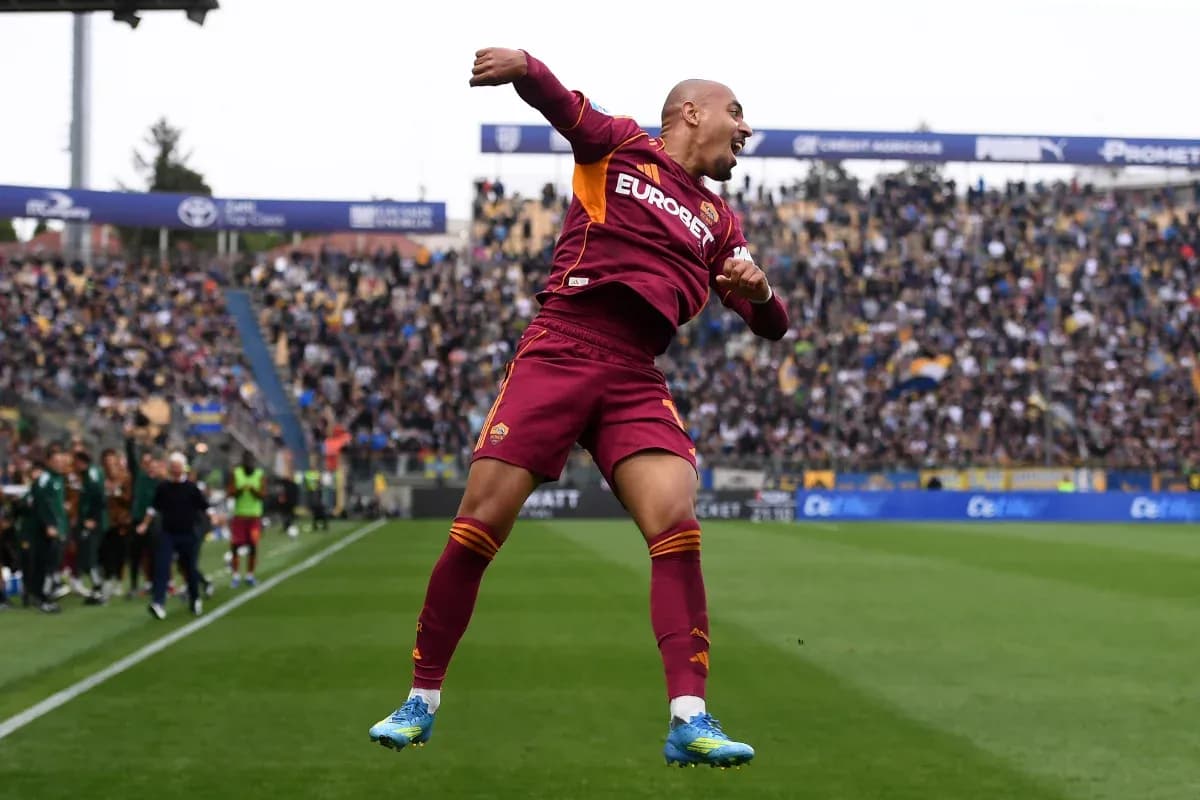
The lights are off at Stadio Ennio Tardini now, but the echo of a wild afternoon still hangs over Parma. In a five-goal thriller that felt nothing like a mid-table side hosting a Europa League contender, AS Roma edged a 3-2 win, preserving their push from 5th place while Parma, 13th in Serie A, were left with a familiar mix of courage and regret.
Following this result, the league table snapshot still tells a clear story of different worlds. Parma’s season has been defined by grind and survival: 36 matches played, 42 points, and a goal difference of -18, the product of 27 goals scored and 45 conceded overall. At home, they have been fragile, with 4 wins, 6 draws and 8 defeats, scoring 15 and conceding 25. Roma, by contrast, are built for the sharp end of the table: 21 wins from 36, 67 points, and a goal difference of 24, with 55 goals for and 31 against overall. Their away record, though, is more human – 9 wins, 1 draw and 8 losses on their travels, 24 scored and 21 conceded – and that vulnerability kept this contest alive right to the end.
Tactically, this was a meeting of two systems that know themselves well. Carlos Cuesta doubled down on Parma’s seasonal identity, rolling out the 3-5-2 that has been his most-used structure (17 league appearances in this shape). Z. Suzuki anchored a back three of A. Circati, M. Troilo and L. Valenti, with a broad five-man midfield screen: E. Valeri and E. Delprato as wing-backs, C. Ordonez, H. Nicolussi Caviglia and M. Keita inside. Up front, N. Elphege and G. Strefezza formed a mobile, pressing duo rather than a classic target man plus poacher pairing.
Across from them, Piero Gasperini Gian’s Roma arrived in their now-trademark 3-4-2-1, a system they have used 28 times this Serie A season. M. Svilar stood behind a defensive line of G. Mancini, E. Ndicka and M. Hermoso. Z. Celik and Wesley Franca patrolled the flanks, with B. Cristante and M. Kone in the engine room. Ahead, a dangerous trio of M. Soule, P. Dybala and D. Malen floated between the lines and behind Parma’s midfield, constantly asking questions of the hosts’ back three.
The absences set the emotional tone before a ball was kicked. Parma were stripped of creativity and depth: A. Bernabe (muscle injury), B. Cremaschi, M. Frigan and G. Oristanio (all knee injuries) were all listed as Missing Fixture. For a side that averages only 0.8 goals per game at home and 0.8 overall, losing attacking options hurt. It forced Cuesta to lean even more heavily on structure and collective effort.
Roma’s missing list was just as high-profile: A. Dovbyk (groin), E. Ferguson (ankle), L. Pellegrini (thigh) and B. Zaragoza (knee) all sidelined. The absence of L. Pellegrini in particular shifted creative responsibility squarely onto P. Dybala and M. Soule, while D. Malen became the undisputed spearhead.
That “Hunter vs Shield” duel defined the afternoon. Malen, one of Serie A’s deadliest forwards this season, came in with 13 goals and 2 assists in 16 league appearances, converting 45 total shots (28 on target) into a ruthless presence in the box. His penalty record – 3 scored from 3, no misses – underlined his composure. Parma’s “shield” was a collective rather than a single rock: a team that keeps clean sheets in 12 matches overall, but concedes 1.4 goals per game at home and 1.3 overall.
In the heart of that shield stood M. Troilo, a defender whose season has been as dramatic as this match. Across 19 appearances, Troilo has blocked 15 shots, made 15 interceptions and 23 tackles, but he also tops the league’s red-card charts, with 7 yellows, 1 yellow-red and 1 straight red. He is aggressive, proactive, and always on the edge. Against a forward like Malen, that volatility was both a weapon and a risk. Every time Malen ran at him, the duel felt like a coin toss between a vital intervention and a catastrophic foul.
Around them, the “Engine Room” battle was just as compelling. For Roma, M. Soule arrived as the league’s 11th-ranked provider, with 5 assists and 6 goals, plus 43 key passes and 91 attempted dribbles (33 successful). Operating as a roaming creator behind Malen, he is the hinge between midfield and attack. B. Cristante, with his 1553 passes at 86% accuracy and 50 tackles, provided the platform, screening transitions and recycling possession.
Parma’s counter to that axis came from H. Nicolussi Caviglia and M. Keita. Without Bernabe, Nicolussi Caviglia had to step into the dual role of tempo-setter and first presser, while Keita’s energy and C. Ordonez’s industry tried to disrupt Roma’s rhythm. But with Parma averaging only 0.7 away goals and 0.8 at home, their plan was always going to be based on narrow margins and set-piece moments rather than sustained pressure.
Discipline was a looming subplot. Heading into this game, Parma’s yellow-card timing showed a clear late-game spike: 21.88% of their yellows between 46-60 minutes and another 21.88% between 76-90, a pattern of fatigue and desperation. Their red-card distribution was just as telling, with 40.00% of reds in the 31-45 window and a further 20.00% each in 61-75, 76-90 and 91-105 – a side that can lose control as the pressure rises. Roma, too, carry an edge: G. Mancini has 9 yellows this season, and the team’s yellows cluster heavily between 46-60, 61-75 and 76-90 minutes, each band accounting for 23.08% of their cautions. Z. Celik’s presence in the top red-card list – 1 red alongside 2 yellows – added another volatile piece to the chessboard.
Over 90 minutes, that disciplinary profile mattered. The match’s rhythm followed the statistical script: Roma’s superior attacking quality, with 1.5 goals per game overall and 1.3 on their travels, gradually broke through a Parma side that concedes more than they score at home. Yet Parma’s resilience, backed by those 12 clean sheets overall and a tendency to scrap until the final whistle, kept the game alive, turning a 0-1 half-time scoreline into a tense 3-2 finale.
In a world of Expected Goals, even without explicit xG values the structural indicators are clear. Roma’s season-long shot and goal profile, powered by Malen’s 13 goals and Soule’s 5 assists and 6 goals, points to a side that regularly generates higher-quality chances than Parma, who have managed only 27 goals overall and fail to score in 15 matches. Defensively, Roma’s 31 goals conceded at 0.9 per game overall – just 0.6 at home and 1.2 away – speak to a unit that, while more open on their travels, is still significantly more solid than Parma’s back line.
Following this result, the tactical verdict is that the numbers and structures aligned. Roma’s 3-4-2-1, with Malen as the hunter and Soule as the creative blade, proved too sharp for a Parma side missing key attackers and leaning on a courageous but overstretched back three. Parma’s 3-5-2 carried them close, driven by work rate and moments of individual defiance from Troilo and the midfield, but the underlying balance of goals, discipline and quality tilted decisively towards the Giallorossi.