Chelsea Faces £10m Fine and Suspended Transfer Ban
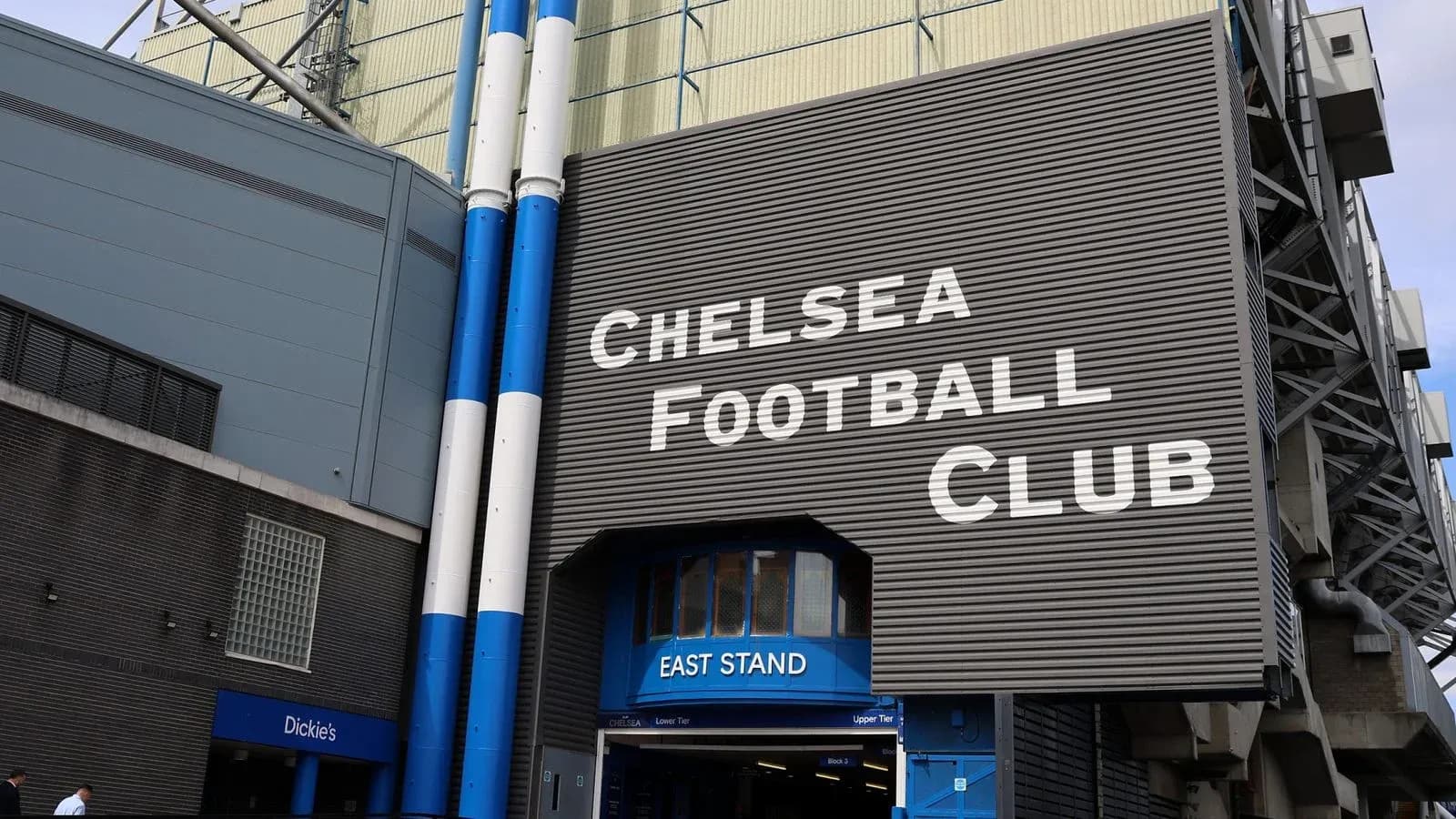
Chelsea have been hit with a £10m fine and a suspended two-window transfer ban after admitting to dozens of breaches of Football Association rules on agents and intermediaries.
An independent appeal board handed down the punishment, replacing an earlier sanction from a separate commission that had imposed a suspended six-point deduction. That points penalty has now been wiped away, with the threat of a transfer embargo hanging over the club instead.
From self-reporting to heavy sanction
The case traces back to May 2022, in the final days of Roman Abramovich’s ownership and the arrival of the Todd Boehly–Clearlake consortium. During the takeover process, Chelsea’s new owners uncovered historic issues and chose to self-report them to the football authorities.
That decision opened the door to a full-scale investigation. The FA confirmed on Friday that Chelsea admitted a total of 74 breaches of its regulations, covering the use of agents, dealings with intermediaries and third-party investment in players.
Transfers that drew scrutiny during the process are understood to include high-profile deals for Eden Hazard, Samuel Eto’o and Willian. There is no suggestion of wrongdoing by any of the players involved.
The appeal board’s ruling means Chelsea face a suspended transfer ban covering two windows. It will only be activated if the club commit further relevant breaches. The £10m fine imposed by the original Regulatory Commission remains intact and is ring-fenced for investment into grassroots football.
Abramovich era under the microscope
This latest ruling is the most recent chapter in a wider reckoning with the Abramovich years.
Earlier this year, the Premier League handed Chelsea its biggest ever fine and a one-year transfer ban, also suspended for two years. That £10.75m penalty related to secret payments to agents worth £47.5m between 2011 and 2018, along with breaches around the registration of youth players.
UEFA had already moved first. In July 2023, European football’s governing body fined Chelsea £8.64m (€10m) for incomplete financial reporting in 2018 and 2019. Investigators identified at least six suspect payments to offshore companies linked to transfers.
Across all three bodies – FA, Premier League and UEFA – the pattern is clear: historic financial practices under the previous ownership failed to meet the standards demanded of clubs at the elite level. Teams must provide accurate, transparent financial information every year to domestic and European regulators. Chelsea repeatedly fell short.
Chelsea’s stance: cooperation and closure
Throughout the process, the club have stressed that the breaches belong to a previous regime and that the current ownership has cooperated fully.
In a statement, Chelsea said they were “pleased to confirm that a final decision has been reached” by the FA’s judicial bodies over the “historical regulatory matters” they had self-reported. The club said it had worked “openly and transparently with all regulators,” voluntarily disclosing “many thousands of documents.”
Chelsea also underlined that they had already reached settlement agreements with UEFA and the Premier League over the same issues, and that the FA decision “brings all regulatory proceedings against the club to a close.” The statement ended with thanks to UEFA, the Premier League and the FA for their engagement throughout.
The message from Stamford Bridge is clear: draw a line under the past and move on.
The reality is more complicated. The books may be closed on the Abramovich-era investigations, but the consequences will echo through the Boehly–Clearlake project. A suspended transfer ban now sits alongside existing Premier League and UEFA sanctions, tightening the margin for error in a period when financial rules are already biting hard across the division.
For a club that has rebuilt its squad at breakneck speed and cost since 2022, the prospect of any future transfer embargo is no small deterrent. Chelsea have escaped a points deduction, but the warning is stark: any further misstep in the market could shut the door on recruitment just when they can least afford it.