Cavalry FC Aims to Maintain Unbeaten Streak Against Vancouver FC
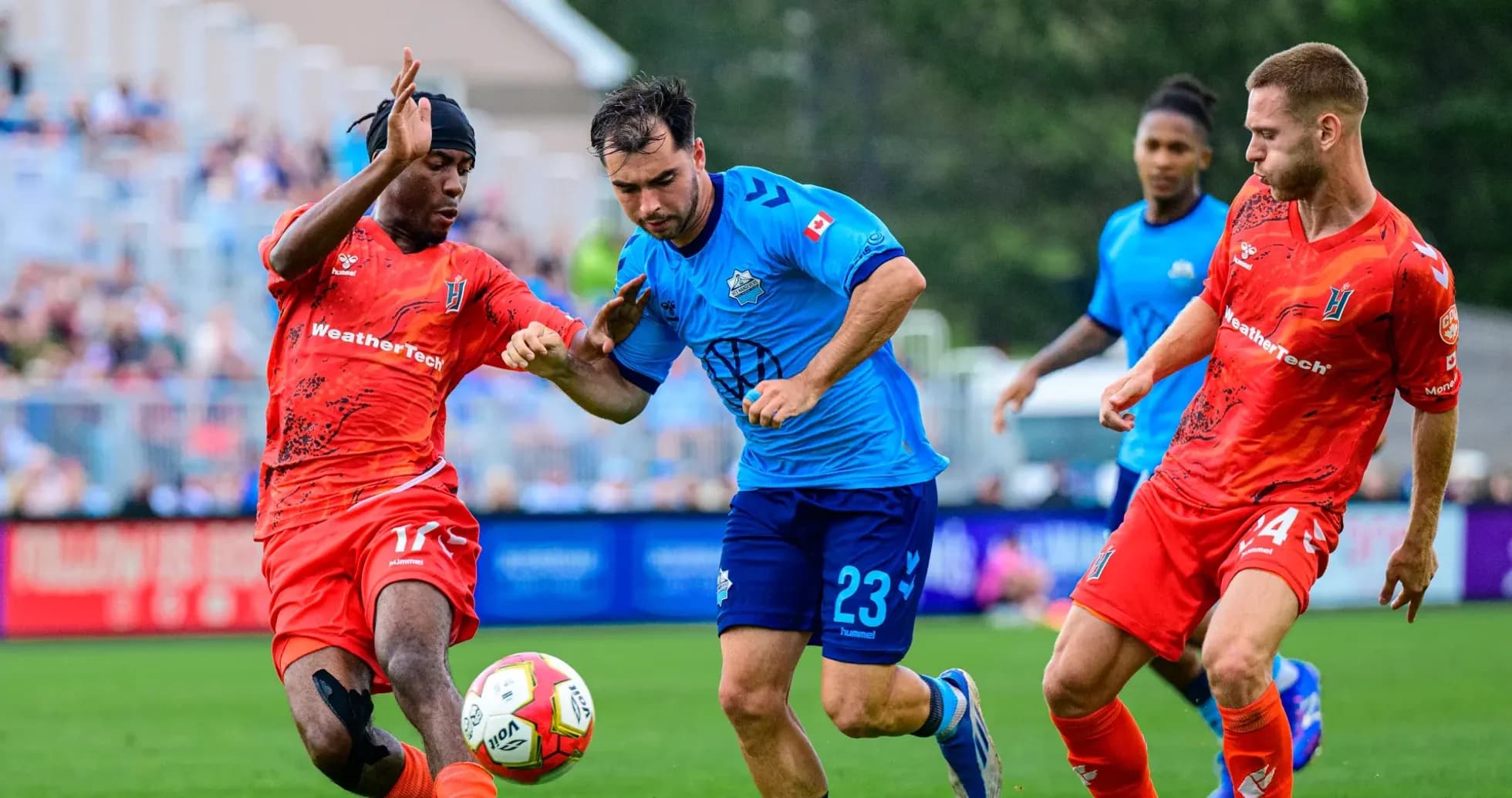
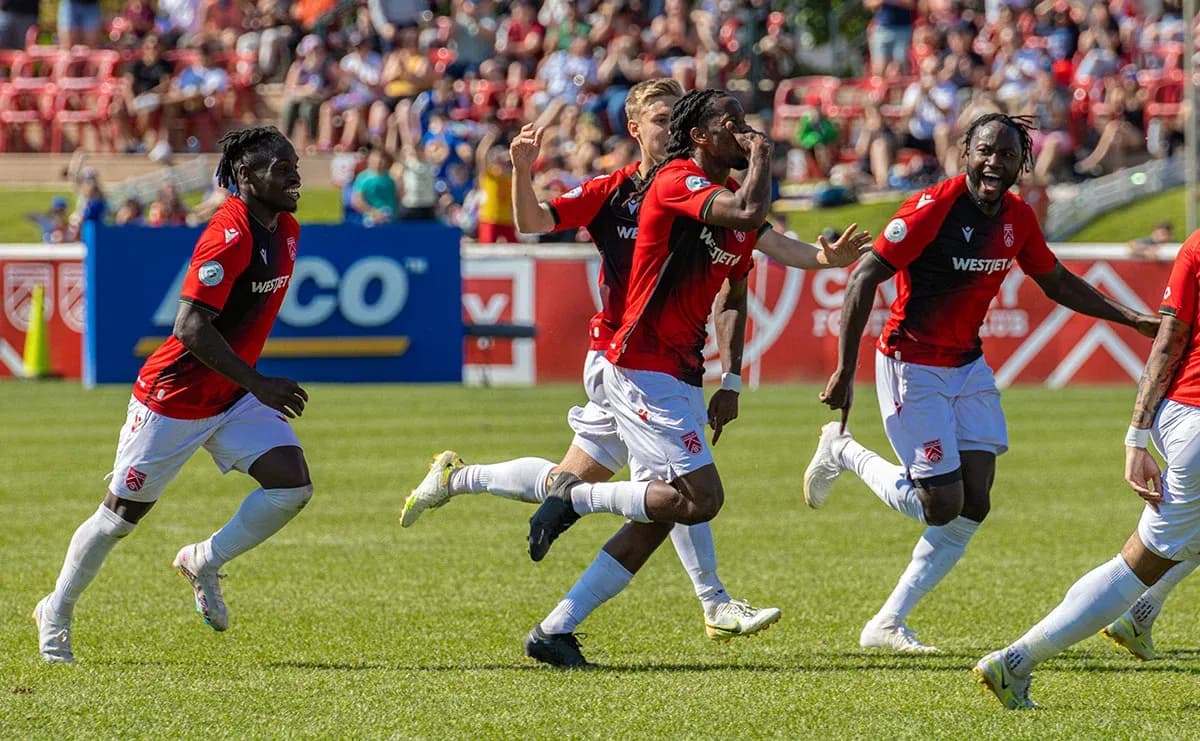
Willoughby Community Park Stadium stages a familiar rivalry in the Canadian Premier League on 18 May 2026, as Vancouver FC host Cavalry FC in a meeting between a side trying to climb away from the lower reaches and an early-season title contender. In the league, Vancouver sit 6th with 4 points from 5 matches, while Cavalry arrive in Langley in 2nd place on 11 points and still unbeaten.
Context and stakes
This is a group-stage fixture, but the dynamics already feel sharpened by recent history. Vancouver’s overall league record in 2026 is 1 win, 1 draw and 3 defeats across all phases, with a goal difference of -1 (4 scored, 5 conceded). At home, they have yet to take a point: 2 matches, 2 losses, 0 goals scored and 2 conceded.
Cavalry, by contrast, have started 2026 with the consistency of a side eyeing top spot. Across all phases they have 3 wins and 2 draws from 5, scoring 7 and conceding just 3. Away from home they have been especially efficient: 3 games, 2 wins, 1 draw, 3 goals scored and only 1 conceded.
For Vancouver, this is about halting a worrying home trend and proving they can live with one of the division’s most complete outfits. For Cavalry, it is an opportunity to consolidate a strong start and extend an unbeaten run against an opponent they have faced repeatedly over the last year in both league and cup.
Form and tactical tendencies
In the league, Vancouver’s form line reads “WDLLL”, but their broader season statistics show “LLLDW” across all phases – an indication that the early momentum has stalled. They have failed to score in 3 of their 5 matches and have yet to register a clean sheet. Their goals-for profile is starkly split: 4 goals away from home, none at Willoughby Community Park Stadium. The attack averages just 0.8 goals per game overall and 0.0 at home, while the defence concedes at a steady 1.0 per match.
The tactical data suggests a team still searching for an identity. Vancouver have used at least two different formations (4-3-3 and 4-4-2, one game each), and their “biggest” results underline the inconsistency: their standout win has come away (1-3), while their heaviest home loss is a narrow 0-1. They struggle to turn possession into penetration, and the “failed to score” metric (3 times in 5 games) is a clear warning sign.
Cavalry present a far more stable picture. Their form string “WWDDW” in 2026, combined with “WWDDW” in the statistics block, reflects an unbeaten start with a blend of control and resilience. They average 1.4 goals scored per game and just 0.6 conceded. Away from home they score at 1.0 per match and concede a miserly 0.3, with 2 clean sheets in 3 road fixtures.
Tactically, Cavalry have leaned heavily on a 4-2-3-1, used in 3 matches, which fits their balance between defensive solidity and attacking variety. Their “biggest wins” – 3-1 at home and 1-2 away – show they can open up games while maintaining structure. Importantly, they have not lost a match yet in 2026 across all phases.
Discipline-wise, both sides collect a steady spread of yellow cards through the 90 minutes, but neither has seen a red card this season, which points towards structured rather than reckless aggression.
Key players and match-ups
For Vancouver, the standout attacking reference is Mohamed Amissi. The 25-year-old attacker has 1 goal in 5 appearances, with 4 shots on target from 5 attempts and a respectable rating of 6.75. His dribbling numbers (6 attempts, 3 successful) and 3 key passes from 28 total show he is both a ball-carrier and a creative outlet. If Vancouver are to finally score at home, Amissi will likely be central, whether starting wide in a 4-3-3 or closer to goal in a 4-4-2.
Cavalry arrive with a deeper cast of in-form contributors. Midfielder Harrison Paton has been a driving force: 1 goal, 4 key passes, 121 completed passes at 85% accuracy, and 10 tackles underline his dual role as organiser and ball-winner. His 39 duels with 20 won show how often he is involved in the core battles.
At the back, Daan Klomp’s numbers are those of a high-level centre-back: 1 goal, 166 passes at 92% accuracy, 4 tackles, 1 block and 1 interception, with 11 of 15 duels won. His ability to play out under pressure could be decisive against a Vancouver side that may press high to disrupt Cavalry’s rhythm.
Up front, Tobias Warschewski offers a constant threat. He has 1 goal from 9 shots (6 on target) and 5 key passes, plus 9 fouls drawn, which indicates he both tests goalkeepers and wins dangerous set-piece situations. Ali Musse, with 1 assist and 7 key passes in just 101 minutes, is a high-impact option either from the start or off the bench, capable of unlocking compact defences.
Cavalry also bring a perfect penalty record at team level in 2026 (2 scored from 2, 100.00%), with Warschewski individually 1 from 1 from the spot. In a tight game, that reliability in dead-ball situations can be decisive.
Head-to-head: recent competitive history
The last five competitive meetings between these sides (league and Canadian Championship, excluding friendlies) underline how tight – and occasionally chaotic – this fixture can be:
- 18 October 2025, Canadian Premier League, Willoughby Community Park Stadium: Vancouver FC 2-2 Cavalry FC (draw).
- 17 August 2025, Canadian Premier League, ATCO Field: Cavalry FC 5-4 Vancouver FC (Cavalry win).
- 14 July 2025, Canadian Premier League, Willoughby Community Park Stadium: Vancouver FC 0-0 Cavalry FC (draw).
- 9 July 2025, Canadian Championship 1/4 final, ATCO Field: Cavalry FC 1-1 Vancouver FC, 4-5 on penalties (Vancouver win after shootout).
- 22 May 2025, Canadian Championship 1/4 final, Willoughby Community Park at the Langley Events Centre: Vancouver FC 1-1 Cavalry FC (draw).
Across these five competitive fixtures, Cavalry have 1 win in regular time, Vancouver have 0 wins in regular time but 1 success via penalty shootout, and there have been 3 draws over 90 minutes. The scorelines highlight a mix of high-scoring encounters (5-4, 2-2) and cagey stalemates (0-0, repeated 1-1s).
Tactical outlook
Given Vancouver’s home struggles and Cavalry’s away efficiency, the tactical onus will likely fall on the hosts to alter the pattern. Vancouver must find a way to translate their away scoring (4 goals) into home production. A return to 4-3-3 could help them stretch Cavalry’s back line and create more isolation for Amissi, but it will demand aggressive full-back support and better final-third decision-making.
Cavalry’s 4-2-3-1 should give them control in central areas, with Paton anchoring transitions and Klomp setting the tone in build-up. Expect them to be patient, trust their defensive record (only 3 goals conceded in 5 games) and look for Warschewski’s movement between the lines and Musse’s creativity to tilt the contest.
Set pieces and penalties could again be influential, given the history of tight scorelines and Cavalry’s current precision from the spot.
The verdict
The data points firmly towards Cavalry as favourites: unbeaten in 2026, strong away from home, and with a better balance between attack and defence. Vancouver, however, have shown in 2025 that they can live with Cavalry over 90 minutes, drawing 2-2 and 0-0 at home and taking them to penalties in the cup.
If Vancouver can finally break their home scoring drought and harness Amissi’s influence, they have a chance to disrupt the form book. But on current evidence – Cavalry’s 11 points from 5, Vancouver’s 4 from 5, and the visitors’ defensive record – the more likely scenario is an away result, with Cavalry at least avoiding defeat and well placed to edge another tight, competitive fixture.