Canada vs Morocco: World Cup Round of 16 Match Analysis
Under the closed roof of NRG Stadium, this Round of 16 tie brought together two very different World Cup identities. Canada arrived as the tournament’s chaos agents: in total this campaign they had scored 9 goals and conceded 6 across 5 matches, a wide‑open profile that produced a goal difference of 3 and plenty of drama. Morocco, by contrast, had been relentlessly efficient. On their travels and at neutral venues they had gone unbeaten in 5 fixtures, with 11 goals for and 4 against overall, a goal difference of 7 built on control rather than chaos.
The 3–0 scoreline in Morocco’s favour underlined how sharply those identities diverged once the knockout pressure hit.
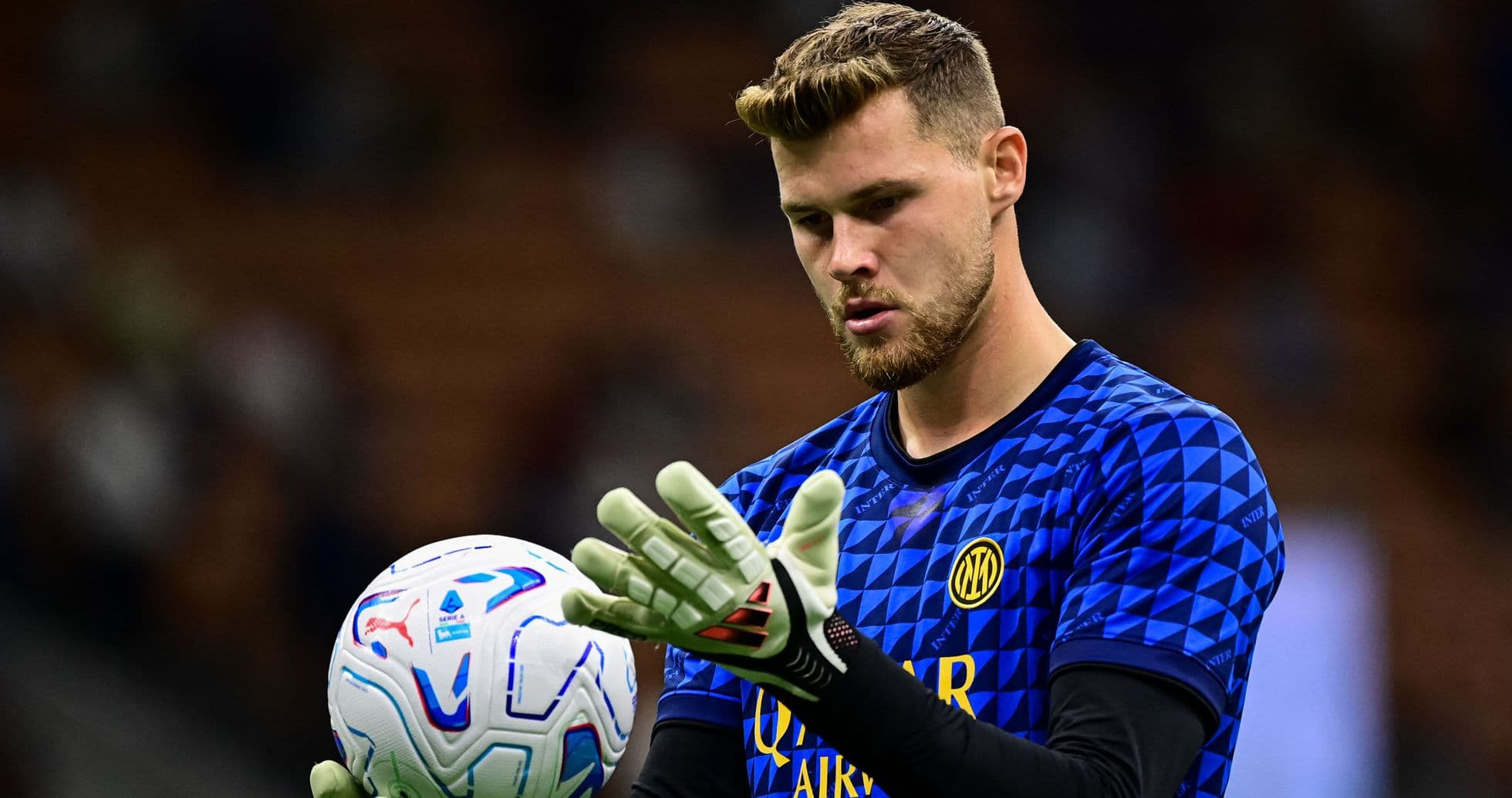
Jesse Marsch kept faith with Canada’s familiar 4‑4‑2, a shape they had used in all 5 World Cup outings. M. Crepeau anchored a back four of A. Johnston, M. Bombito, L. De Fougerolles and R. Laryea. Ahead of them, a flat midfield of T. Buchanan, N. Sigur, S. Eustaquio and A. Ahmed was tasked with connecting quickly into the dual threat of J. David and T. Oluwaseyi.
On paper, it was an aggressive, front‑foot selection. Heading into this game, Canada’s home and neutral‑site numbers told the story: at home they had averaged 2.3 goals for and 1.3 against, and in total this campaign 1.8 scored and 1.2 conceded per match. They were used to trading punches. The gamble was that this same openness would hold up against a Moroccan side that had conceded just 0.8 goals per game overall.
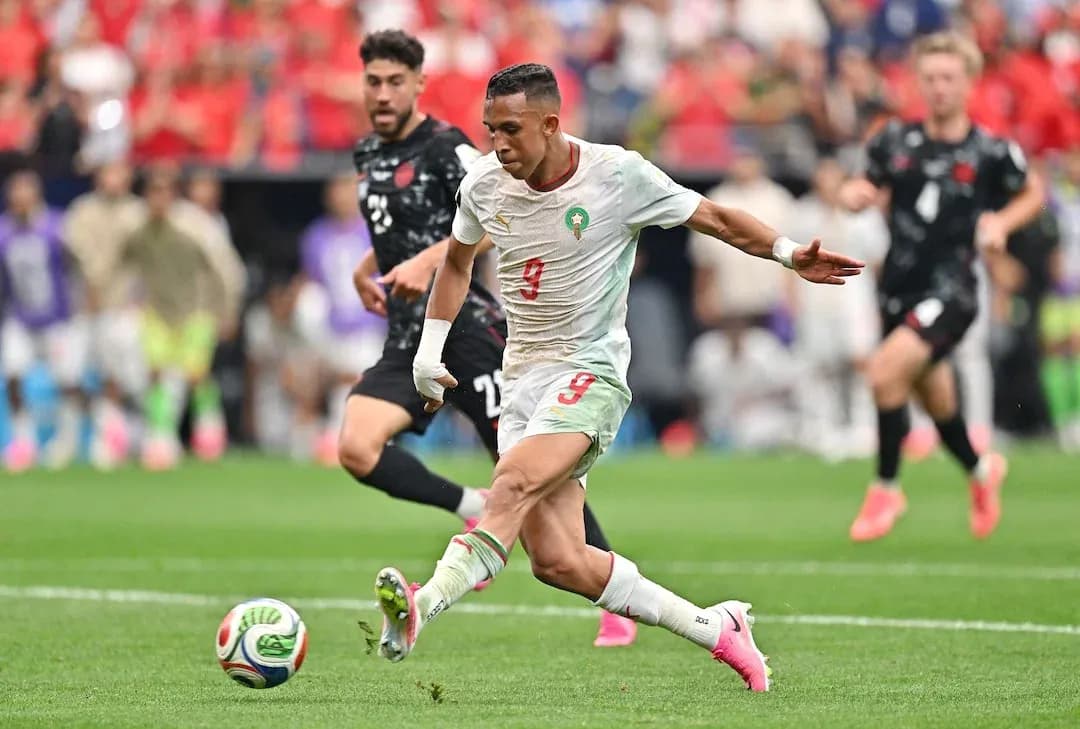
Mohamed Ouahbi’s Morocco, set up in a 4‑2‑3‑1, were built for precisely this kind of opponent. Bono stood behind a back four of A. Hakimi, I. Diop, R. Halhal and N. Mazraoui. The double pivot of A. Bouaddi and N. El Aynaoui offered the platform for an exquisitely technical band of three: B. Diaz as the central creator, flanked by A. Ounahi and B. El Khannouss, with I. Saibari as the nominal striker.
The selection captured Morocco’s tournament DNA. Heading into this game, they had averaged 2.2 goals scored and only 0.8 conceded per match overall, with clean sheets in 2 of their 5 outings. Their only real blemish lay from twelve yards: 5 penalties taken, 3 scored and 2 missed, a 60.00% conversion rate that had already introduced unnecessary jeopardy in earlier rounds.
Canada’s first tactical void was enforced rather than chosen. The absence of I. Koné, ruled out with a lower‑leg fracture, removed a press‑resistant, line‑breaking presence from midfield. In a match where Canada needed to play through Morocco’s first line, that loss was structural. It forced even more responsibility onto S. Eustaquio as the tempo‑setter and onto N. Sigur and A. Ahmed to carry the ball under pressure.
Discipline was another lurking fault line. Across the tournament, Canada’s yellow cards had been spread but concentrated in the middle phases: 27.27% of their cautions had come between 31–45 minutes and another 27.27% between 46–60, with 18.18% in the opening quarter‑hour and 18.18% from 61–75. This pattern suggested a team that often arrived late into duels as the game quickened. Individuals reinforced that picture. L. De Fougerolles, who started on the left of the Canadian defence, had already collected 2 yellow cards in 5 appearances and sat near the top of both the yellow and red card charts, while forward C. Larin, on the bench here, also carried 2 yellows in just 189 minutes.
Morocco’s caution profile was tidier but targeted. Every one of their yellow cards had fallen between 16–60 minutes, split evenly at 33.33% in the 16–30, 31–45 and 46–60 ranges. It reflected a side that was happy to use tactical fouls to reset the tempo, but rarely lost control late on.
The “Hunter vs Shield” duel was stark. Canada’s attack was led by J. David, who had scored 3 goals in 5 appearances, with 12 shots and 8 on target, and who even contributed defensively with 4 tackles and 1 blocked shot. He was supported in the wider tournament picture by C. Larin’s 2 goals from the bench and the creative surge of N. Saliba, whose 2 assists and 1 goal from midfield had been crucial earlier in the competition.
But this firepower was walking into a Moroccan defensive unit that had conceded just 4 goals overall and had not lost a match. I. Diop, one of the tournament’s most efficient centre‑backs, came in with 4 blocked shots and 5 interceptions across 4 appearances, while A. Hakimi’s profile was that of a complete modern full‑back: 1 goal, 2 assists, 11 tackles, 1 blocked shot and 5 interceptions, all while providing 15 key passes from deep and wide zones.
The “Engine Room” battle was equally decisive. For Morocco, B. Diaz arrived as the World Cup’s second‑ranked creator, with 4 assists, 8 key passes and 90% passing accuracy. He was flanked by the guile of A. Ounahi and the intelligence of B. El Khannouss, giving Ouahbi three players between the lines capable of exploiting any looseness in Canada’s flat four.
Canada’s answer lay in S. Eustaquio’s metronome passing and the emergent two‑way influence of N. Saliba, whose 6 tackles and 4 interceptions from midfield underlined his capacity to both break and make play. Yet Saliba started on the bench here, reducing Canada’s ability to compress the pitch around Morocco’s creators and leaving Eustaquio to manage large spaces against an elite technical trio.
From a statistical prognosis, the matchup always tilted towards Morocco’s control. Canada’s willingness to open the game, reflected in their 9 goals for and 6 against overall, had worked in the group stage, where volatility could be forgiven. Against a knockout specialist that married a 2.2 goals‑per‑game attack to a 0.8 goals‑against defence, the margins narrowed.
Morocco’s key offensive edge was I. Saibari. With 3 goals from just 6 shots and 3 on target, plus 4 successful dribbles and 15 duels won, he embodied ruthless efficiency in the box. Canada’s back line, already stretched by their own attacking ambition, struggled to track his movements between centre‑backs and full‑backs, especially without a dedicated holding midfielder screening.
In the end, the 3–0 scoreline in Houston was the logical extension of the pre‑match data. Canada’s brave 4‑4‑2 and high‑risk, high‑reward profile ran into a Moroccan side perfectly constructed to punish transitions, control rhythm through B. Diaz and A. Hakimi, and finish clinically through Saibari. The numbers had hinted at it; the pitch at NRG Stadium confirmed it.