
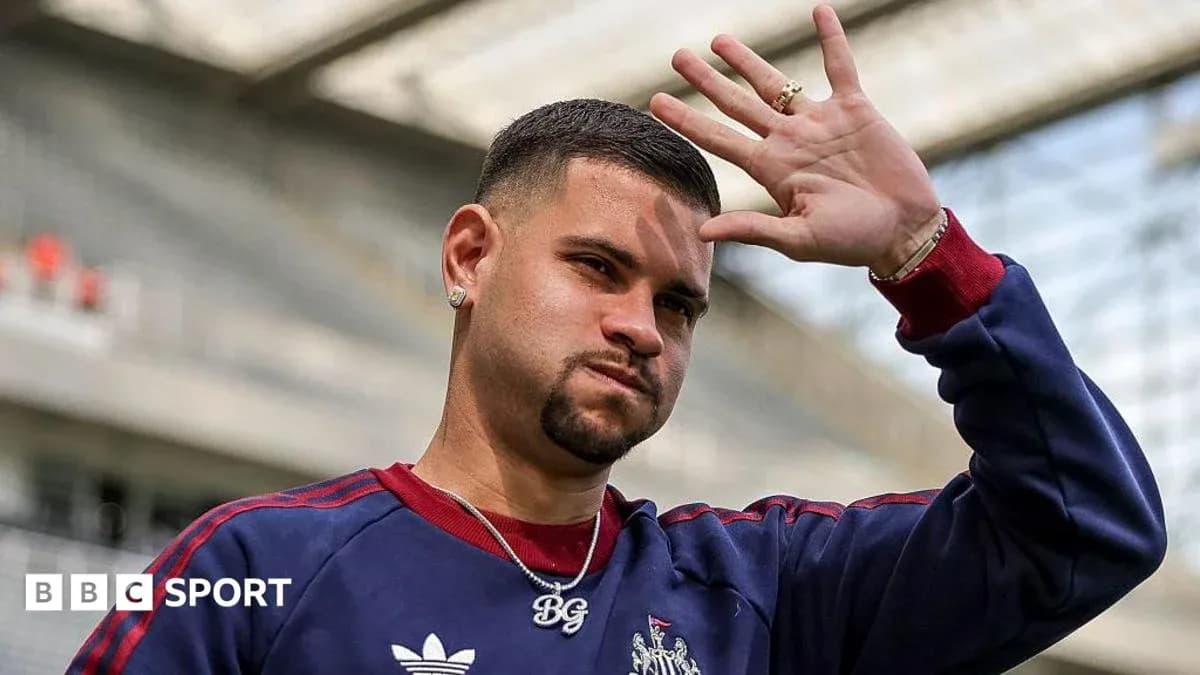
Bruno Guimaraes Joins Arsenal: Impact on Newcastle United
Newcastle United did not come into this summer planning to sell Bruno Guimaraes. They have, in the words of their own hierarchy, been forced into it.
The club’s sporting director, Ross Wilson, laid it out plainly. The £75m move to Arsenal was not part of any grand strategy, no carefully plotted rebuild. It began with a conversation, and a captain who had reached the end of his emotional tether on Tyneside.
Guimaraes, 28, told them he wanted to go.
“He effectively told us he wanted to leave and move on,” Wilson explained, describing a player who handled the process “very respectfully” but with clear, raw emotion.
Newcastle could have dug in. They could have said no. But once the numbers climbed into a certain bracket, and once it became obvious their talisman no longer wanted to “play here anymore”, resistance started to look like self-harm.
The pressure finally told.
Guimaraes left the club’s pre-season camp in Spain in tears, saying his goodbyes to team-mates and staff. This was not the clean, clinical exit of a squad player. This was the departure of the man who had come to symbolise Newcastle’s rebirth, walking away just as the club tries to convince the football world it is still on an upward curve.
He becomes the fourth major pillar to fall in less than a year.
- Sandro Tonali has gone to Tottenham Hotspur.
- Anthony Gordon has swapped black and white for Barcelona colours.
- Alexander Isak left for Liverpool last summer.
Now the heartbeat of their midfield is following the pull of the Premier League champions.
For Newcastle, losing Guimaraes cuts deeper. He was not just a name on a teamsheet. He was the emotional centre of the project, a player whose connection with supporters felt almost personal. That bond made this decision more painful, but it also made the club’s room for manoeuvre smaller. When your captain tells you he needs to move on, the dynamic changes.
Behind the scenes, the deal itself became a test of nerve.
Newcastle chief executive David Hopkinson suggested Arsenal initially tried to edge in lower, probing with smaller figures before the final fee landed at around £75m. Newcastle, unsurprisingly, pushed the other way. For a player turning 29 in November, and one of the most influential midfielders in the league, they wanted more.
“Arsenal are getting a very special player and person,” Hopkinson admitted, even as he insisted the final agreement “satisfies” Newcastle.
He called it the highest fee for a player “in that position at that age”, a line that speaks as much to the club’s need to frame this as smart business as it does to market reality.
This is what top-level negotiation looks like now: elite clubs haggling over the margins of superstardom, each side trying to walk away claiming victory. Newcastle believe they have done that financially. Arsenal believe they have done it on the pitch.
The real verdict will come once the season starts.
Newcastle now have a hole in the middle of their team and a month to fill it. They have already moved aggressively for youth: four of their five summer arrivals so far are 20 or under, a clear attempt to build a core for the long term. But this loss changes the equation.
They need experience. They need presence. They need someone who can walk into a Premier League midfield and carry the weight that Guimaraes did without blinking.
Wilson insists they will not panic. The message from the recruitment team is deliberate: they will not “jump to do something that we don’t really want to do to tick a box”. That sounds sensible on paper. In reality, it means walking a tightrope between patience and paralysis while the clock ticks towards the 1 September deadline.
The project at St James’ Park is not collapsing, but it is being reshaped under pressure.
Newcastle have money in their pocket and a gap in their soul. Arsenal have the midfielder they wanted, a player built for title races and Champions League nights. Somewhere in the middle of that equation lies the real question: can Newcastle turn this painful sale into the next step of their evolution, or will Guimaraes’ farewell in Spain come to mark the moment their momentum truly stalled?





