Birmingham Legion vs Louisville City: Tactical Clash Ends in Draw
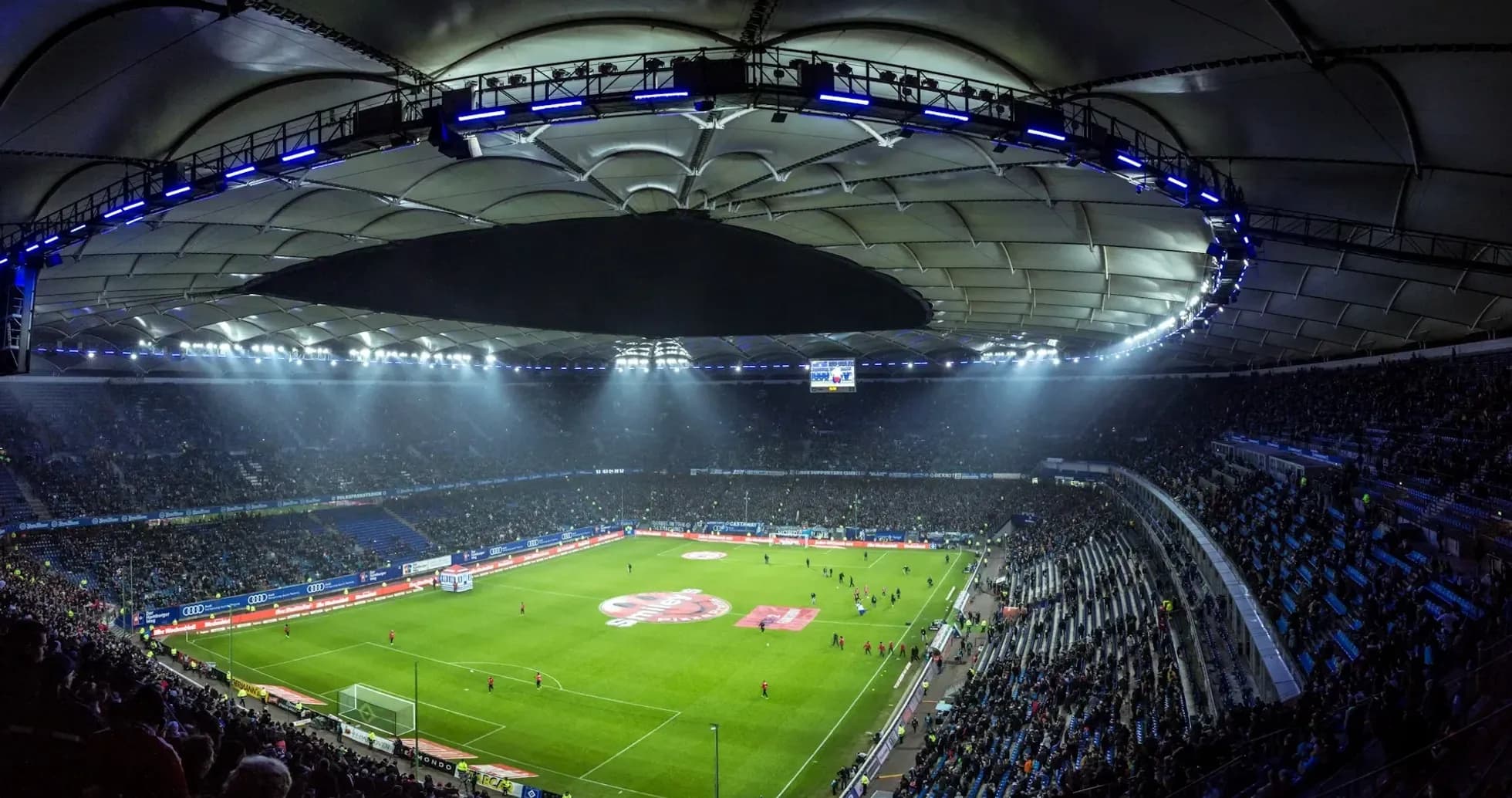
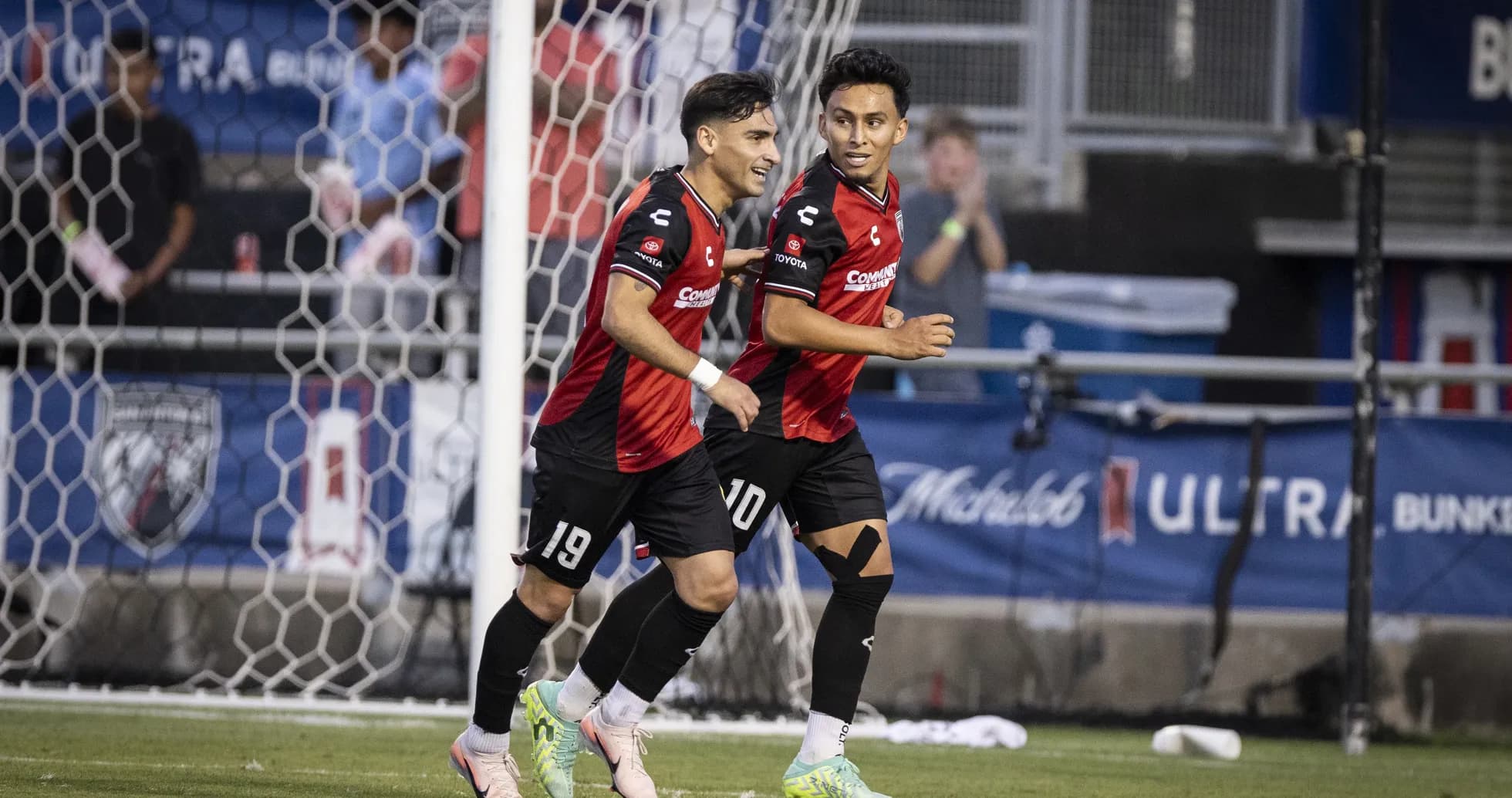
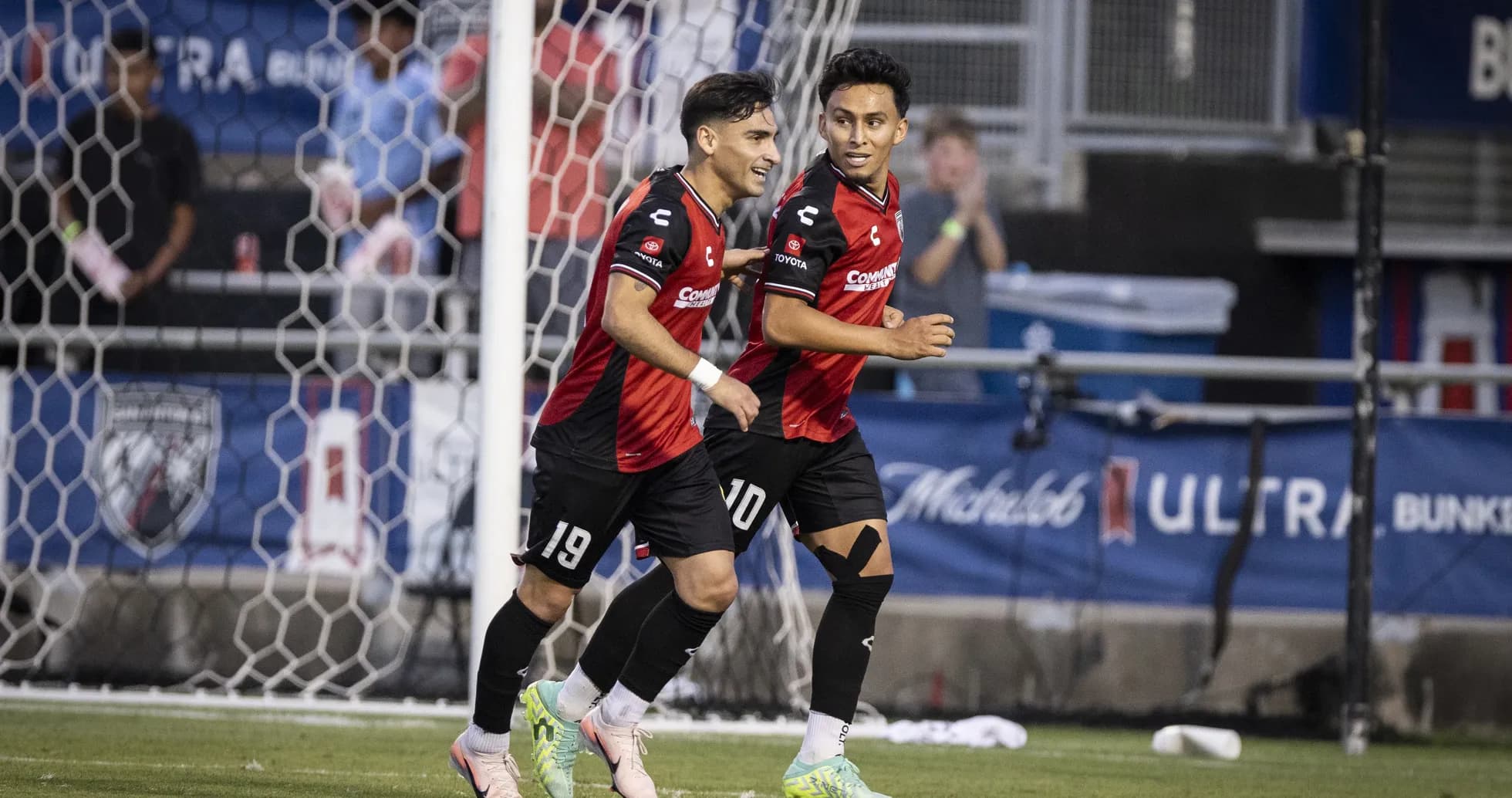
Under the Birmingham lights at Protective Stadium, Birmingham Legion and Louisville City shared a 1-1 draw that felt less like a stalemate and more like two clashing identities cancelling each other out. In the broader canvas of the USL Championship group stage, it was 10th against 4th in USL 1: a home side defined by defensive parsimony and narrow margins against a visitor whose season has swung between explosive wins and exposed vulnerabilities.
I. The Big Picture – contrasting seasonal DNA
Heading into this game, Birmingham’s season had been built on control and caution. Overall they had played 10 league matches, winning 2, drawing 5 and losing 3. At home, the numbers were even more stark: 6 matches, just 1 win, 4 draws and 1 defeat. They had scored only 4 home goals and conceded 4, an average of 0.7 scored and 0.7 conceded per home game. The goal difference overall stood at -1, with 11 goals for and 12 against.
Louisville arrived as the more volatile outfit. Overall they had played 12 matches, with 5 wins, 2 draws and 5 defeats, scoring 20 and conceding 20 for a goal difference of 0. On their travels they had been adventurous: 6 away games, 2 wins, 2 draws, 2 losses, with 11 goals scored and 11 conceded, an average of 1.8 both for and against away. Where Birmingham preferred low-scoring chess, Louisville embraced risk.
The 1-1 scoreline at half-time and full-time mirrored that collision of styles: Birmingham dragging the tempo into their comfort zone, Louisville still finding a way to punch back.
II. Tactical Voids and Discipline – where the game could have tilted
There were no listed absentees, so both coaches could lean into their preferred cores. Jay Heaps’ Birmingham XI hinted at a compact, transition-focused side: J. Koleilat in goal behind a defensive group anchored by K. Hughes and B. Washington, with width and direct running likely from T. Pasher and D. McCartney. In the central corridors, S. Antwi and S. Shashoua offered contrasting profiles: one to screen, one to connect. Up front, the presence of R. Damus promised vertical threat, with S. Ngoma and G. Diarbian able to break lines from deeper zones.
On the opposite bench, Simon Bird’s Louisville were set up for front-foot football. D. Faundez in goal had a back line featuring the experienced S. Totsch and K. Adams, while full-backs A. McFadden and J. Wilson could step high. In midfield, T. Davila and B. Niang gave Louisville a platform to press and recycle, with A. Dia and Q. Huerman supporting the creative thrust of R. Serrano and the penalty-box instincts of C. Donovan.
Discipline was always going to be a subplot. Birmingham’s season-long yellow-card profile revealed a tendency for late-game turbulence: 30.77% of their yellows had come between 76-90 minutes, with another 23.08% between 31-45 minutes. Their only red card all season had also arrived in the 76-90 window. Louisville, by contrast, spread their cautions more evenly but still peaked late: 25.00% of their yellows between 46-60 and another 25.00% between 76-90. In a tight match, the final quarter-hour was always likely to become a disciplinary minefield.
III. Key Matchups – Hunter vs Shield, and the Engine Room
Hunter vs Shield was less about a single star and more about unit-versus-structure.
For Birmingham, the “hunter” role fell collectively to Damus, Pasher and the roaming Diarbian. They were up against a Louisville defence that, on their travels, conceded 1.8 goals per game. Louisville’s away record of 11 conceded in 6 suggested that if Birmingham could get the first pass right into the front three, chances would come. Damus’ runs in behind and Pasher’s diagonal drives were particularly well-suited to stress the channels around Totsch and Adams, especially if McFadden or Wilson pushed high and left space.
On the other side, Louisville’s attacking cadre – Donovan as the reference point, Serrano as the line-breaker, Dia and Huerman as secondary threats – were confronting one of the league’s more stubborn home defences. Birmingham had conceded only 4 home goals in 6 matches, with 3 home clean sheets. Hughes and Washington, screening in front of Koleilat, had built a reputation for managing the box and forcing low-quality shots. The question was whether Louisville’s 1.8 away goals per game could crack a unit that allowed just 0.7 at home.
In the Engine Room, the duel between Birmingham’s central operators (Antwi, Shashoua, and the deeper movements of Ngoma) and Louisville’s Davila–Niang axis was decisive. Louisville’s best form this season – a four-game winning streak – had come when they could press, win second balls and sustain pressure. Birmingham’s season-long pattern of 5 draws in 10 overall fixtures suggested they were comfortable turning matches into attritional battles, slowing Louisville’s rhythm and forcing them into hopeful crosses rather than clean central entries.
Heaps’ bench options, like S. Saucedo and K. Cole, offered late-game energy and ball retention to protect a result, while Bird could turn to T. Showunmi or M. Akale to tilt the game towards chaos if chasing a goal.
IV. Statistical Prognosis – xG balance and defensive solidity
Even without explicit xG numbers, the season data points to a predictable expected-goals landscape. Birmingham’s home averages of 0.7 scored and 0.7 conceded imply that most matches at Protective Stadium sit around the 1.4 xG to 1.6 xG total band, with the Legion prioritising structure over volume. Louisville’s away profile – 1.8 for and 1.8 against – pulls that upwards, suggesting a likely xG total closer to the 2.5 range when these styles collide.
Following this result, the 1-1 scoreline feels almost like the mean of those competing tendencies: Louisville’s attack dragged the game above Birmingham’s usual low-event baseline, while Birmingham’s defensive solidity dragged it below Louisville’s usual away chaos.
The broader tactical verdict is clear. Birmingham remain a side whose season will be defined by fine margins, clean sheets and managing game states; their penalty record – 1 taken, 1 scored, 100.00% conversion – underlines their precision when rare chances arise. Louisville, with no penalties taken and a perfectly balanced 20 goals for and 20 against overall, will continue to live on the edge.
If these two meet again in a knockout context – and Louisville’s current description places them in the Promotion play-off picture at the 1/8-finals stage – expect a similar script: Birmingham trying to suffocate the contest, Louisville trying to blow it open, and the decisive moments likely arriving in that volatile final quarter-hour where both teams’ card profiles and fatigue collide.