Bezos Joins Liverpool as Seismic Minority Sale Approaches
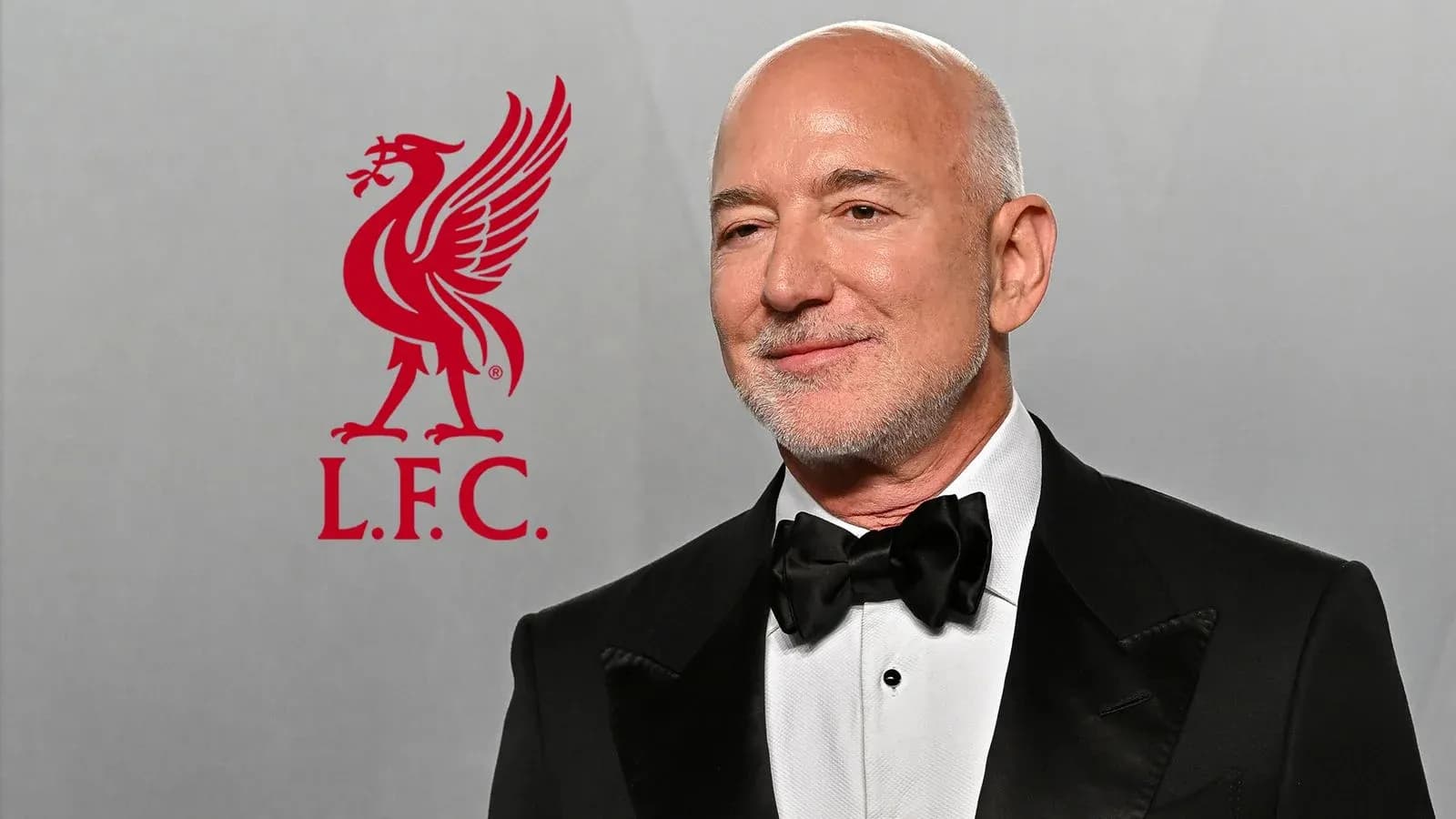
Liverpool are on the brink of welcoming one of the world’s richest men into their boardroom, with Jeff Bezos part of a heavyweight consortium closing in on a deal to buy roughly a one-third stake in the club.
Fenway Sports Group (FSG), the owners who dragged Liverpool back from financial disarray to Champions League and Premier League glory, are preparing to announce the transaction as early as this week, with some insiders suggesting it could slip into next week depending on final details.
What is not in doubt is the scale. If the agreement lands at the reported valuation of £4.4bn ($6bn), it will rank among the most lucrative deals in football history and cement Liverpool’s place in the sport’s financial elite.
A new power bloc at Anfield
The incoming investor group is led by Amit Bhatia, the British Indian entrepreneur and former Queens Park Rangers shareholder, whose background in investment banking and multi-asset management has made him a familiar figure in high finance.
Alongside him stand two names that barely need introduction.
Jeff Bezos, the Amazon founder with a personal fortune estimated by Forbes at over £207bn ($280bn). Eduardo Saverin, the Facebook co-founder valued at more than £23.7bn ($32bn), who already has form in elite football after joining an unsuccessful bid to buy Chelsea in 2022.
Together, they would form a trio of extraordinary wealth in the Liverpool ownership structure, instantly changing the perception of who sits behind the famous red shirt.
One source close to the talks indicated that the stake could edge beyond 30 per cent, slightly larger than initially anticipated. It remains a minority holding, but the numbers alone will provoke questions about where this partnership is heading.
FSG’s golden flip
For FSG, the deal would be another emphatic marker of their financial acumen.
They bought Liverpool in 2010 for around £300m, acquiring a club weighed down by debt and rancour. Sixteen years on, a valuation in the region of £4.4bn would underline the scale of their turnaround, both on the pitch and in the balance sheet.
It would also follow last year’s move that saw Dynasty Equity take a small stake in the club at a valuation north of £3.3bn ($4.5bn). The trajectory is clear: Liverpool’s worth has soared, and global capital has noticed.
Little wonder, then, that the arrival of such a powerful new consortium will ignite speculation that this is only the first step. A strategic minority today could become a bid for outright control tomorrow. For now, that remains conjecture, but the direction of travel in elite sport is unmistakable.
Why Bezos, why now?
Bezos has never previously been seriously linked with a football club. His business empire has long stretched from e-commerce to aerospace via Blue Origin, and into media through Nash Holdings, the ownership vehicle for The Washington Post.
His move towards Liverpool underlines a hard reality: top-level sport is now an asset class in its own right, a rare combination of global reach, cultural power and scarcity. There are only so many clubs with Liverpool’s history, fanbase and commercial pull. When they come to market, even partially, the world’s richest listen.
Saverin’s presence reinforces that trend. At 44, he has already tested the waters of Premier League ownership through the Chelsea auction that followed sanctions on Roman Abramovich after Vladimir Putin’s invasion of Ukraine. That bid failed, but the appetite clearly remained.
Bhatia, meanwhile, brings both football experience and institutional polish. He runs AyBe Capital, a multi-asset investment firm spanning technology, media, real estate, consumer retail and health. His previous spell on the board at QPR offers at least some grounding in the day-to-day realities of running a club, even if Liverpool operate on a vastly different scale.
Silence from the key players
Publicly, everyone is keeping their cards close.
Last month, an FSG spokesperson acknowledged that “an investment consortium led, managed, and represented by Amit Bhatia has expressed interest in making a strategic minority investment in Liverpool Football Club,” but declined to go further on timing or structure.
FSG have refused to comment on the latest indications that a deal is imminent. The Bhatia-led group has also stayed silent.
Sky Sports News has approached both Liverpool and FSG for comment, but the negotiations remain firmly behind closed doors.
What it means for Liverpool
The immediate impact will not be felt on the pitch. This is a boardroom play, a reshaping of Liverpool’s financial muscle at a time when the Premier League’s economic arms race shows no sign of slowing.
Yet supporters will inevitably look beyond balance sheets. With Bezos, Saverin and Bhatia potentially in the fold, expectations will rise. Transfer windows will be viewed through a different lens. Stadium projects, global marketing pushes, commercial partnerships – all will be measured against the financial firepower now aligned with the club.
The last time Liverpool changed hands in any form, it was a modest slice for Dynasty Equity. This time, the stake is far bigger, the names far louder, the implications far deeper.
If and when the announcement comes, Anfield will not just be welcoming new investors. It will be opening its doors to a new era in which Liverpool, already a global institution, becomes a flagship asset in the portfolios of some of the richest people on the planet.
The only real question now is how long a “strategic minority” will satisfy ambitions of that size.