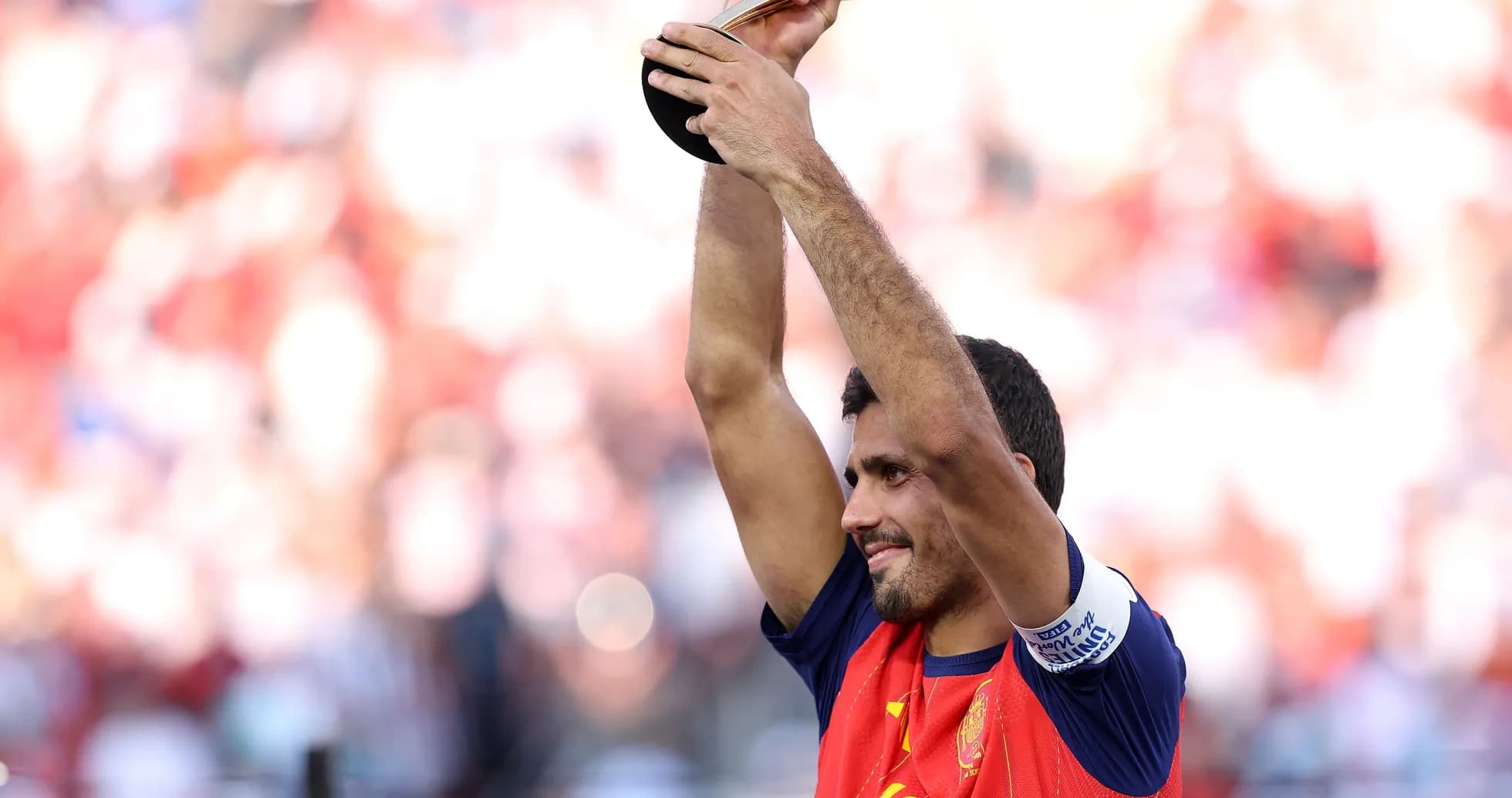
Ballon d'Or Contender Rodri Sparks Transfer Speculation
The Ballon d'Or slip that lit up the transfer rumour mill
Someone, somewhere, pressed publish too soon.
On the official Ballon d'Or channels, Manchester City’s metronome Rodri suddenly appeared not just as a leading contender for the 2026 prize, but woven into the story of Barcelona’s greatest icons. One problem: Barcelona and City are still only at the early talking stage. No agreement. No announcement. Nothing signed.
Yet there he was, in black and white.
A line that said too much
The article in question set out to celebrate Barcelona’s Ballon d'Or history. On the surface, it was routine content: a roll call of the Catalan club’s golden generation of winners and the legends who came before them.
Then came the twist.
Rodri’s name surfaced not simply as a future favourite for the award, but as “a potential candidate to join this distinguished list” of Barcelona Ballon d'Or winners. Not City winners. Barcelona winners.
In the hyper-controlled world of elite football communications, that kind of phrasing is dynamite. It reads less like a neutral projection and more like a knowing nod – as if the organisers of the game’s most prestigious individual prize already see Rodri in Blaugrana colours.
Clerical error, overeager copywriter, or a glimpse behind the curtain of a deal still being quietly built? Nobody is saying a word.
A seat at a very exclusive table
The list Rodri was being nudged towards is one of the most illustrious in the sport.
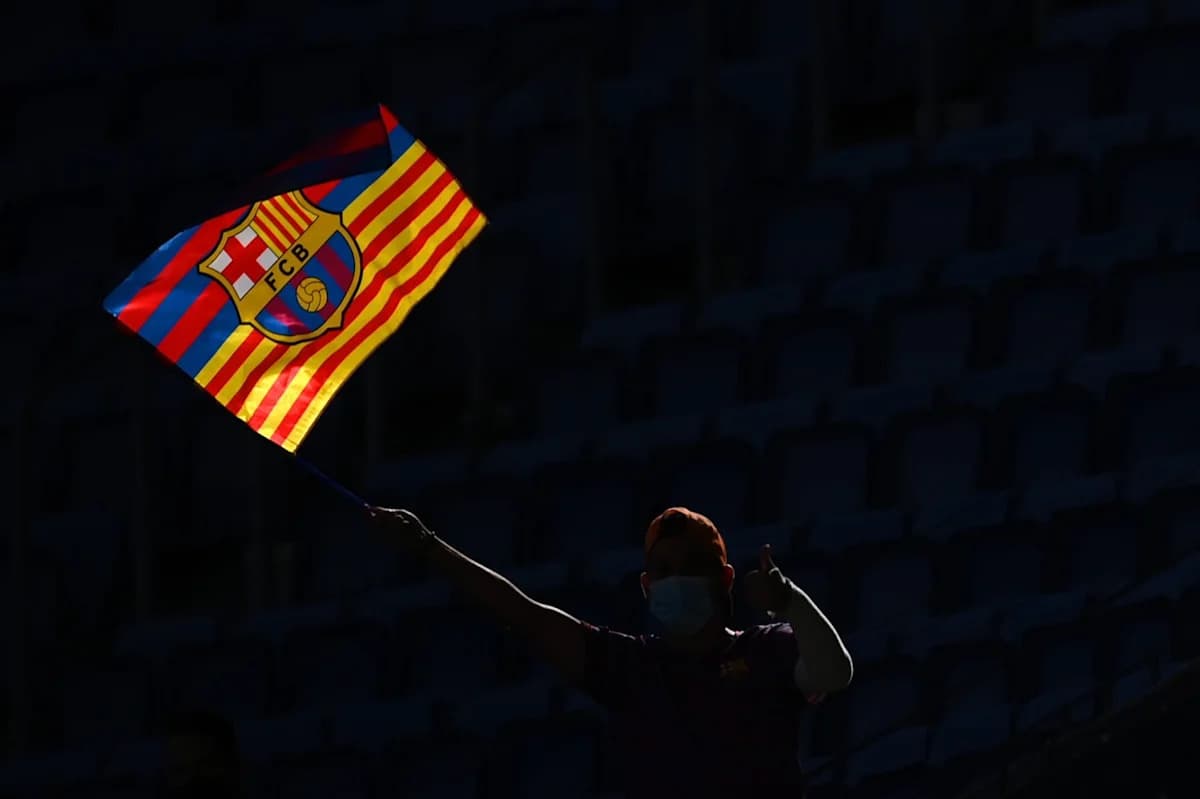
Barcelona’s Ballon d'Or heritage runs through eras and continents: Spain’s Luis Suárez Miramontes, the Netherlands’ Johan Cruyff, Denmark’s Allan Simonsen, Bulgaria’s Hristo Stoichkov, Brazilians Rivaldo, Ronaldo Nazário and Ronaldinho, Portugal’s Luís Figo, Argentina’s Lionel Messi, and France’s Ousmane Dembélé.
Different positions, different generations, the same golden thread. To be mentioned as the next in that line is not casual flattery. It is a statement about how the award’s organisers view Rodri’s standing in the modern game and, crucially, where they expect him to be playing when his candidacy peaks.
For a midfielder who has become the heartbeat of City’s dominance, the implication is clear: the football establishment can already picture him running Barcelona’s midfield on the biggest nights.
Barcelona, Madrid and the numbers game
Buried within the piece was another provocative detail.
The article floated the idea that if Rodri were to win the Ballon d'Or in a Barcelona shirt, the Catalan club would draw level with Real Madrid in total awards claimed by their players. Not just a personal triumph, but a historic levelling of the ledger in one of football’s defining rivalries.
This is where the slip stops being a mere curiosity and becomes a loaded narrative.
Barcelona chasing Madrid in Europe, in La Liga, and now, potentially, in Ballon d'Or counts. Rodri, a Spaniard schooled in control and authority, cast as the man to restore parity in one of the sport’s most symbolic tallies. For Barcelona supporters, it reads like a dream scenario. For City, it sounds like the prelude to a summer they would rather avoid.
Silence as the story grows
Since the article appeared – and its wording was pored over, shared and screenshotted – there has been nothing. No clarification from the Ballon d'Or organisers. No denial from Barcelona. No irritation, at least in public, from Manchester City.
Just silence.
In the modern game, that quiet can be deafening. When an official channel treats a player as all but signed, it usually means someone, somewhere, has jumped ahead of the script. Whether the Ballon d'Or team simply overstepped in trying to ride the transfer speculation, or accidentally exposed the direction of travel, the effect is the same.
Rodri is still a City player. Negotiations between the clubs, by all accounts, remain at an early stage. But once your name has been written into Barcelona’s Ballon d'Or lineage, and once the rivalry with Real Madrid is dragged into the conversation, the story rarely goes backwards.
The next move belongs not to the award organisers, but to the clubs.