Australia Faces Crucial Challenge Without Italiano
The World Cup has finally found its edge. The group stage is settling into that familiar mix of jeopardy, drama and noise – and across continents, big names, bold calls and bruised egos are shaping the story.
Australia lose a key weapon – and face a moment of truth
Australia’s World Cup has barely found its rhythm and already Tony Popovic is being forced into a rethink.
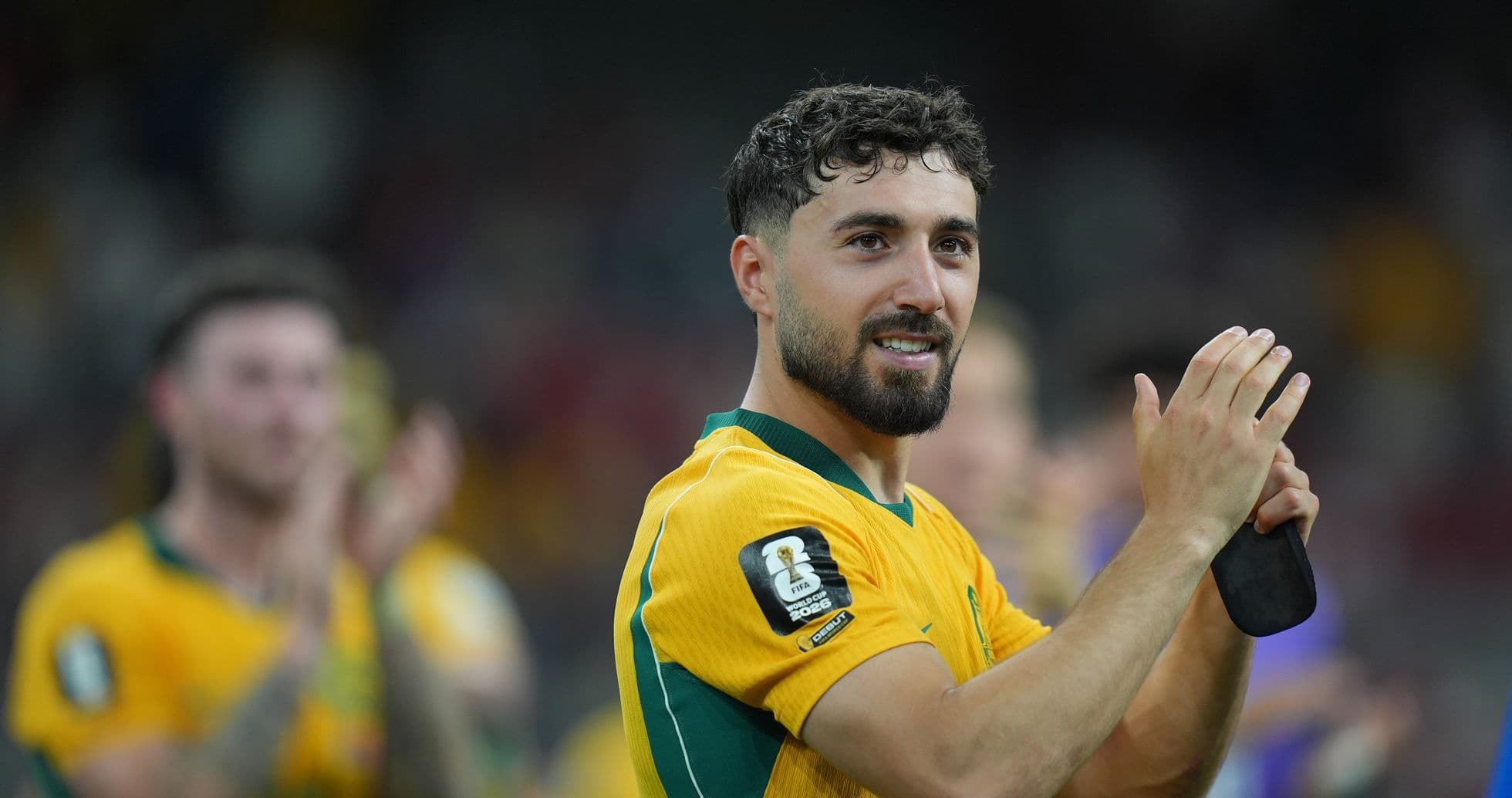
Having started both games so far, right wing-back Alessandro Italiano is set to miss the crucial clash with Paraguay through injury, joining Mat Leckie on the sidelines. It’s a significant blow. Stepping in for the injured Lewis Miller earlier in the tournament, Italiano had muscled his way into the XI, working relentlessly to shut out Turkiye on Matchday 1 and then grinding through 90 minutes against the USA.
Without him, Popovic loses energy, width and a natural outlet on the right. He also loses a player who had quickly understood the demands of tournament football.
Australia’s approach so far has split opinion. Against the USA in Seattle, the Socceroos retreated into a low block, conceded twice before half-time and only came alive once Popovic turned to his bench. Connor Metcalfe, Nestory Irankunda and Cristian Volpato changed the temperature of the game, injecting pace and intent and immediately putting the Americans under pressure.
That turnaround has sharpened the calls for a bolder start against Paraguay.
Former Socceroo Craig Foster, speaking on 1170 SEN Breakfast, knows Popovic’s nature is to err on the side of caution, but he wants to see the handbrake loosened.
He acknowledged Popovic’s record – automatic qualification, something Australia hadn’t managed for some time – but pointed to the USA game as a warning. Sit too deep, fall behind, and you’re suddenly chasing a World Cup match that doesn’t want to be caught.
Foster wants the young flyers on early. Volpato’s brief cameo, he argued, was “phenomenal”, the kind of performance that should force a manager’s hand. Pair him with Irankunda from the first whistle, get in front of Paraguay, then lean on a defensive structure that has already proven hard to break down.
The message is simple: Australia can defend. Now they need to prove they can create – and finish – when it matters most.
Colombia climb, Congo cling on
Elsewhere, Group K tilted on a single swing of a right boot.
Right-back Daniel Muñoz stepped forward and delivered the decisive moment, his 76th-minute strike giving Colombia a 1-0 win and taking them to the top of the group with six points. No flourish, no fuss, just a result that puts them in command.
For Congo, it’s survival by fingertips. One point from their first outings leaves them needing a win over Uzbekistan on Sunday to have any hope of sneaking through as one of the best third-placed teams. The margin for error has gone. The door is almost shut, but not quite.
Fire and frost between Bellingham and Queiroz
In Boston, the football never caught fire. The touchline did.
A tetchy 0-0 draw descended into a flashpoint when Jude Bellingham clattered into Jerome Opoku with a heavy challenge right in front of the dugouts. The England playmaker escaped a card but walked straight into a confrontation with opposition coach Carlos Queiroz as the teams left the field.
The pair exchanged words, Queiroz visibly furious. Later, he explained that Bellingham had “a bad reaction with some bad names” after the tackle. The veteran coach said his first instinct had been to calm the situation and check on his player’s health, but the heat of the moment, the swearing and the stakes combined to spark a brief blaze.
Then it cooled. Queiroz shrugged it off as part of the game, reminding everyone that football “is not dancing in a saloon with tuxedos”.
Bellingham, for his part, called it a “silly tackle”, insisting he’d simply tried to win the ball and overran it, catching his opponent. He spoke with Opoku, then watched the opposition bench rise in unison to demand a yellow. Recognising Queiroz from his Manchester United days, he stressed the respect between them, framing the incident as nothing more than competitive edge spilling over.
The scoreline didn’t move, but the temperature certainly did.
Group L tightens as Croatia rise and Panama fall away
In Group L, the picture has sharpened.
Croatia have finally opened their World Cup account, a first win lifting them to third on three points, tucked in behind England and Ghana, who both sit on four. For Zlatko Dalić’s side, the equation is clear: beat Ghana on June 28 and they’re through to the Round of 32. Draw, and they’re left glancing at other groups, hoping to squeeze through as a third-placed survivor.
Panama won’t have that luxury. Their race is run. When they face England on June 28, it will be for pride alone, their elimination already confirmed.
England hit a Ghanaian wall
If England’s win over Croatia hinted at something expansive and exciting, Ghana dragged them straight back into World Cup reality.
For 95 long minutes at Foxborough, Ghana parked not just a bus but a fleet of them, defending deep, contesting every ball and turning the game into a grind. The refereeing frustrated both sides. The physical battles never stopped. The spectacle suffered.
England, so fluid days earlier, looked static. Declan Rice’s yellow card felt like a release of tension as much as a punishment – a challenge that screamed of a team whose patience had frayed.
The draw keeps England top of the group on goal difference, with Ghana just behind, but the mood around Gareth Southgate’s side dipped.
Micah Richards didn’t sugar-coat it. He felt England lacked bravery on the ball, too many safe passes, not enough risk against a low block that demanded incision and daring.
Harry Kane, who had tormented Croatia with a brace, found himself shackled. He described being effectively man-marked by Thomas Partey, denied space to drop deep and then arrive late in the box. Crosses came in, but the first contact never did. The central areas were choked, the game slowly tilting in England’s favour without ever tipping over the edge.
Wayne Rooney, who knows Queiroz-coached sides better than most, saw a familiar pattern: disciplined, compact, waiting for mistakes. For him, the route to success was clear – quality deliveries into the box, where England’s best chances eventually came from.
Still, he kept the bigger picture in view. England, he argued, remain well placed to top the group. The key now is to turn frustration into fuel.
Penalty shoot-outs set for a subtle but crucial shake-up
Change is coming to one of football’s most brutal rituals.
FIFA are ready to tweak the mechanics of World Cup penalty shoot-outs. At present, two coin tosses precede the spot-kicks: one to decide which end of the stadium the penalties are taken into, another to determine who shoots first.
The system has long been criticised for stacking the odds. Arsenal’s Champions League final heartbreak – losing both tosses, shooting second into a wall of PSG supporters, and ultimately losing – remains a cautionary tale.
From the last 32 onwards in this World Cup, that process will be simplified. One coin toss only. The winner chooses either to kick first or to select the end. The opposing captain takes whichever decision remains.
It’s a small adjustment on paper. On the pitch, in those moments when careers and campaigns hang on a single step and strike, it could feel seismic.
Ronaldo roars back as the greats trade blows
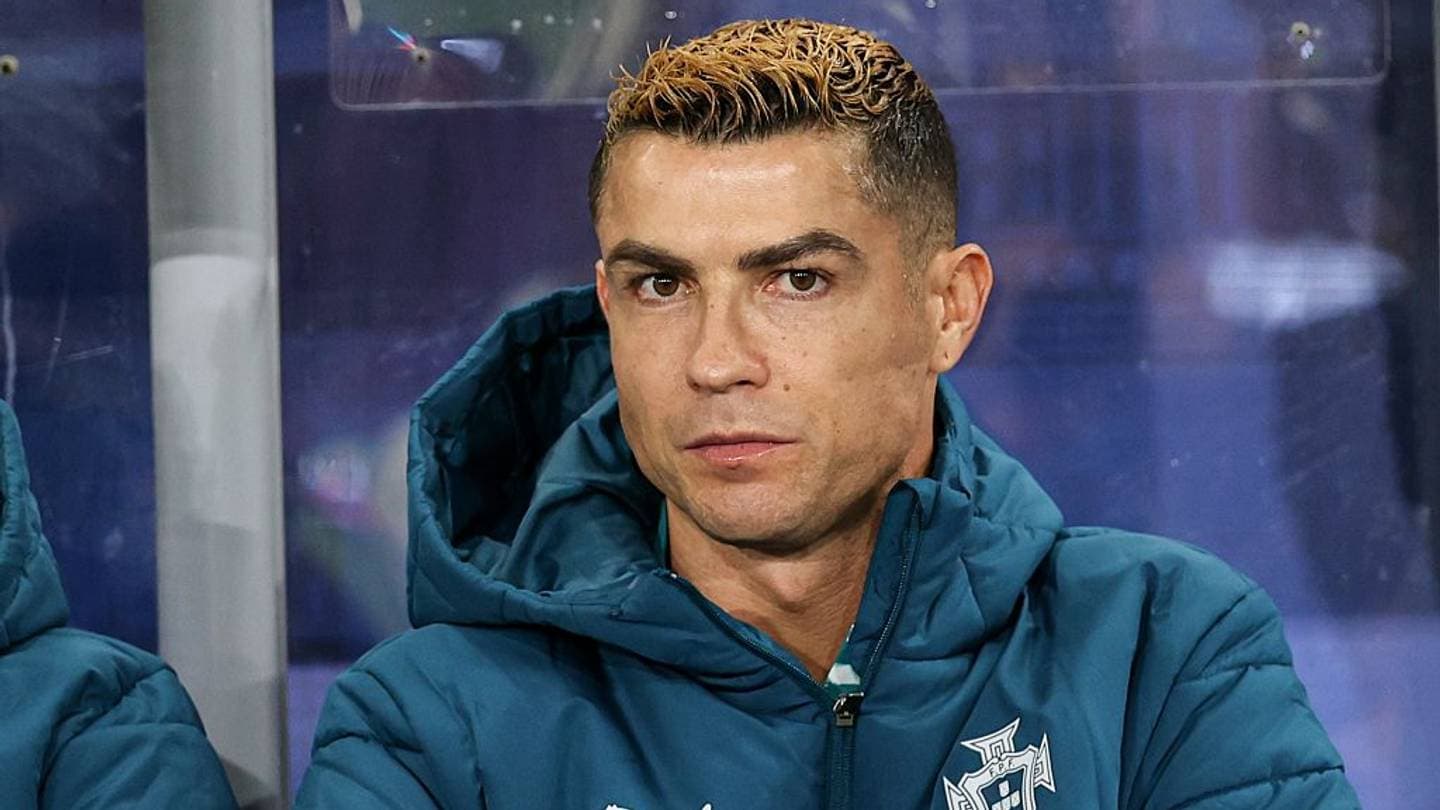
Cristiano Ronaldo has heard it all in the last week: too old, too slow, too big a name to drop. A 1-1 draw with DR Congo in Portugal’s opener fed the narrative that Roberto Martinez was clinging to the past, too wary to move on from a 41-year-old icon.
Then came Uzbekistan – and Ronaldo’s answer.
Two goals in a 5-0 demolition job, a performance that all but books Portugal’s place in the knockouts and slams the door on the idea that he’s merely a passenger. His brace arrives on the back of doubles from Lionel Messi, Kylian Mbappé and Erling Haaland the previous day, a reminder that this World Cup is being dragged along by its brightest stars.
Ronaldo spoke of a “difficult, dark week”, of feeling almost retired, of holding on through belief in hard work over hype. It was raw, defiant, classic Ronaldo.
Roy Keane, never shy with an opinion on his former teammate, dismissed the idea that the forward had ever truly gone away. For Keane, Ronaldo remains “the man”, a finisher whose genius lies in doing the hardest thing in the game – putting the ball in the net – with relentless regularity.
On this evidence, he hasn’t finished yet.
Grief in the French camp
Amid the noise of the tournament, France have been struck by something far more profound.
Didier Deschamps has left the national team camp after the death of his mother. The French Football Federation confirmed that he will miss training sessions and will not be on the bench for the final Group I match against Norway.
With the agreement of FFF president Philippe Diallo, Deschamps has handed temporary control to his long-time assistant Guy Stephan, who will lead the squad until the head coach returns.
It is a stark reminder that, even at a World Cup, life refuses to pause.
England’s patience tested again as Ghana dig in
For those who dragged themselves out of bed for England’s second group game, the spectacle tested loyalty.
Ghana’s plan was unapologetic: defend for 90 minutes, suffocate space, frustrate. England couldn’t find a way through, couldn’t create chances of real note, and the tension boiled over into niggles and cards.
It was the kind of game that exposes not just tactical flaws but temperament. England will need to show they learned something from it before the stakes rise again.
America’s ceiling, as seen from within
Across the Pacific, the United States have talked big around this World Cup. Their win over Australia only fuelled that swagger.
One of their own has tried to puncture it.
Former US goalkeeper Tim Howard, speaking on the Unfiltered Soccer Podcast in debate with Landon Donovan, laid out a brutal assessment of his country’s chances. For him, the idea of the USA winning the tournament is “literally impossible”.
His argument was simple and unforgiving: to lift the trophy, the US would need to produce the greatest performance in their history four times in a row, beating four established powerhouses from the round of 16 through to the final. Over that stretch, Howard believes reality will bite.
It’s a harsh verdict from a man who knows the weight of the shirt. But this is the World Cup. It has a habit of stripping away illusions – or, for the very few, turning them into something more.