Atletico San Luis vs Guadalajara Chivas: A Tactical Analysis of Liga MX Clash
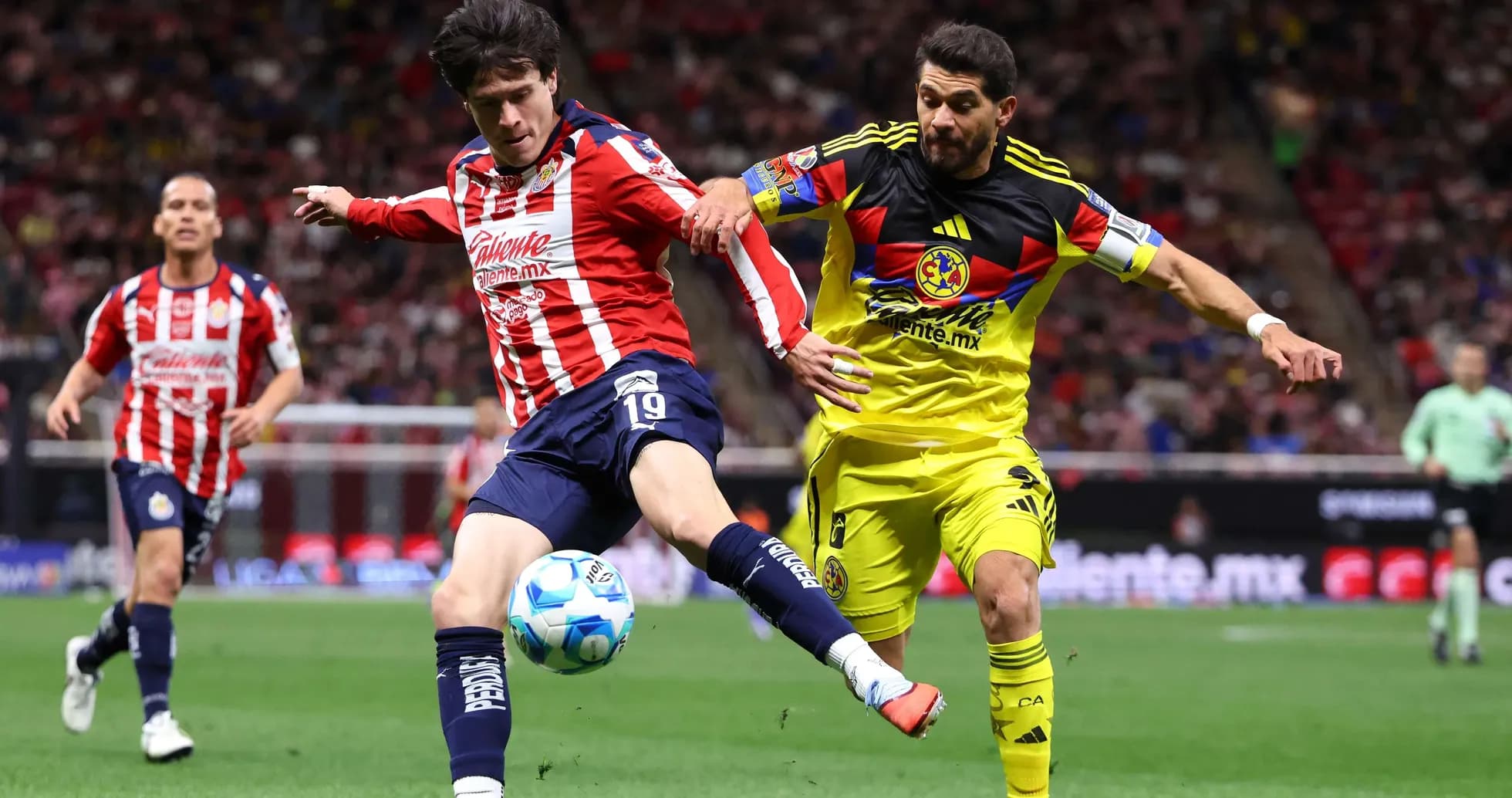
The night at Estadio Libertad Financiera ended with the scoreboard telling a brutal truth: Atletico San Luis 0, Guadalajara Chivas 3. In a Liga MX Apertura clash between a side fighting to escape the lower reaches and a contender consolidating near the summit, the 90 minutes laid bare the gap in structure, confidence, and cutting edge.
I. The Big Picture – A tale of two trajectories
Heading into this game, the standings already framed the contrast. Atletico San Luis sat 16th with 6 points from 7 matches, their overall goal difference at -5, built from 8 goals scored and 13 conceded. At home they had been particularly fragile: 4 matches, no wins, 2 draws, 2 defeats, only 3 goals scored and 7 conceded. Their overall scoring rate was 1.1 goals per match, but at home it dipped to 0.8, while they were leaking 1.8 per match in their own stadium.
Guadalajara Chivas arrived as a side with a clear identity and momentum. Second in the table on 14 points from 7, they had 12 goals scored and 6 conceded overall, for a goal difference of +6. On their travels they were unbeaten: 4 away matches, 2 wins, 2 draws, 6 goals scored and just 2 conceded. Their away attack was steady at 1.5 goals per match, underpinned by a miserly 0.5 goals against.
The match itself, finishing 0–3, felt like an extension of those seasonal trends. Chivas, in their 3-4-2-1, imposed control and vertical threat; San Luis, in a 5-4-1, often looked like a side built first to survive and only secondarily to play.
II. Tactical Voids – Structure without bite vs control with menace
Diego Mejía set Atletico San Luis up in a low, compact 5-4-1. On paper, the back five of R. Torres, Robson Bambu, M. García, E. Águila, and A. Duarte was meant to shield A. Sánchez and narrow the spaces Chivas’ creative line could exploit. In front of them, a hard-working midfield of D. Rodríguez, J. Caicedo, Ó. Macías, and S. Salles-Lamonge was tasked with shuttling laterally and springing transitions toward lone forward Rafa Llorente.
But the deeper structural issue for San Luis has been season-long: they fail to turn defensive density into offensive threat. They have only 1 win in 7 overall, with 3 draws and 3 defeats, and have failed to score in 3 of those matches. At home, they have just 1 clean sheet and have already been beaten 0-3 once this campaign; this latest 0-3 felt like a grim repetition.
Discipline has been another crack in their armor. Their yellow-card profile shows a clear spike between 46-60 minutes, where 44.44% of their bookings arrive, and they even carry a red card in that same window. That pattern suggests a team that starts with a plan but loses control as intensity rises after the interval. The presence of Robson Bambu at the heart of the defense encapsulates that tension: he has 3 yellow cards and 1 yellow-red this season, yet he has also blocked 3 shots, made 9 tackles and 7 interceptions. He is simultaneously their last line of resistance and a disciplinary risk.
Guadalajara, by contrast, arrived with a defined blueprint and the personnel to execute it. G. Milito’s 3-4-2-1 put J. Rangel behind a back three of D. Aguirre, D. Campillo, and L. Romo, with a mobile midfield line of R. Alvarado, O. Govea, R. González, and H. Camberos. Ahead of them, Santiago Sandoval and R. Marín operated between the lines behind Á. Sepúlveda.
This shape allowed Chivas to dominate both the ball and the spaces San Luis surrendered. Their season numbers underline the balance: 4 wins, 2 draws, and just 1 defeat overall; 12 goals scored and only 6 conceded. They have kept 3 clean sheets and have failed to score only once. Even their card distribution feels controlled compared to San Luis: yellow cards are spread more evenly, with 33.33% between 46-60 minutes but no obvious meltdown window.
III. Key Matchups – Hunter vs shield, engine vs resistance
The headline duel was always going to be Roberto “R. Alvarado” against the San Luis back line. As one of the league’s top scorers, Alvarado came in with 3 goals from 7 appearances, an impressive 7.84 average rating, and 8 shots on target from 8 attempts. He is not just a finisher; with 322 passes at 88% accuracy and 15 key passes, he is the creative hub of Chivas’ attack.
Against him stood Robson Bambu and the five-man San Luis rearguard. Bambu’s profile is that of a modern stopper: 387 passes at 87% accuracy, 9 tackles, 3 blocked shots, 7 interceptions, and 30 duels won from 55. Yet the structural numbers betrayed the unit: San Luis have conceded 13 goals in 7 matches overall, with 7 of those at home. Their overall goals-against rate is 1.9 per match, and at home it sits at 1.8. The 0-3 scoreline here fit that pattern too neatly to be coincidence.
In the engine room, Chivas paired O. Govea and R. González against the San Luis midfield quartet. This is where Guadalajara’s season-long control told: they concede only 0.9 goals per match overall and just 0.5 away. Their double pivot screens the back three effectively, allowing wing players like H. Camberos and Alvarado to step into advanced zones without leaving the defense exposed.
For San Luis, creativity has often come from the fringes of the XI. Leonardo “L. Flores”, one of the league’s notable assist providers, started on the bench here but carries 2 assists in 6 appearances and 5 key passes. His 35 duels with 17 won and 4 tackles speak to a forward willing to work. Yet his intermittent use reflects San Luis’ broader identity crisis: a team torn between protecting itself and unleashing its limited but real attacking talent.
On the Chivas side, R. Marín arrived as one of the league’s top assist contributors, with 2 goals and 2 assists in 7 appearances. His ability to arrive late and combine around the box added another layer of complexity San Luis struggled to track.
IV. Statistical Prognosis – A result that fits the numbers
Following this result, the statistical storylines only harden. San Luis’ home frailty, already evident in their 0 wins from 4 at Estadio Libertad Financiera and a prior 0-3 home defeat, is now a defining theme of their Apertura. Their failure to score, despite averaging 1.1 goals overall this season, underlines how their 5-4-1 can become a 5-5-0 under pressure, isolating Rafa Llorente and starving him of service.
Guadalajara, meanwhile, look every inch a side built on defensive solidity and efficient attacking. Their away record of 2 wins and 2 draws with only 2 goals conceded already hinted at their capacity to manage hostile environments; adding a 3-goal, clean-sheet victory here is a statement. Their penalty record – 2 taken, 2 scored, none missed – reinforces a picture of composure in decisive moments.
In xG terms, the profiles are clear even without the raw model: Chivas’ season averages of 1.7 goals for and 0.9 against overall, coupled with San Luis’ 1.1 for and 1.9 against, pointed toward an away side more likely to generate and convert chances while restricting their opponent. The 0-3 scoreline aligns closely with that balance of power.
Narratively, this was a match where structure, form, and individual quality converged. San Luis’ back five and their disciplined but limited midfield could not contain the layered threats of Alvarado, Marín, and Sepúlveda, nor could they transition quickly enough to trouble J. Rangel. Chivas, organized and ruthless, simply pressed their seasonal advantages onto the pitch and left with three goals, three points, and further proof that their campaign is built on more than just early-season momentum.