Argentina's National Holiday Amid Silver Medal Controversy
Argentina lost the final. The government declared a holiday anyway. That collision between emotion and expectation has lit a fire under the country’s football-obsessed public.
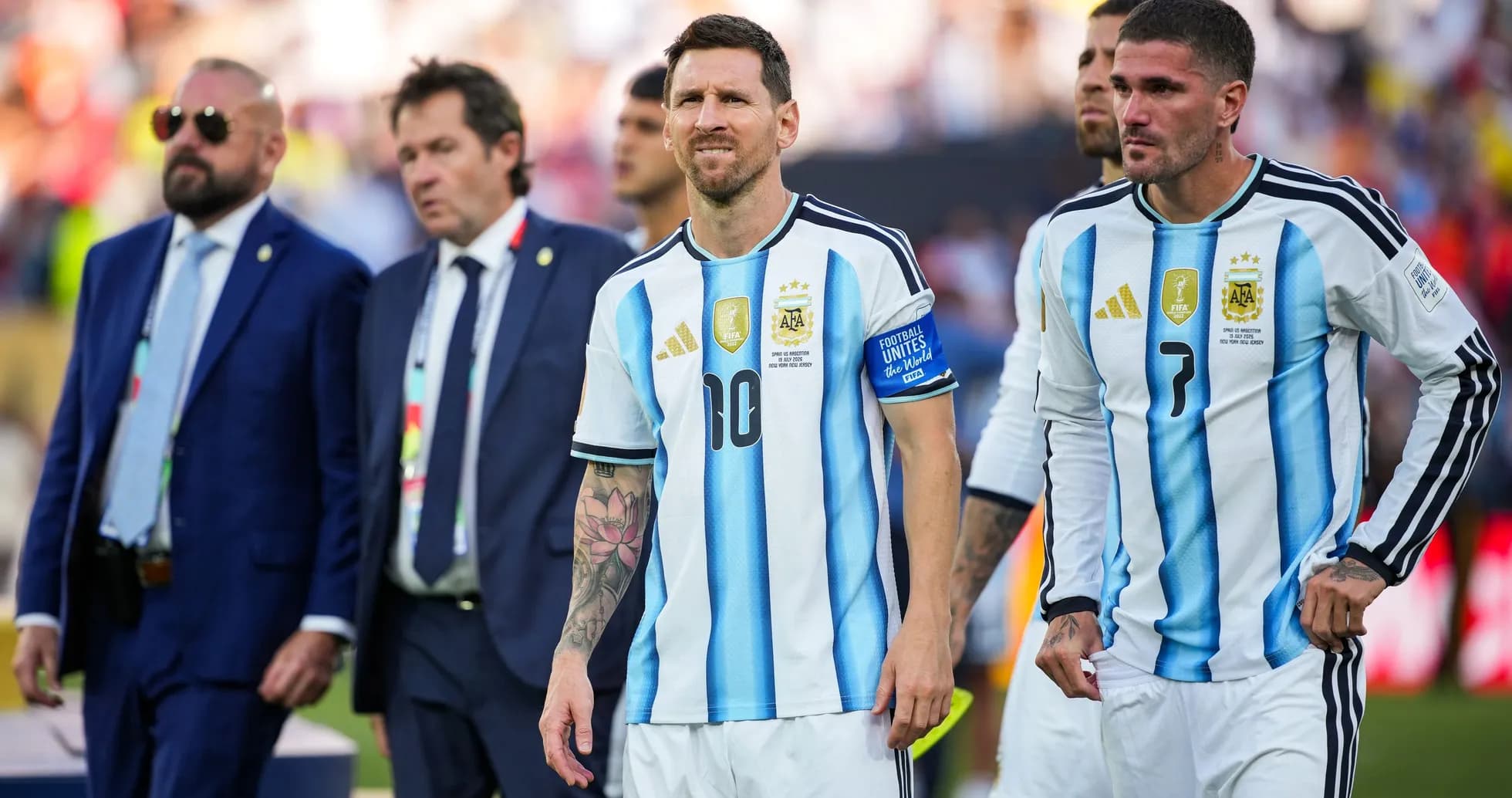
Lionel Scaloni’s side fell 1-0 to Spain in New York, undone in extra time by a Ferran Torres strike after a flat, strangely blunt performance in which the Albiceleste failed to register a single shot on target. The world champions came to defend their crown and left with runners-up medals and a sense of something unfinished.
Yet back in Buenos Aires, the political script took a sharp turn.
Milei’s Unusual Call
President Javier Milei, who pointedly chose not to attend the showpiece due to his superstitious nature, moved to hand the players an unexpected power: the right to choose a national holiday to mark their campaign.
Writing on X, he told the country: “Given the concern about the celebrations for the achievement reached by the Argentine National Team, I inform the population that, depending on what the Players and the Technical Staff decide regarding the day to celebrate, it will be declared a national holiday.”
One sentence, and the debate exploded.
In a nation that measures itself in stars above the crest, many could not fathom the idea of a public holiday for second place. Confusion spread quickly. Some wondered if it was a technical error, a miscommunication, anything but a deliberate policy.
It was not.
A Divided Public
On one side, a government keen to frame the run as a collective achievement worth pausing the country for. On the other, citizens asking a blunt question: since when does Argentina close for coming up short?
Many supporters argued that the players themselves might prefer to avoid a parade, to skip the fanfare and return quietly to their clubs. For them, the image of Lionel Messi and his team-mates waving from an open-top bus after a toothless final display did not sit easily with the ruthless standards Argentina usually sets.
The tension here is not about effort. It is about identity. Argentina is used to celebrating the summit, not the climb.
Milei Backs Messi’s Generation
Milei doubled down with a second post, this time aimed directly at the dressing room rather than the ballot box.
“Thank you so much, players. [We fought] until the end with our boots on. Argentina always at the top.”
The message was clear: this squad, led by Messi, still represents a standard of excellence, even when the trophy slips away. The president leaned into the romantic idea of a team that battles to the last minute, a narrative that has long resonated with Argentine fans.
Yet the cold detail lingers. No shots on target in a World Cup final. A title surrendered without the attacking fury that defined their triumphs in Qatar and previous eras.
The End of an Era, Ready or Not
Behind the noise about holidays and parades lies a harder football truth. This tournament looks like the last World Cup for the generation that dragged Argentina back to the top of the world.
The coaching staff now face a rapid reset. They must blood new talent, reshape a squad built for and around veterans who have given everything to the shirt and are now edging toward the exit.
Messi is expected to have played his sixth and final World Cup. At 39, the Inter Miami star has not yet confirmed he will step away from Argentina duty, but the writing feels increasingly heavy on the wall. Each match now carries the weight of a possible farewell, even if the player himself refuses to close the door.
As the country argues over whether a silver medal deserves a national holiday, a more pressing question hangs over the Albiceleste: who carries the flag when Messi and his generation finally put their boots away?