
Argentina vs Switzerland: World Cup Semifinal Showdown
Argentina’s World Cup title defense is still alive, somehow, and now it runs straight into Switzerland’s granite jaw with a semifinal place on the line in Kansas City.
This is not the serene procession many imagined for the holders. It’s chaos. It’s drama. And, as ever, it’s Lionel Messi dragging his country back from the brink.
From meltdown to miracle
Against Egypt in Atlanta, Lionel Scaloni’s side stood on the edge of elimination. Two goals down, outplayed for long stretches, and briefly 3–0 behind before a controversial VAR intervention chalked off a second Egyptian strike. When Mostafa Ziko eventually doubled the Pharaohs’ lead for real, Argentina looked broken.
They had huffed and probed without incision, their structure rigid, their attacks narrow and predictable. Then Messi flipped the script.
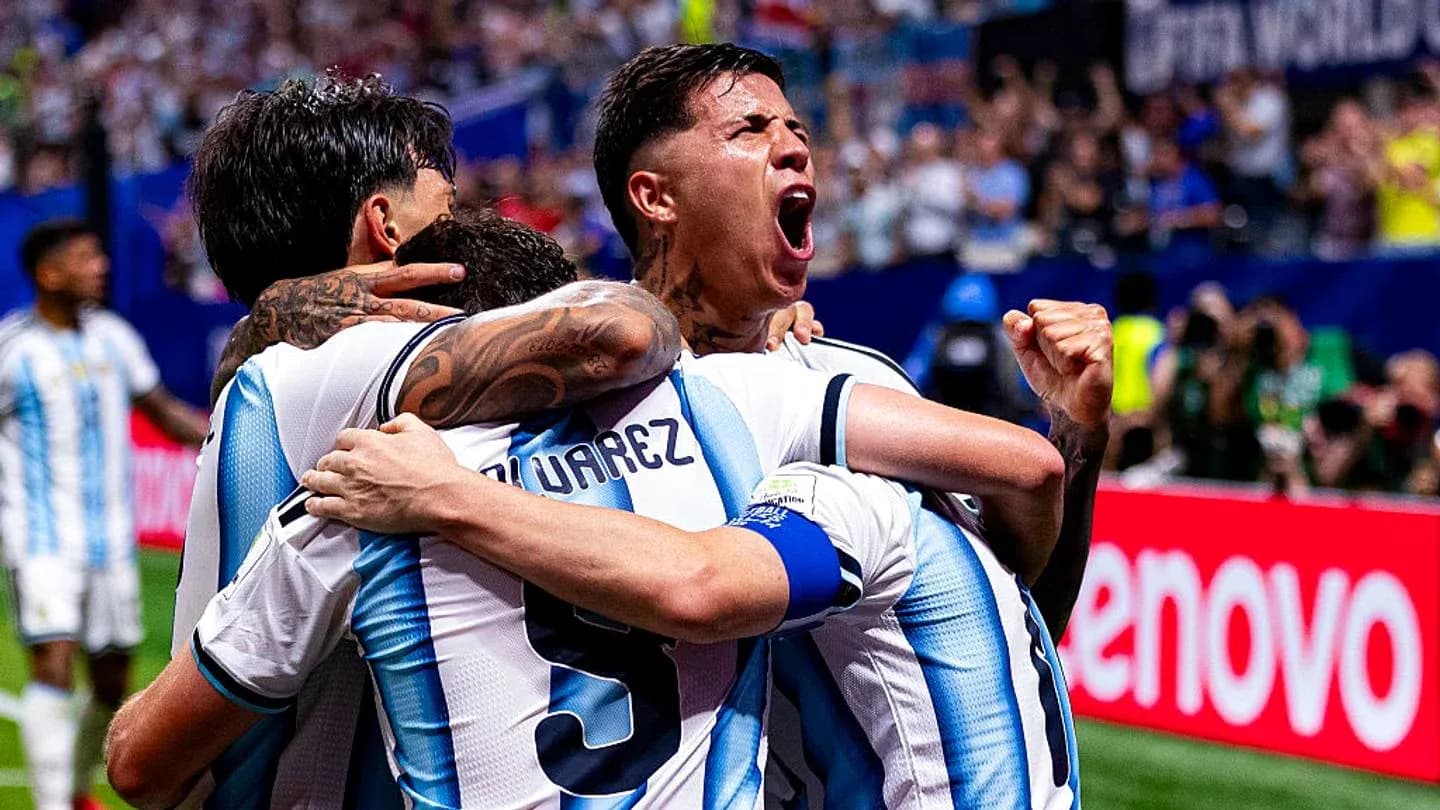
The captain first sparked the comeback by laying on the cross for Cristian Romero’s towering header, then lashed in the equaliser for his eighth goal of this World Cup and the 21st of his tournament career. At 39, with legs that no longer glide quite as easily, he still found another reserve of defiance. His tears at full time told the rest of the story: this was relief, not celebration.
Now comes Switzerland, stoic and stubborn, a team that relishes exactly the kind of emotional hangover Argentina must shake off.
A back line under examination
Scaloni is not expected to rip everything up. He rarely does. But his defense, so often a bedrock in previous tournaments, creaked badly against Egypt and now faces a very different test in the movement and power of Breel Embolo.
In goal, Emiliano Martínez remains untouchable. The Aston Villa goalkeeper has not yet produced the sort of headline-stealing heroics that defined Argentina’s last World Cup run, but no one inside the camp doubts his capacity to turn a knockout tie with a single save. He tends to leave his fingerprints on the biggest nights. North America is unlikely to be an exception.
On the right, Nahuel Molina keeps his place almost by default. Argentina are short of elite full-backs, and while Molina has endured a rough tournament, he still offers more thrust than Gonzalo Montiel. Scaloni badly needs that width on a flank that has looked sterile.
The centre-back pairing should again be Cristian Romero and Lisandro Martínez. Romero, expected to shake off a niggle, embodies the risk-reward balance of this Argentina: aggressive, front-foot, and unafraid to surge into midfield, just as he did before scoring that crucial header against Egypt. Lisandro, so important in the build-up phase, now faces scrutiny. His reading of the game is sharp, but his lack of size and the physical threat of Embolo pose a clear danger. Lose that duel, and Argentina’s entire defensive plan starts to wobble.
On the left, Facundo Medina is in line to return. Initially the first-choice left-back, he only appeared off the bench against Egypt because of a knock. If he’s close to full fitness, he should replace Nicolás Tagliafico, offering more aggression and a cleaner left foot in possession.
Midfield graft over glamour
Argentina’s midfield has rarely sparkled in this tournament, but it has survived. It may have to do more than that against a Swiss side that thrives on control and discipline.
Rodrigo De Paul will start. He always does. His role is unglamorous yet essential: covering vast swathes of grass, knitting together transitions, and shielding the right side when Messi drifts infield. He is the glue in a team that can otherwise look disjointed.
Alexis Mac Allister is likely to keep his place as well. On paper, dropping him for a more inventive playmaker might create better attacking balance, especially against deep, compact opponents. Yet Scaloni trusts the Liverpool midfielder’s reliability, his press, his timing. Loyalty has been a hallmark of this regime, and Mac Allister is one of its beneficiaries.
Leandro Paredes offers the metronome and the bite. His contribution late on against Egypt, when he made a vital intervention at the start of stoppage time to prevent a potential winner for the African side, should not be overlooked. Those moments rarely make the highlight reels, but they keep campaigns alive.
Enzo Fernández, operating nominally from the left of midfield, remains a puzzle. His quality is obvious, his range of passing undeniable, yet the lack of natural width around him has cramped Argentina’s attacks in the knockout phase. Nico González waits as the obvious solution, a true winger who can stretch the pitch, but Scaloni seems set to keep him as an impact option from the bench.
So the narrow shape stays. The risk: Argentina again funnel attacks into crowded central zones. The reward: more control of the ball, more touches for Messi between the lines.
Messi, Lautaro and the burden of rescue
Up front, Argentina will once more look to the familiar partnership of Lionel Messi and Lautaro Martínez.
Messi struggled for long stretches against Egypt. His touch deserted him at times, his influence dulled by tight marking and limited movement ahead of him. Then, when elimination loomed, he ignited. The assist, the equaliser, the emotional release. This is still his team, his tournament, his burden.
Lautaro Martínez, likely to start with Julián Álvarez still not fully right after an ankle injury, brings a different edge. He changed the tone off the bench last time out, offering sharper runs and a more direct threat in the box. Switzerland’s back line will not give up space easily; Lautaro’s movement will have to pry open gaps that have not yet appeared.
This is not the free-flowing Argentina of fantasy. It is a side leaning on resilience, on big personalities, on moments. The structure has flaws, the performances have wobbled, but the champions are still standing.
Kansas City will reveal whether that’s because of destiny, or simply because Lionel Messi refuses to let this story end.





