Argentina Overcomes England in Tactical Semi-Final Showdown
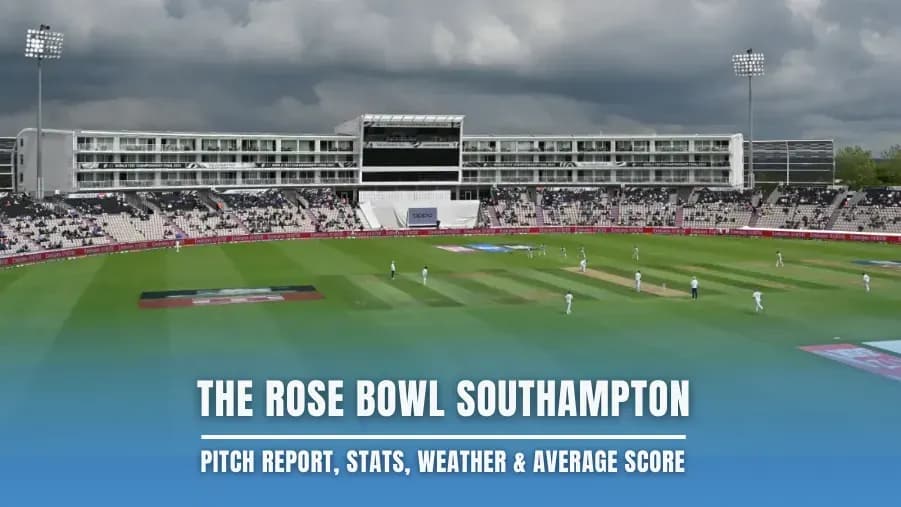
England’s 4-2-3-1 under T. Tuchel was built for vertical transitions, but across 90 minutes at Mercedes-Benz Stadium it was structurally out-possessed and eventually overrun by Argentina’s 4-4-2. The statistical profile is stark: 36% possession, 324 passes and just 5 total shots for England against Argentina’s 64% possession, 590 passes and 15 shots. England’s plan hinged on compactness, counter-attacking bursts through the line of Morgan Rogers, Jude Bellingham and Anthony Gordon, and the penalty-box presence of Harry Kane, while Argentina used a ball-dominant, patient structure with Lionel Messi and Julián Álvarez as the reference points to tilt the game in the final third.
Out of possession, England’s back four of Reece James, John Stones, Marc Guéhi and Djed Spence (before the late reshuffle) sat relatively narrow, with Declan Rice and Elliot Anderson screening. The 11 fouls and single yellow card for Anderson (“Foul” at 37') underline a strategy of disrupting Argentina’s rhythm centrally rather than pressing high. England’s block largely protected the area in front of Jordan Pickford, forcing Argentina into a mix of 7 shots inside the box and 8 from outside, but the volume eventually told.
With the ball, England were direct. Only 1 corner and 5 total shots show how rarely they were able to sustain pressure. Yet their attacking pattern was coherent: win first or second balls, find Bellingham between lines, then release Gordon or Rogers quickly. The opening goal at 55' encapsulated this: Anthony Gordon finished a transition move assisted by Morgan Rogers, one of just 2 shots on goal England produced all night. Their xG of 0.53 accurately reflects a game of few, but relatively clean, chances.
Argentina's Structure
Argentina’s 4-4-2 had clear asymmetries. Nahuel Molina and Nicolás Tagliafico provided width from full-back, with Enzo Fernández and Alexis Mac Allister stepping inside to connect with Messi. Leandro Paredes anchored circulation until his 64' substitution, after which Nicolás González entered and Argentina tilted even more aggressively towards England’s half. The substitution wave at 72' — Gonzalo Montiel for Molina, Rodrigo De Paul for Giuliano Simeone, and Nicolás Otamendi for Lisandro Martínez — effectively transformed the shape: fresher legs at full-back and centre-back allowed a higher defensive line, while De Paul’s introduction added vertical running and aggression between England’s lines.
The disciplinary data reinforces Argentina’s assertive posture: 15 fouls and 3 yellow cards, two for defenders (Lisandro Martínez and Cristian Romero, both for “Foul”) and one for Rodrigo De Paul (“Argument” at 90+4'). This was a side willing to defend on the front foot, accept duels, and squeeze England’s build-up. Their 6 corners to England’s 1 show how consistently they pinned England back, especially in the final half-hour.
Goalkeeping Performances
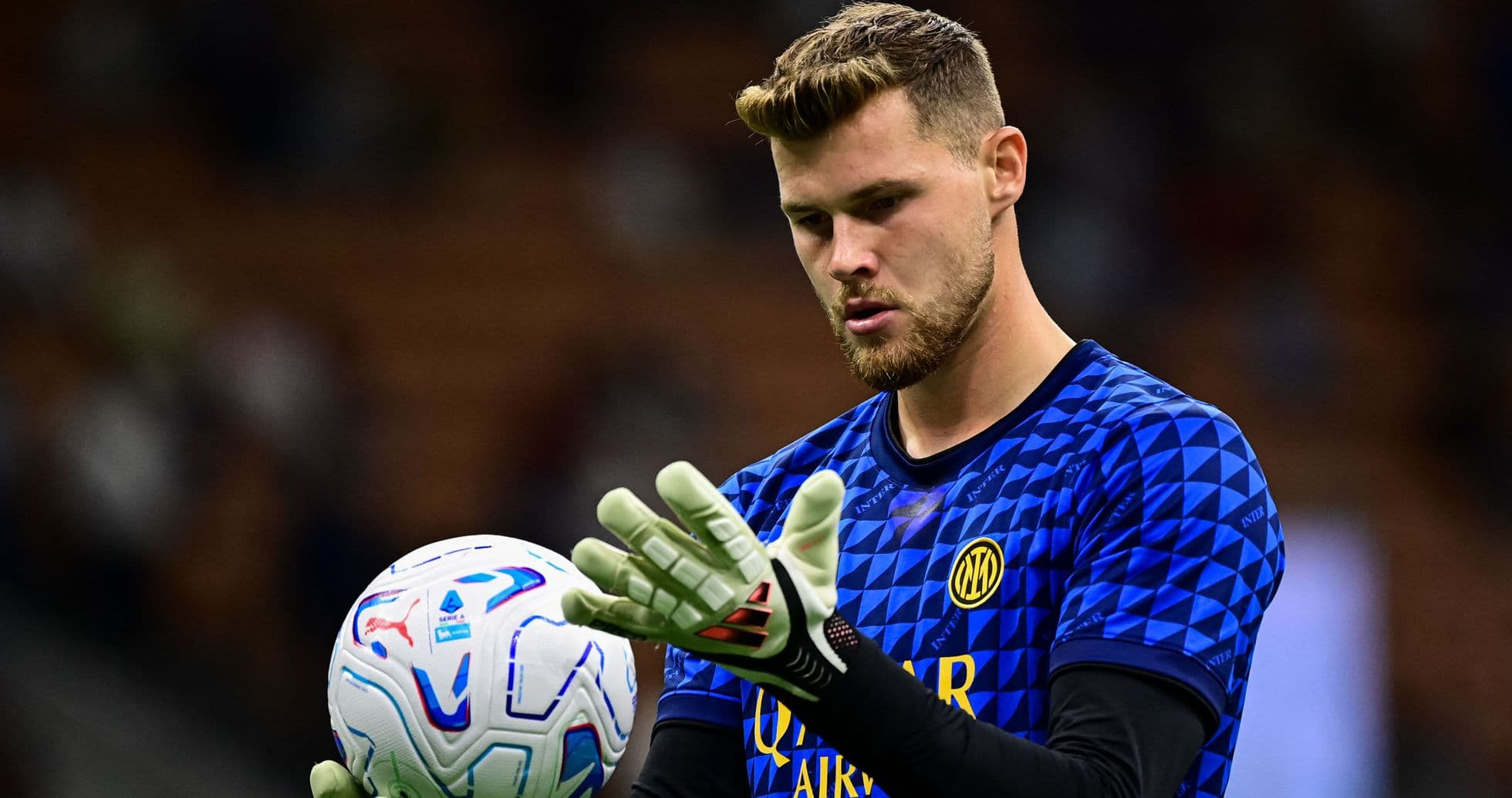
In goal, Jordan Pickford (England) was busy but not overwhelmed: 3 saves against 5 shots on target, with 0.02 goals prevented. That figure suggests that while he made the stops he was expected to, he did not significantly outperform the quality of chances faced. His shot-stopping kept England in front for over 30 minutes after Gordon’s strike, but the defensive structure in front of him gradually eroded under pressure. Emiliano Martínez (Argentina), by contrast, faced only 2 shots on target and made 1 save, also with 0.02 goals prevented. His night was more about sweeping and command of area than repeated interventions; Argentina’s territorial dominance and compact rest-defense limited England’s ability to test him.
Late Game Tactics
The late-game tactical story is written in substitutions and shot volume. At 64', with Argentina still trailing, Paredes (OUT) for Nicolás González (IN) shifted them towards a more aggressive, almost 4-2-4 phase in possession, with wide runners and constant service into central zones where Messi and Álvarez operated. The quadruple change at 72' refreshed the back line and midfield engine, allowing Argentina to maintain a suffocating tempo just as England’s starting block tired. England’s response at 72' and 82' — Anthony Gordon (OUT) for Ezri Konsa, Reece James (OUT) for Dan Burn, and Declan Rice (OUT) for Nico O’Reilly — signalled a clear tilt towards protecting the lead rather than threatening a second goal. They effectively morphed from a 4-2-3-1 into a deeper, more defensive configuration, sacrificing wide pace and central progression.
Statistical Overview
Statistically, Argentina’s 1.84 xG versus England’s 0.53 underlines that the 2-1 scoreline aligns closely with chance quality. Argentina’s 15 shots, 5 on goal and 3 blocked, show layered attacking: they were able to shoot from both inside and outside the box, and to generate enough volume for variance to favour them late. England’s 5 shots (2 on goal, 2 blocked) illustrate how rare their entries were, and how much they depended on efficiency rather than volume.
The passing data completes the picture. Argentina’s 590 total passes with 537 accurate at 91% reflect a team in control of tempo, able to recycle possession and patiently probe for openings. England’s 324 passes, 272 accurate at 84%, indicate a more rushed, vertical approach, often forced long or into lower-percentage balls under Argentina’s pressure. With only 1 offside and 1 corner, England rarely pushed their line high enough or often enough to stretch Argentina’s defensive block.
In the end, this semi-final was decided by structural control and bench impact. Argentina’s superior possession game, deeper rotation and late attacking tilt overwhelmed an England side that defended stoutly for long spells but lacked the passing base and attacking variety to relieve pressure or extend their lead once ahead.