Antoine Griezmann's Emotional Farewell at Atlético Madrid
The lights stayed on long after the final whistle at the Metropolitano. The football was over; the real drama was only just beginning.
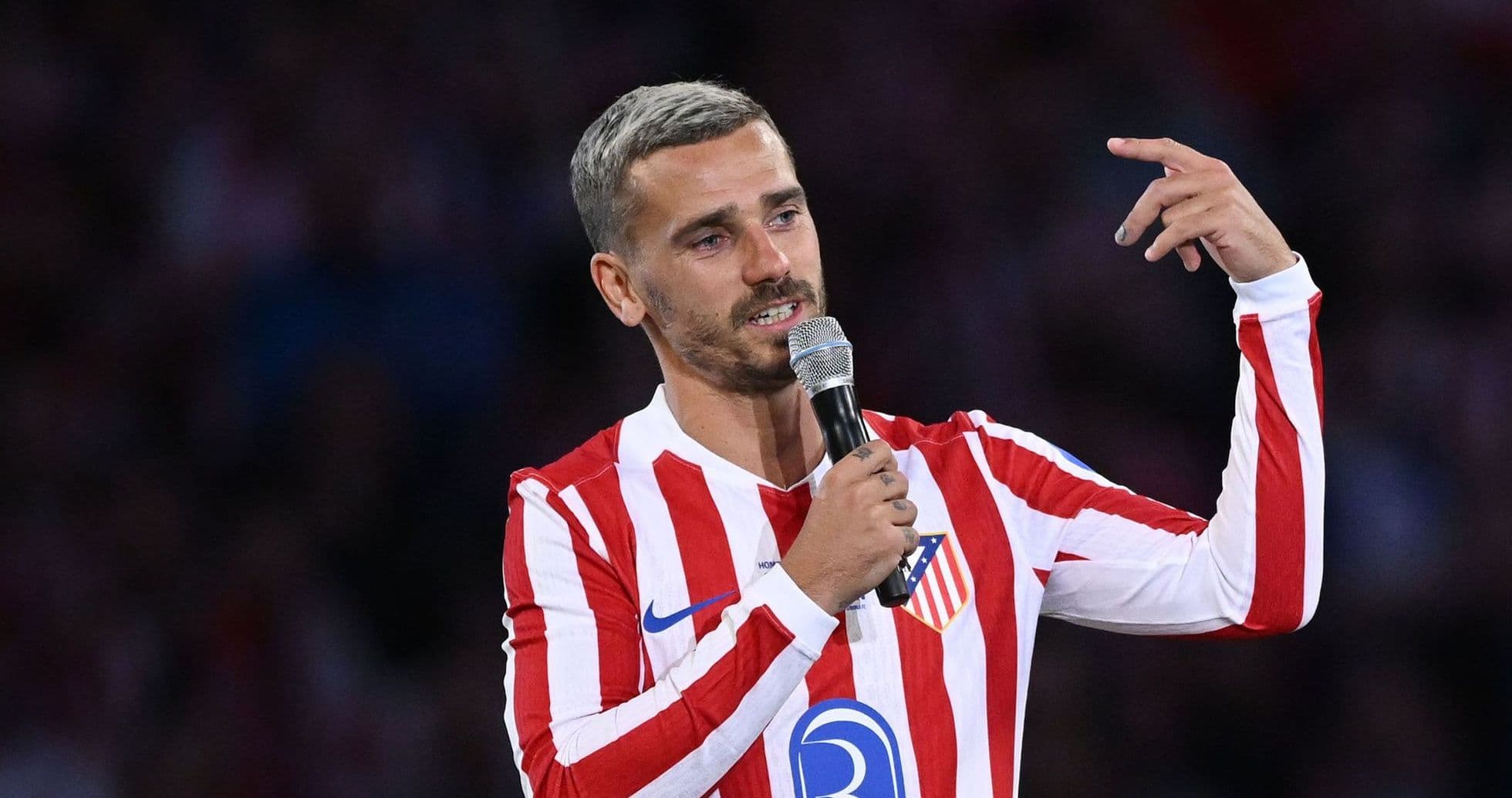
Atlético Madrid had beaten Girona 1-0, a tight, nervy win settled by a familiar left boot and an even more familiar celebration. But when Antoine Griezmann walked back onto the pitch, microphone in hand, the noise shifted. This was not about three points. This was about seven years of baggage, 500 games, and a love story that almost didn’t survive.
A Record Goalscorer, A Public Apology
He stood in front of the end that once booed his name and now sings it. Atlético’s all‑time record goalscorer. World champion. Europa League winner. Still, he felt he owed them something.
“Thank you all for staying behind. This is amazing,” he began, voice cracking slightly as the stadium fell into a hush.
Then came the part everyone knew was coming, yet still hit hard.
“This is important. I know many of you have already, and some still haven't, but I apologise again [for joining Barcelona]. I didn't realise how much love I had here. I was very young, and I made a mistake. I came back to my senses, and we did everything we could to enjoy life here again.”
Seven years on from that €120 million move to Camp Nou, Griezmann chose his farewell night to reopen the wound and stitch it properly. No excuses. No spin. Just a 35‑year‑old star admitting he got it wrong.
The response was immediate. Applause, then roars, then that familiar chant rolling down from the stands. The same crowd that once felt betrayed now saluted a man who had clawed his way back into their hearts, one goal, one sprint, one apology at a time.
More Than Missing Trophies
For all his medals, there is a gap in his Atlético story. No La Liga title with Atleti. No Champions League trophy in red and white. In an era defined by Simeone’s snarling, relentless Atlético, that absence has always hung in the air.
Griezmann didn’t hide from it.
“I haven't been able to bring home a La Liga title or a Champions League trophy, but this love is worth more,” he told the stadium. “I'll carry it with me for the rest of my life.”
It was a line that could easily have sounded hollow. It didn’t. Not on this night, not from this player, not in front of these people. The same fans who have watched him rack up 212 goals and now 100 assists for the club knew exactly what he had given them: nights of tension, nights of brilliance, nights where he looked like the best player on the planet.
The ovation that followed was not polite. It was cathartic.
Simeone and His General
If Griezmann is the face of modern Atlético on the pitch, Diego Simeone is the soul in the dugout. The bond between them has shaped an era.
Simeone did not hold back, calling him “probably the best player we've had here.” Coming from a coach who has managed some of the club’s greatest warriors, the weight of that praise was obvious.
Griezmann sent it straight back.
“Thanks to you [Simeone] there's so much excitement in this stadium,” he said. “Thanks to you I became a world champion and I felt like the best in the world. I owe you so much, and it's been an honour to fight for you.”
This was not the usual polite exchange of compliments. It felt like a captain saluting his commander one last time. Simeone had given Griezmann a stage, a structure, and a demand for sacrifice. Griezmann had given him genius within that chaos. Together, they dragged Atlético into the conversation with Europe’s elite, even if the biggest club trophies never quite landed.
A Farewell Written in Numbers and Noise
The symmetry of the night was impossible to ignore. Griezmann’s farewell ceremony came on his 500th appearance for Atlético. Of course he left a mark on the game itself, sliding the decisive pass into Ademola Lookman’s path for the winner against Girona.
An assist on the night he reached 500 games. The 100th assist of his Atlético career. One last decisive touch in a stadium that has seen so many.
It felt fitting for a player who arrived in Spain as a skinny winger at Real Sociedad and leaves as the most prolific player in Atlético Madrid’s history. The haircuts changed, the shirt numbers changed, even the club crest changed. The left foot, the work rate, the sense of occasion never did.
He is not quite done yet. Barring a surprise, Griezmann will play once more in La Liga for Atlético, away at Villarreal in the final game of the season. One last domestic outing before he crosses the Atlantic.
Orlando, MLS, and a Legacy Secured
The next chapter is already written in ink: a free transfer to Orlando City, a new life in MLS, a new league to charm. The pressure will be different. The scrutiny, too. The spotlight will follow him, but the weight of old decisions will not.
What he leaves behind in Madrid is heavier than any trophy he never lifted.
He departs with 212 goals, 100 assists, 500 appearances, and something less tangible but more powerful: a relationship rebuilt in public, in real time, after a very public rupture. He had to win them back. He did. Not with slogans, but with sweat, quality, and the humility to say “I was wrong.”
On a cool night at the Metropolitano, with the stands still full long after the game had ended, Antoine Griezmann walked off the pitch not as a forgiven star, not as a redeemed villain, but as what Atlético fans now call him without hesitation.
A legend.