Andrea Pirlo: A New Era for Italy's National Team
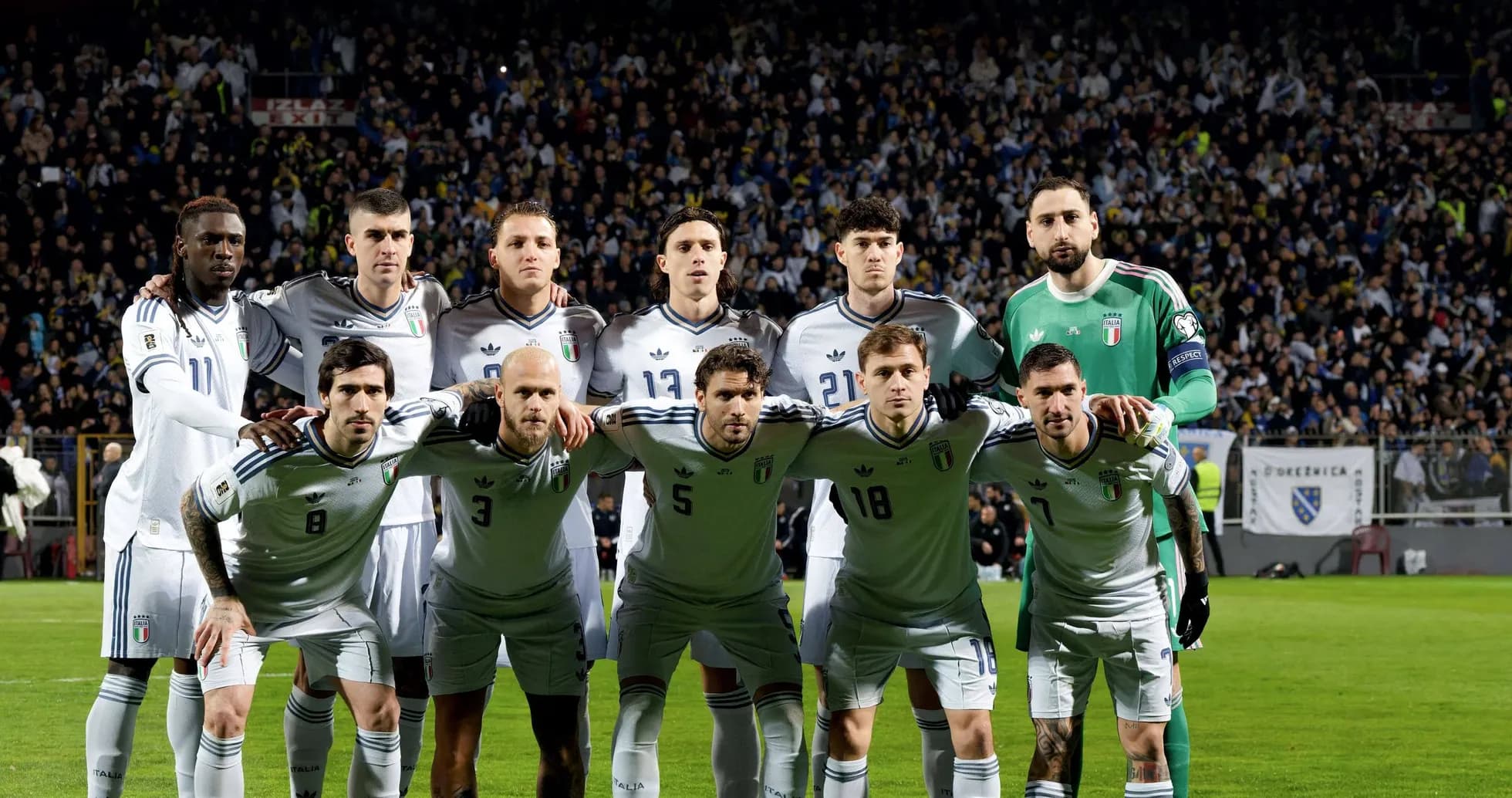
Andrea Pirlo is edging towards the biggest job of his career. From the technical area of UAE side United to the bench of the Azzurri: the jump is enormous, the timing brutal, the stakes unmistakably Italian.
According to La Gazzetta dello Sport, the Italian federation has moved decisively in his direction after Pep Guardiola turned down the chance to coach the national team. Once that door shut, Paolo Maldini and Leonardo did not spend long staring at it. They pivoted straight to Pirlo.
This is not simply a choice of name. It is a choice of era.
A new idea for Italy
Inside the Italian Football Federation, the line is clear: they want a younger coach, someone steeped in modern football, willing to listen, to collaborate, to grow inside a long-term project. That profile has pushed Pirlo ahead of more traditional candidates such as Antonio Conte and Roberto Mancini.
The federation does not just want a tactician. It wants a symbol of a new direction. Pirlo, with his calm touchline presence and tactical curiosity, fits the image of a coach ready to work within a broader structure rather than dominate it.
Not everyone is convinced.
Some critics argue he lacks the hard edge required to manage a notoriously complex Italy dressing room. The Azzurri environment can be unforgiving, with egos, club rivalries and political currents all swirling beneath the surface. Pirlo’s detractors question whether his understated personality can survive that storm.
Maldini and Leonardo are prepared to answer that question themselves.
Maldini, Leonardo and the power behind the bench
Giovanni Malagò, president of the Italian Olympic Committee, has handed Maldini and Leonardo a central role in shaping the national team’s future. They are not just advisers; they are the power brokers behind the new project.
Their plan is straightforward: they will handle the heavy politics and any internal resistance. If anyone challenges Pirlo’s authority, they will feel Maldini and Leonardo first. The message is clear — the coach will not stand alone.
Talks with Pirlo have already reached what are described as “advanced stages”. He is portrayed as eager, even desperate, to throw himself into what has been framed as a revolutionary project the moment he is formally chosen.
A decisive weekend, a Tuesday target
At Coverciano and in federation offices, officials are bracing for a weekend of intense work. The federal council meets on Tuesday. Officially, that body does not appoint the coach; the statutes limit it to a consultative role.
Unofficially, it feels like the perfect stage for a reveal.
If the current pace holds, Tuesday could bring the announcement that Pirlo will lead Italy into a new cycle. The symbolism of such timing — a council gathered to discuss the future of the game, a new coach presented as the face of that future — is not lost on anyone inside the federation.
A contract to 2030 – and a project beyond it
The outline of the deal is already on the table. Pirlo is expected to sign a contract running until the 2030 World Cup. That is a long horizon by national-team standards, but Maldini’s vision stretches even further.
The project does not stop with the senior side. The plan is to rebuild Italian football from the bottom up, starting with the age groups between 12 and 13. It is an attempt to reshape the pipeline of talent, to align youth development with the demands of modern football, and to do it patiently.
The federation estimates that this reconstruction could take eight to ten years. In other words, longer than Pirlo’s initial contract. The coach is being asked not just to win matches but to act as the on-field face of a generational reset.
Money, power and expectations
On the financial side, the numbers underline the nature of the bet. Estimates suggest Mancini would have accepted around two million euros per year to return. Pirlo’s salary is not expected to exceed 1.5 million euros per season.
Italy is not paying for a finished article. It is paying for potential, for alignment with a wider vision, and for the belief that a younger coach can grow alongside a reimagined national setup.
If the deal is finalised as expected, Pirlo will walk into a job that has broken bigger reputations and heavier voices than his. He will do so with Maldini and Leonardo at his back, a federation promising structural change beneath him, and a country still wrestling with its identity after the peaks and crashes of recent years.
For a man who once dictated games with a whisper of a pass, the question now is simple: can he dictate an entire era?