Andrea Pirlo Takes Charge of Italy Amid Football Crisis
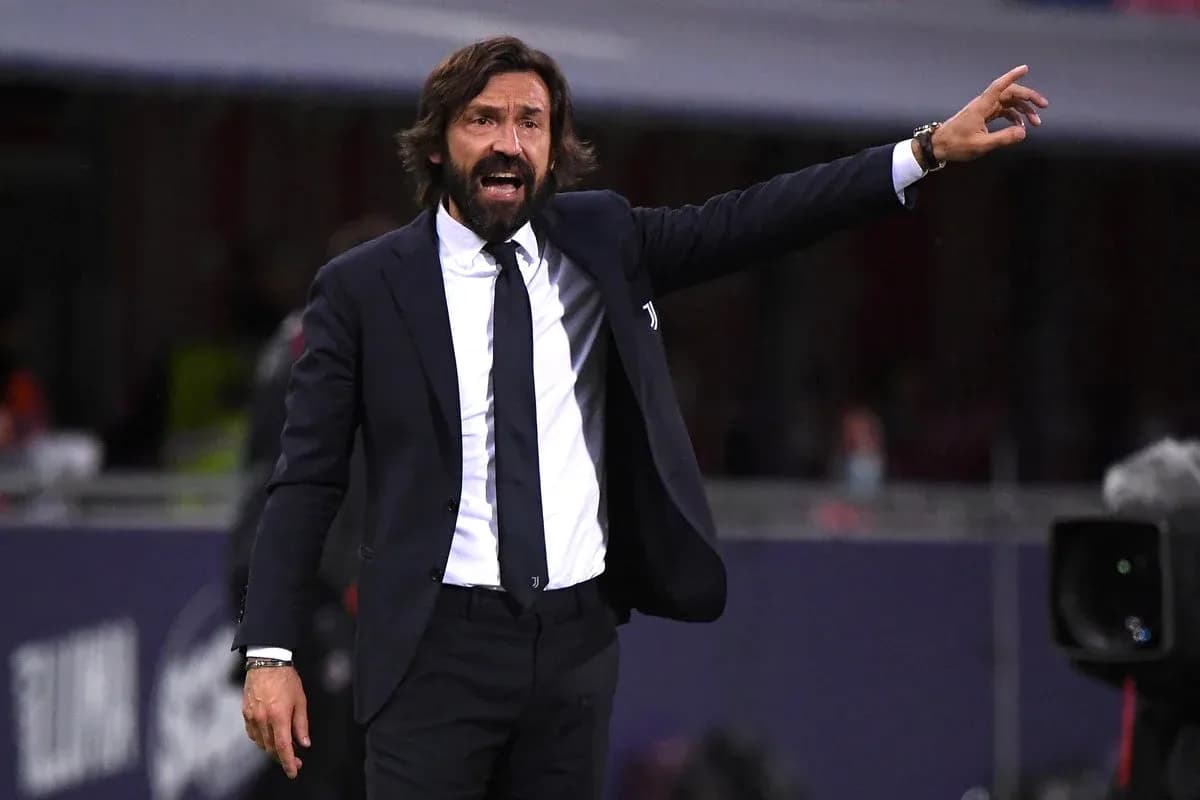
Italian football is going back to one of its most elegant conductors. According to local reports, Andrea Pirlo will be appointed as the new Italy head coach, a bold, nostalgic and risky move rolled into one.
The 45-year-old, who orchestrated Italy’s 2006 World Cup triumph from midfield, is expected to sign a four-year deal that would carry him through to the 2030 World Cup, as reported by La Repubblica. It marks the most significant decision yet in a sweeping attempt to drag the national team out of one of the darkest periods in its modern history.
From maestro on the pitch to man in the dugout
Pirlo’s playing résumé hardly needs retelling. Inter Milan, AC Milan, Juventus. Champions League titles. A World Cup. The regista who slowed games down while everyone else panicked.
His coaching career, though, has been far less romantic.
He began at Juventus, thrown straight into one of the most pressurised jobs in European football. After Turin came Sampdoria, then a spell at Turkish side Fatih Karagumruk. Now he is in charge of Dubai United, a left-field stop that underlined how far he had drifted from the European spotlight.
Italy are betting that the mind which once controlled games from 40 yards deeper can now control tournaments from the touchline.
A nation at a low ebb
The timing underlines the desperation. Italian football is in what many inside the game regard as its most profound crisis for decades. The national team, four-time world champions and once a near-permanent fixture at the latter stages of major tournaments, has failed to qualify for three consecutive World Cups.
That failure cost Gennaro Gattuso his job in April. His resignation left not just a vacancy, but a vacuum, exposing the cracks in a youth development system that has badly eroded in a country where football still dominates the national psyche.
Pirlo walks into more than a coaching role. He walks into a reconstruction project. The federation sees this appointment as the first visible step in rebuilding a talent pathway that has thinned alarmingly, even as Serie A continues to produce drama and storylines.
The question is whether a coach still learning on the job can be the architect of such a reset.
Guardiola says no, Italy turns to its own
The choice of Pirlo comes after Italy’s ambitious pursuit of Pep Guardiola hit a dead end.
Italian football federation president Giovanni Malagò confirmed this week that talks had taken place with the former Manchester City manager. The idea was audacious: lure the man who reshaped Barcelona, Bayern Munich and City, and ask him to do the same for a broken national team.
Sky Italy reported that Guardiola ultimately rejected the role for “personal reasons that go beyond football”. Before leaving City, he had already spoken of a lack of “energy” and hinted he would step away from the dugout “for a while” — words that echoed those of his long-time rival Jürgen Klopp when the German left Liverpool.
With Guardiola out of reach, Italy pivoted. If they could not import a visionary, they would anoint one of their own.
Klopp recharged, Germany reset
While Italy searched, Germany moved with clarity.
On Friday, Klopp, 59, was unveiled in Frankfurt as the new head coach of the German national team, his first job since walking away from Liverpool two years ago. This time, he insisted, the batteries are full again. He has signed a four-year contract that will take him through Euro 2028 and the 2030 World Cup.
“The national team brings us Germans together like almost nothing else can. That's what makes this task so special for me,” Klopp said at his presentation, underlining the emotional pull of the job.
Germany, like Italy, have been wrestling with their identity in recent tournaments. The difference is stark: they now have a proven tournament-level manager with a clear blueprint and a track record of rebuilding clubs from the ground up.
Italy have Pirlo — a legend as a player, a question mark as a coach.
A gamble wrapped in romance
This is where the romance collides with reality.
Pirlo’s name still carries enormous weight in Italy. His image, head slightly bowed, beard neatly trimmed, dictating tempo in Berlin in 2006, remains burned into the country’s football memory. For a federation looking to reconnect with the public after repeated humiliation, appointing a national icon has obvious appeal.
Yet this is not a ceremonial role. Italy are not hiring a mascot; they are entrusting their future to a man whose managerial career has been uneven and, at times, underwhelming.
The task in front of him is brutal. Restore belief in a bruised dressing room. Modernise a tactical approach that has drifted behind Europe’s elite. Push for structural change in youth development, in a landscape where clubs often prioritise short-term results over nurturing Italian talent.
He will have to do all of that under the glare of a fanbase that still expects Italy to compete for trophies, not merely qualify for tournaments.
The stage is set: Klopp and Germany already marching towards 2028 and 2030 with a proven leader; Guardiola on the sidelines, resting; and Italy turning back to a familiar face, hoping that the man who once dictated their rhythm with a ball at his feet can now do the same with a nation at his back.
If Pirlo fails, the crisis deepens. If he succeeds, he doesn’t just revive a team — he rewrites the next chapter of Italian football.