World Cup VAR Decisions: Iran's Disallowed Goal and Ngoy's Red Card Explained
The video assistant referee (VAR) has sparked debate across leagues globally, from the Premier League to Champions League, and now features heavily in this year's 104-match FIFA World Cup. How are VAR decisions made, and do they stand up under scrutiny? We analyze some pivotal moments through the lens of VAR protocols and football laws.
Iran vs Belgium: Disallowed Goal and Ngoy's Red Card
Match Officials: Referee Darío Herrera; VAR Hernán Mastrángelo.
25th Minute - Iran Goal Ruled Out for Offside
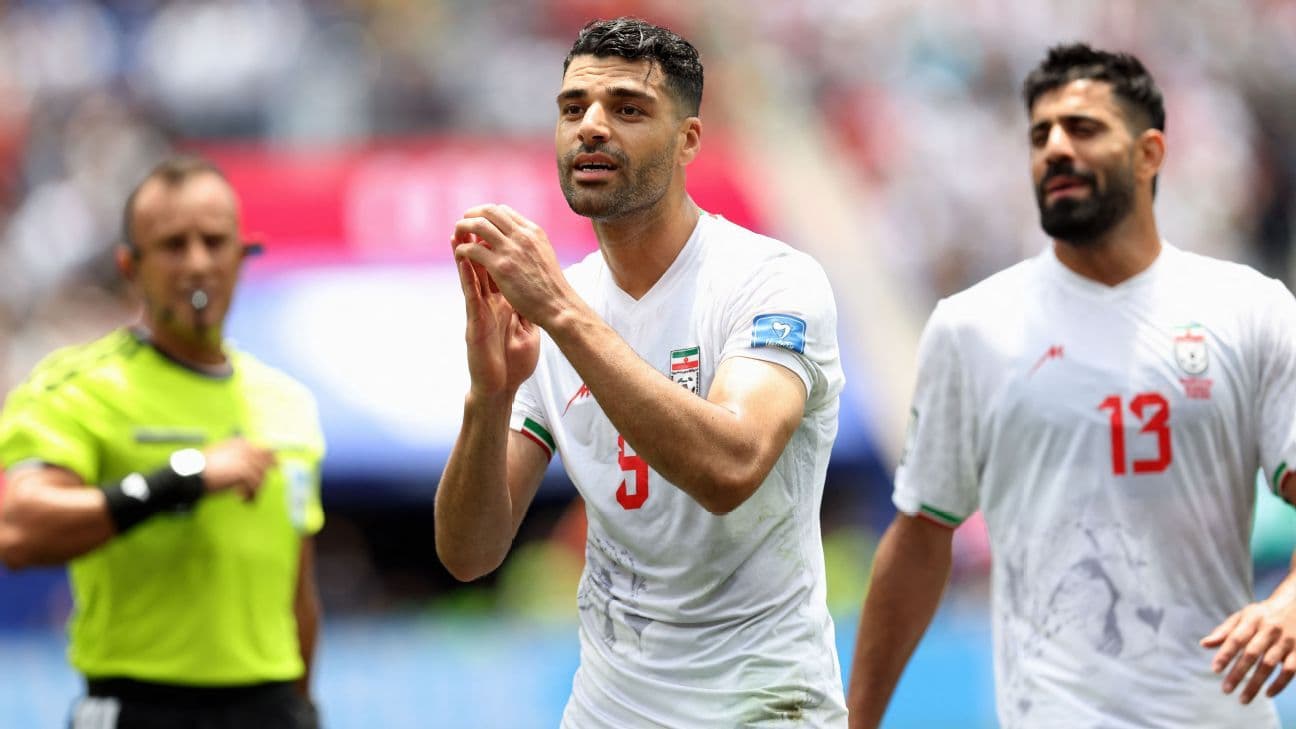
Mehdi Taremi appeared to have opened the scoring for Iran with a clever free-kick finish reminiscent of previous World Cup set pieces. Yet after an extended VAR review, the goal was disallowed due to Taremi being marginally offside when the ball was played. Notably, it was his backside crossing the line while facing away from goal that sealed the call.
The lengthy review stirred discussion given today's technology, but with multiple players involved and the need for a manual check, the decision to disallow the goal was ultimately correct.
66th Minute - Nathan Ngoy Sent Off for Denying a Goal-Scoring Opportunity (DOGSO)
Belgium defender Nathan Ngoy mishandled a pass high upfield, then fouled Taremi as he looked likely to break through on goal. The referee issued a straight red for DOGSO, a decision confirmed by VAR without hesitation.
This situation highlights how a defender’s miscontrol in advanced areas raises flags for DOGSO. Crucial factors include the location of the foul, attacker’s intent and position, presence of other defenders, and goalkeeper’s placement. Although some questioned Taremi’s proximity to goal, all conditions for a red card were met here.
Other Noteworthy VAR Incidents During the Tournament
- Paraguay vs Türkiye - Miguel Almiron Red Card: Almiron was sent off for covering his mouth in a heated exchange, a new IFAB rule aimed at curbing hidden abusive language during confrontations.
- USA vs Australia - Alex Freeman Goal Confirmed: After an initial offside flag, VAR showed Freeman was onside, validating the goal. Australia's claim of interference with their goalkeeper was dismissed as no impact occurred.
- Canada vs Qatar - Homam El Amin Red Card and Penalty Overturned: A penalty initially awarded was changed to a free kick outside the box, with El Amin receiving a red for denying a clear scoring chance. The clarity offered by VAR freeze frames was decisive.
- England vs Croatia - Penalty Awarded and Retaken: Luka Modric fouled Noni Madueke, leading to a penalty. Harry Kane’s first attempt was saved but retaken due to encroachment by defenders, consistent with updated penalty encroachment rules.
- Argentina vs Algeria - Messi’s Tackle Reviewed: Lionel Messi’s studs-on-calf challenge was deemed a foul but no card issued. Many felt it warranted a red, given the force and contact involved.
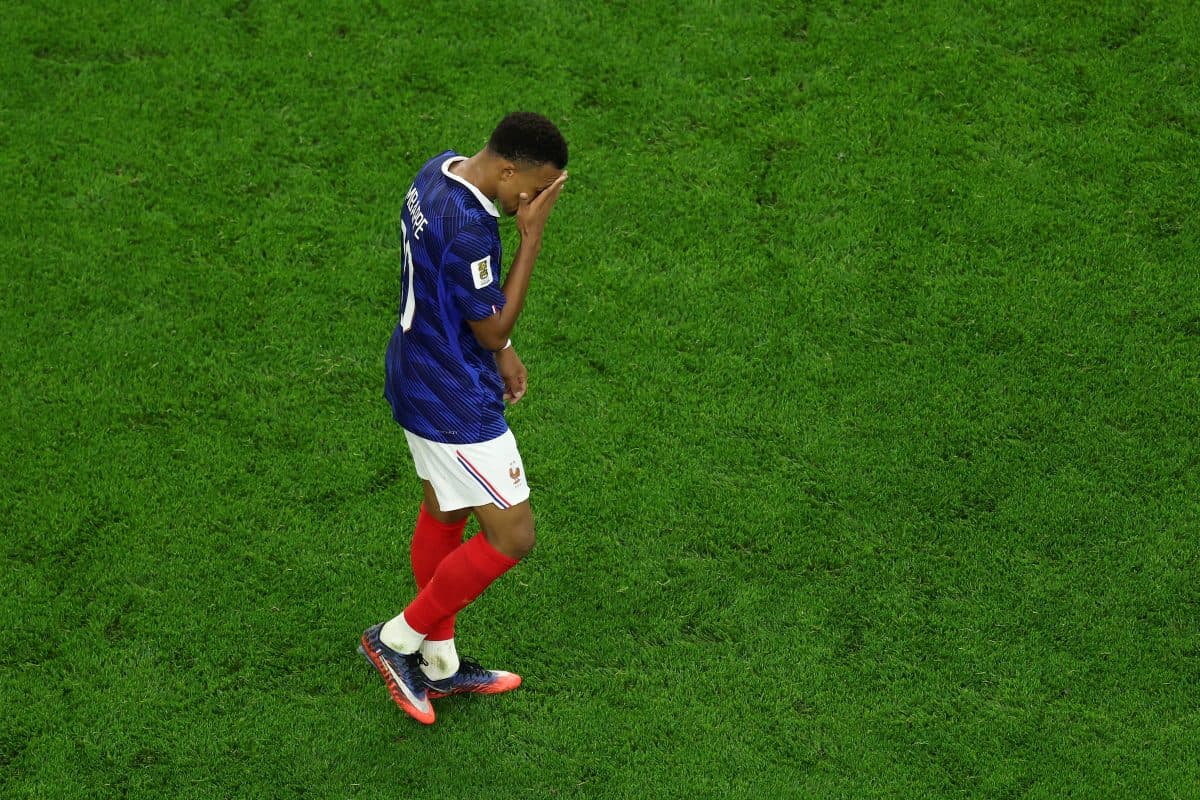
- France vs Senegal - Mbappé Penalty Appeal Denied: Despite a late lunge by Sadio Mané, the referee upheld the no-penalty call after an on-field review, citing that Mbappé initiated contact.
- Sweden vs Tunisia - Goal Allowed via Ball Tracking Technology: A goal initially ruled offside was reversed thanks to Adidas’ Connected Ball Technology detecting a subtle touch that reset the play.
- Switzerland vs Qatar - Semi-Automated Offside Tech Failure: A glitch prevented offside graphics during a crucial moment, forcing VAR to manually check player positions. FIFA acknowledged the issue but maintained the on-field decision was correct.
- USA vs Paraguay - Mistaken Identity Corrected: Tim Ream’s yellow card was rescinded and given to Miguel Almirón for simulation after a VAR review, applying new laws allowing such corrections.
- Mexico vs South Africa - Multiple Red Cards Issued: South Africa’s Sphephelo Sithole and Themba Zwane received reds for denial of goal-scoring opportunity and violent conduct respectively. Mexico’s César Montes also got a red for DOGSO, though the latter decision sparked debate over whether it truly was an obvious scoring chance.
Insights From Former Elite Referee Andy Davies
"The right calls were generally made, even if some took longer than fans might expect. Some decisions, like Messi’s tackle or the Mbappé penalty, remain contentious and could influence future interpretations."
Understanding VAR’s role in these matches means appreciating the complexity behind split-second judgments and the evolving nature of football laws. These examples reveal how technology supports referees but cannot erase all controversy.