World Cup Knockout Stage Preview: Key Matches to Watch
The World Cup sharpens its edge this weekend. The pleasantries of the group stage are gone; four days, eight ties, no margin for error. One bad half and a four‑year cycle disappears.
Here are the last‑16 clashes that demand attention.
Canada vs Morocco
July 4, Saturday, Houston Stadium – 17:00 GMT
Canada’s World Cup story once ran straight into Yassine Bounou and stopped there.
They remember Qatar. A 2-1 defeat, Bounou unmovable, and the Canadians on a plane home. They had tried to bring him into their own setup years earlier – Benito Floro made the call, Montreal roots were mentioned – but the goalkeeper chose Morocco. That decision still echoes now.
This time, Canada arrive with something they lacked then: belief built on wins, not just optimism. Two victories in the group stage have changed their posture. They no longer look like tourists.
Jesse Marsch has pushed his side higher and wider. The plan is clear: Tajon Buchanan stretching teams on the right, Alphonso Davies unleashed from full-back into a more advanced role on the left. Davies, back from a hamstring injury and with minutes under his belt after returning against South Africa, gives Canada a surge of pace and daring that few defences enjoy facing.
In midfield, Marsch has been forced into another adjustment. Nathan-Dylan Saliba steps in for Ismael Kone, who suffered a broken leg against Qatar. It’s a reshuffle that could tilt Canada slightly more towards control than chaos, but the intent remains aggressive.
Morocco arrive with a different kind of tension. Their attempt at an attacking reboot has not fully caught fire, yet they walk into every knockout knowing they hold a trump card: Bounou. The Atlas Lions can afford to grind, to stay compact, to wait. If they drag the tie to penalties, they trust their goalkeeper to finish the job.
There is a looming shadow over this match, too. The winner is likely to run into France in the quarterfinals. First, though, someone has to find a way past Bounou – or, in Canada’s case, finally solve the man they once tried to claim as their own.
France vs Paraguay
July 4, Saturday, Philadelphia Stadium – 21:00 GMT
Paraguay have a habit of turning into France’s awkward memory.
In 1958, they led in the second half before being swept away 7-3. In 1998, they pushed France into extra time, where it took a golden goal from Laurent Blanc to break them. La Albirroja rarely go quietly.
This French side, however, is not in the mood for historical complications. They are running through opponents. They look like a team that has found its stride at exactly the right moment.
Paraguay showed their resilience by choking Germany’s attack, defending deep and in numbers. That kind of discipline will be tested to its limits against Kylian Mbappe. His speed does not just stretch back lines; it shreds the space behind them and forces defenders into choices they don’t want to make.
France will not simply rely on Mbappe’s bursts. They will drive straight through the middle. Michael Olise and Adrien Rabiot orchestrate there, pulling strings, drifting into pockets, drawing markers out of shape. With wingers holding width and Theo Hernandez charging from deep, the French can attack from all angles.
Olise, Rabiot and Hernandez will not hesitate to shoot from distance either. Paraguay’s back line, led by Gustavo Gomez, must decide whether to step up and risk Mbappe’s runs or sit back and invite a barrage from range.
History says Paraguay can make France sweat. Current form says Les Bleus might not give them time to settle.
Brazil vs Norway
July 5, Sunday, New York/New Jersey Stadium – 20:00 GMT
There are very few nations that can look Brazil in the eye and say, truthfully, “We’ve never lost to you.”
Norway can. Two wins, two draws. A small sample, but a stubborn one. And right at the heart of it sits that 1998 World Cup night, when a late penalty from Kjetil Rekdal stunned Brazil and sent the Norwegians through.
The controversy of that decision still lives in Brazilian memory. US referee Esse Baharmast saw a foul that many in real time did not, awarded the penalty, and Norway flipped the group. Brazil still topped it, but Norway’s win nudged them past Morocco and into the knockouts, where Italy finally halted them.
Norway have not been back on this stage since. This is only the second time they have reached the elimination rounds. Yet they carry a peculiar authority in this fixture: a record that refuses to bow.
Brazil, though, are hunting for ignition. Their group-stage performances flickered without fully burning. The spark may have arrived from the bench against Japan, when Endrick stepped on and changed the tone. He is smaller than the towering Norwegian defenders he will face, but his timing, movement and fearlessness could be decisive.
Norway will lean on their physicality, organisation and that old psychological edge. Brazil will lean on the idea that history is there to be rewritten. One of those stories will crack.
Mexico vs England
July 5, Sunday, Mexico City Stadium – 00:00 GMT on Monday
Altitude versus attitude. Juan Carlos Osorio framed it perfectly.
Mexico City sits 2,240 metres above sea level, and Mexico know every contour of that advantage. So far in this World Cup, playing in Guadalajara and Mexico City, they have gone 4-0-0 with an 8-0 goal difference. Opponents haven’t just been beaten; they’ve been suffocated.
El Tri set the tempo with the ball. Their possession game is not slow; it is sharp, angled, designed to move rivals side to side until the lungs burn. Up front, Raul Jimenez and Julian Quinones have found a rhythm. The Colombia-born forward has slotted in seamlessly, linking with Jimenez and giving Mexico a cutting edge to match their control.
England step into a city that has never really warmed to them. Their overall record against Mexico is strong – six wins, two losses, one draw, including that 2-0 win at Wembley in the 1966 World Cup – but in Mexico City itself they have yet to win (two defeats, one draw). One of those defeats came wrapped in World Cup mythology: Diego Maradona’s Hand of God.
This time, they bring Harry Kane. They also bring a different kind of preparation. Thomas Tuchel, looking to blunt the altitude effect, chose to arrive as close to kickoff as logistics allowed, hoping to limit the time players’ bodies have to feel the thin air. FIFA, meanwhile, weighed moving the start time because of potential storms. The conditions are part of the contest.
England must find a way to impose themselves without burning out. Mexico will try to run them off the pitch. The prize is enormous: a quarterfinal against Brazil or Norway. Survival in Mexico City could define an entire campaign.
USA vs Belgium
July 6, Monday, Seattle Stadium – 00:00 GMT on Tuesday
USA keep asking the same question of themselves: are they ready to be taken seriously at this level?
Their answer against Bosnia-Herzegovina was emphatic on the scoreboard – a 2-0 win, their first World Cup victory over a UEFA side since 2002 – but it came at a cost. Folarin Balogun’s suspension strips Mauricio Pochettino of his first-choice striker at the worst possible moment.
Depth up front is thin. The decision is now binary: Ricardo Pepi or Haji Wright. Both offer different profiles, neither carries Balogun’s recent form. Pochettino will have to be inventive with his attacking structure.
Belgium know all about improvisation. Against Senegal, they stared at a two-goal deficit and a looming exit. Rudi Garcia responded with one of the boldest tactical calls of this World Cup: he removed Kevin De Bruyne and Jeremy Doku, introduced Dodi Lukebakio and holding midfielder Nicolas Raskin, and watched the game flip. The comeback did not truly ignite until the 86th minute, but once it did, Belgium surged.
This is a small country with a huge hold over USA in football terms. Since their first World Cup meeting in 1930, Belgium have beaten the Americans six times in a row. That streak hangs over this tie like a weight.
USA see it as a target. End it, and they don’t just reach a quarterfinal – they shed a piece of history. Waiting there will be Portugal or Spain. First, they must break a pattern that has lasted nearly a century.
Portugal vs Spain
July 6, Monday, Dallas Stadium – 19:00 GMT
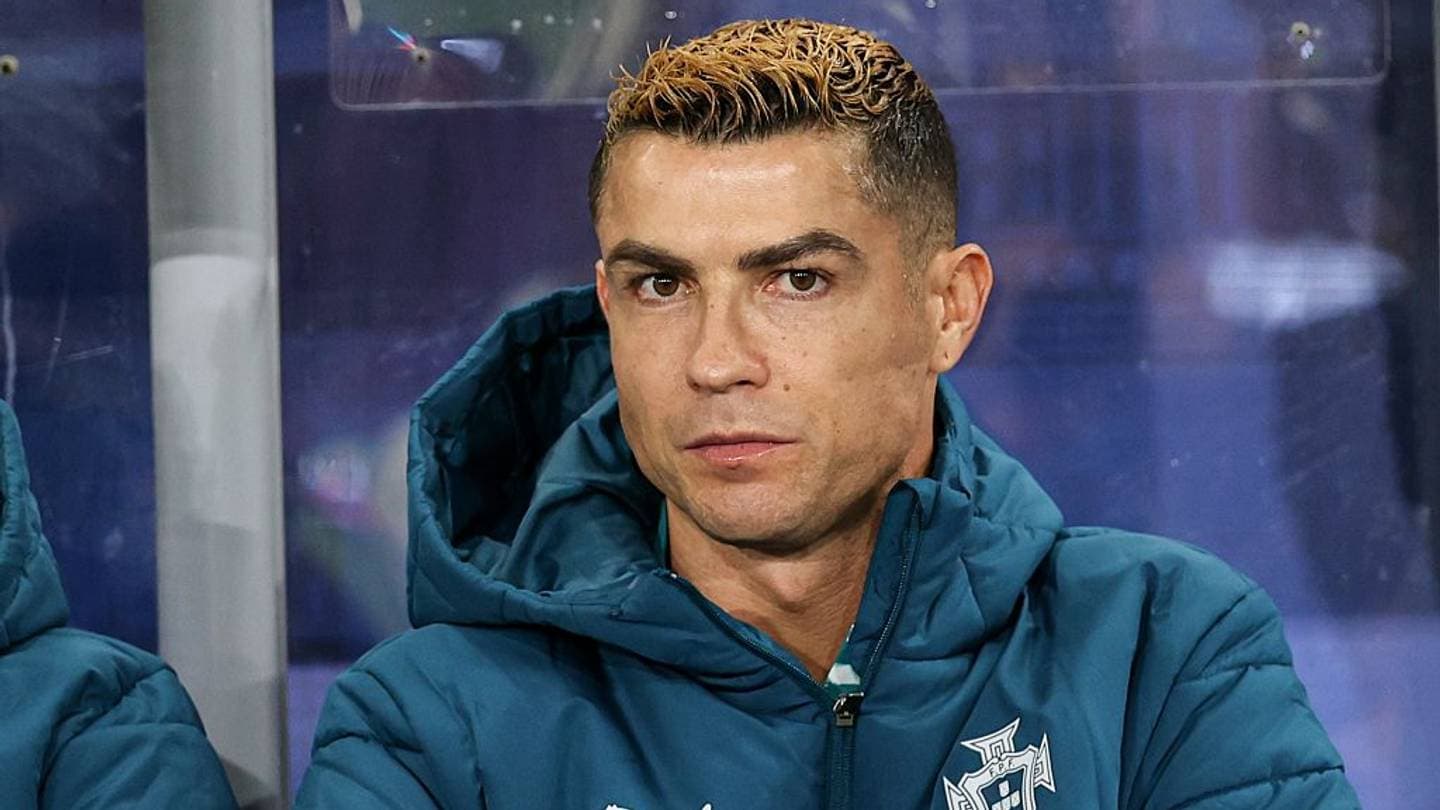
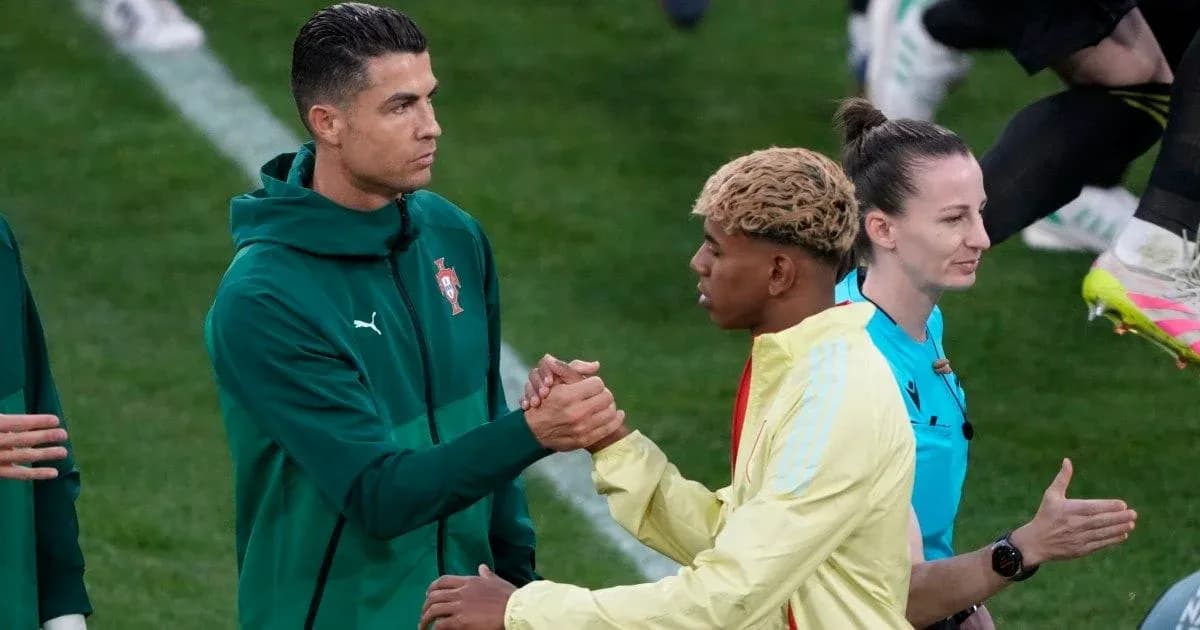
Portugal hired Roberto Martinez for nights exactly like this: high stakes, fine margins, familiar opponents.
He has coaxed sharp performances from Cristiano Ronaldo during this tournament, but his most telling decision so far came in the tense win over Croatia. With the game in the balance, Martinez did not hesitate. Ronaldo came off. Bruno Fernandes and Vitinha had already been withdrawn. Portugal still found a late winner.
That willingness to change even his biggest names sends a message into this Iberian showdown.
Spain arrive humming in attack. Dani Olmo drives them from midfield, slipping between lines, dictating tempo. Lamine Yamal, still finding his feet at this level, is beginning to look comfortable, while Mikel Oyarzabal has supplied the finishing touch that every possession-heavy side craves.
There is deep history between these neighbours on this stage. In 2010, Spain shut down Ronaldo and edged Portugal 1-0 on their way to lifting the trophy. Eight years later, Ronaldo struck back with a hat trick in a wild 3-3 draw, a game that never seemed to catch its breath.
This tie feels like another chapter in that rivalry rather than a standalone match. Martinez’s management of Ronaldo’s minutes, Spain’s growing fluency, Portugal’s capacity to strike late – all of it feeds into a contest that could tilt either way in a single moment.
The World Cup’s business end has arrived. Now the giants, the upstarts and the nearly-men all share the same reality: one match, one slip, and the dream is gone.