World Cup 2026 Knockout Drama: Extra Time and Penalty Shootout Details
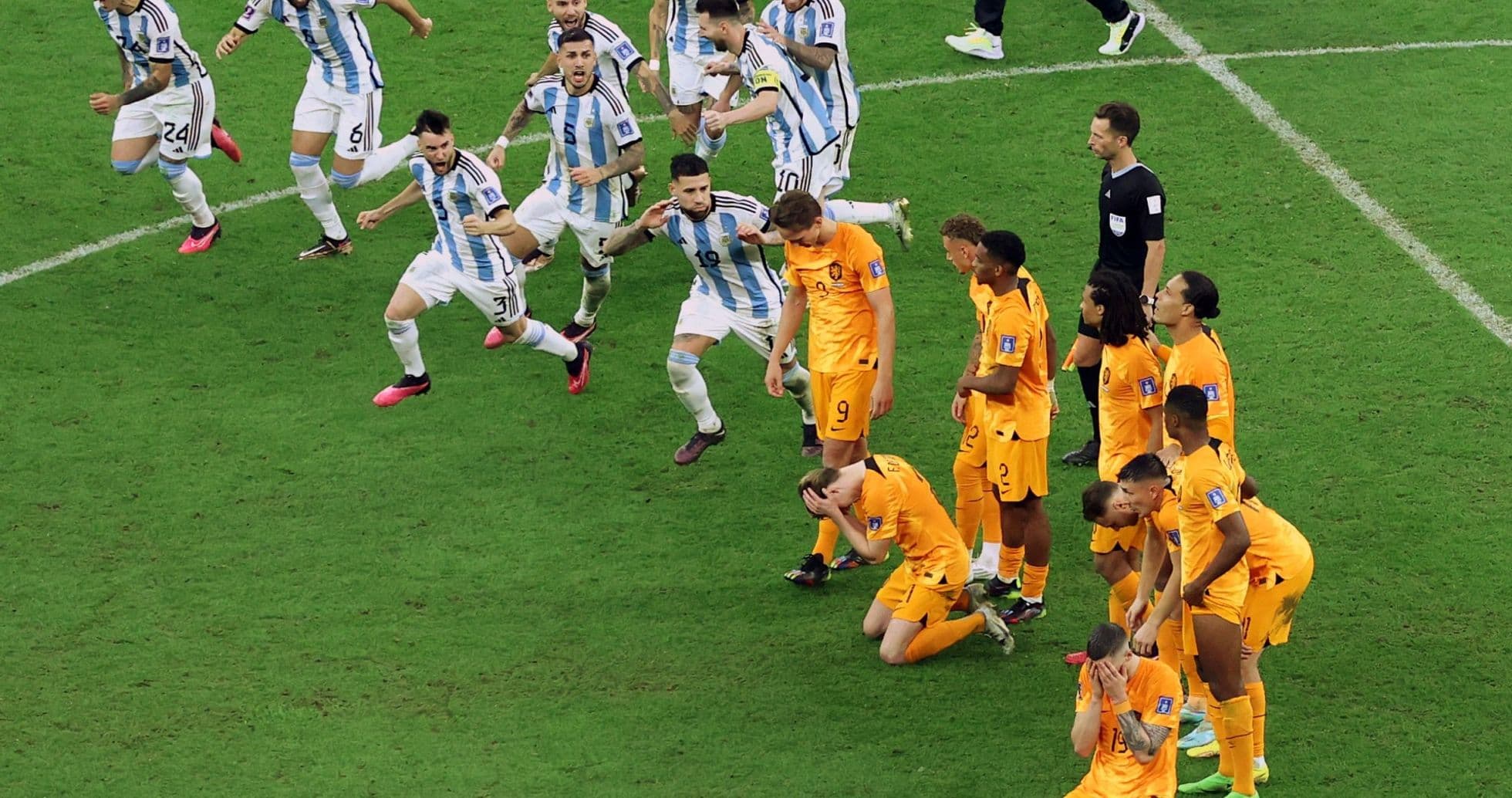
The knockout stage of the World Cup 2026 has already served up some stunning moments, with Germany and the Netherlands both crashing out in penalty shootouts. Paraguay stunned the four-time champions after a 1-1 draw following extra time, clinching victory from the spot. Just hours later, Morocco came from behind to beat the Dutch 3-2 in another tense shootout.
How Extra Time Works at the World Cup
If teams are tied after 90 minutes, they face two additional periods of 15 minutes each. This 30-minute stretch is continuous, with only a brief pause between halves. Unlike some past tournaments, there are no hydration breaks beyond normal game time, but each side can make one more substitution during extra time. The match continues until the full period ends—there is no sudden-death or golden goal rule this year. For context, golden goals were used in 1998 and 2002, producing memorable winners like Laurent Blanc for France.
Penalty Shootout Procedures
When scores remain level after extra time, the outcome moves to penalties, a format introduced back in 1978. Two coin tosses decide who shoots first and which goal will be used. Each team alternates five spot-kicks, with only players still on the field allowed to participate. Every eligible player must take a penalty before any can go again, including goalkeepers. If the score remains tied after these initial kicks, the shootout becomes sudden death.
Rules forbid rebounds—players cannot shoot again if their first attempt is saved. Goalkeepers must stay on their line until the kick is taken; violating this leads to retakes, as happened when Dominik Livakovic moved early against England’s Harry Kane. Historically, England struggles in shootouts, having only won once internationally, against Colombia in 2018.
Reactions to the Shootout Shocks
The Dutch exit sparked strong opinions. Former Sweden striker Zlatan Ibrahimovic criticized coach Ronald Koeman, saying the team lacked its traditional identity and that Koeman’s tactics were responsible. Thierry Henry agreed, suggesting the Dutch coach aimed not to lose rather than to win.
Koeman defended his approach, explaining his choice to field five defenders after the equalizer was scored. He said the decision was discussed with the squad, who agreed it was necessary despite criticism.
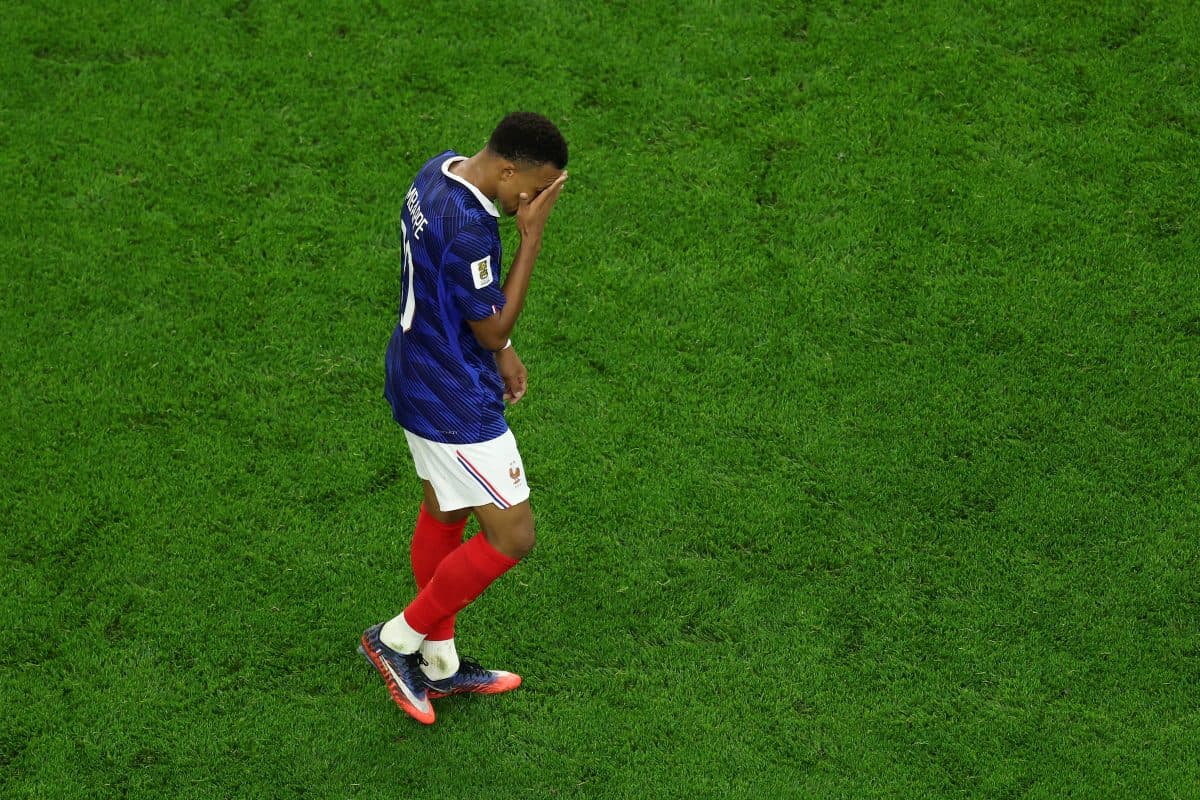
The emotions tied to penalty defeats were visible in Germany’s camp too. After their loss, German media labeled the performance "disastrous," calling it a nightmare for a team that had won the World Cup in 2014. The coverage described the match as slow and uninspiring.
Other nations reacted with surprise; Italy congratulated Paraguay while France called Germany’s elimination the biggest shock of the tournament so far.