
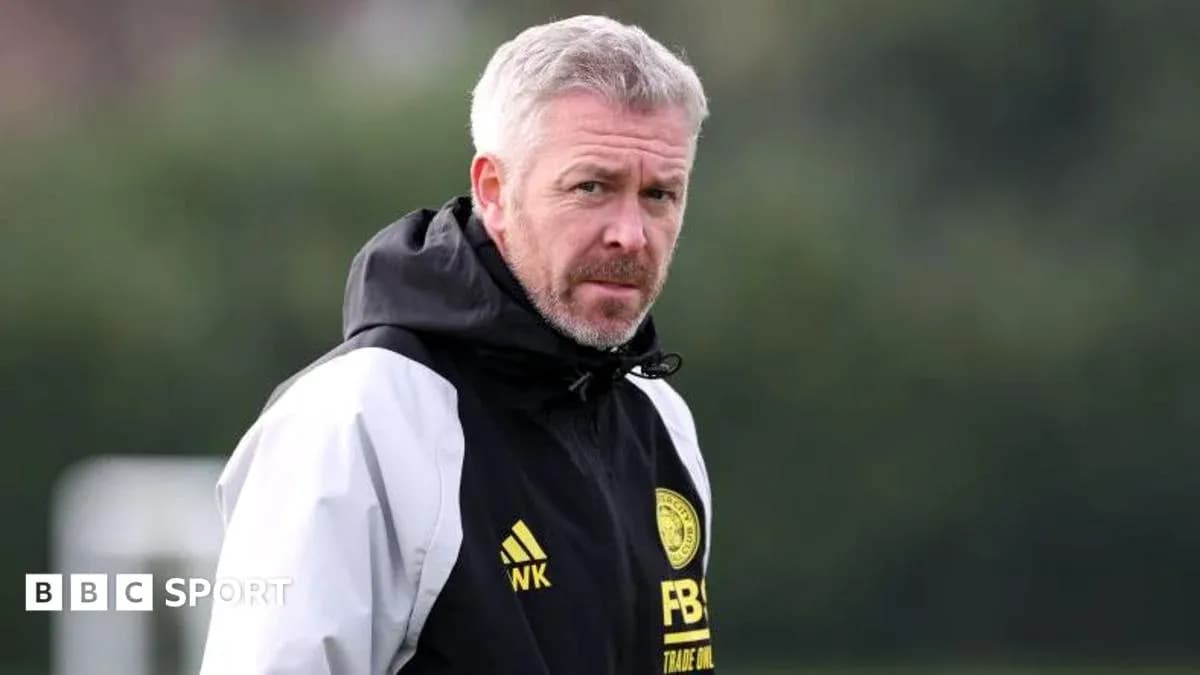
Willie Kirk's Controversial Return to English Football with Durham
Willie Kirk is back in English football. Not in the top flight, not under the brightest lights, but in a job that will draw scrutiny far beyond Women's Championship level.
Durham have appointed the 48-year-old as head coach, two years after Leicester City sacked him for breaching the club’s code of conduct by entering a physical relationship with a player.
No mention of that appeared in Durham’s announcement.
A second act after a brutal exit
Kirk’s Leicester exit in March 2024 was swift and stark. An internal investigation concluded he had been in a relationship with a player, a clear violation of the club’s rules. The club dismissed him, and his name slipped out of the weekly conversation in the women’s game.
Now he returns to the English pyramid with Durham, a club that has built a reputation on stability and steady growth rather than drama. It is a bold appointment, and a calculated one.
Player-coach relationships are not illegal under UK law, provided no minors are involved. The issue has never been about criminality. It has been about power, trust, and the duty of care owed to players in a rapidly professionalising sport.
That is where this move lands squarely in the spotlight.
Silence in the small print
Durham’s statement was notable for what it left out. There was no reference to Kirk’s Leicester dismissal, no nod to the circumstances that pushed him out of his last job in England.
In an era when governance and safeguarding sit at the heart of the women’s game, that silence will not go unnoticed.
Codes of conduct for players and staff are a core condition of holding a WSL licence, and the same standards shape the wider professional structure. Every club must have a safeguarding officer in place. Every club is expected to show it understands the power dynamics at play when coaches control selection, contracts, and careers.
BBC Sport has contacted Durham, the Football Association and the Professional Footballers’ Association for comment on the appointment. Their responses, or lack of them, will say plenty about how the game intends to handle cases like this.
A sport wrestling with power and protection
This is not just one club’s HR decision. Women’s football has been forced to confront the uncomfortable reality of personal relationships inside squads and staff rooms.
Critics argue those relationships can warp dressing-room dynamics, isolate players, and expose young women to unacceptable risk. When a coach holds influence over playing time and progression, consent is tangled up with career pressure.
England manager Sarina Wiegman has been unequivocal. She has called such relationships “very inappropriate” and “not healthy,” a clear line in a debate that some once tried to frame as private and personal.
The sport has moved on from that view. Safeguarding is now central, not peripheral. The question is whether appointments like this reflect that shift, or test its limits.
Durham have chosen a coach with experience and baggage in equal measure. The football will tell one story this season. The reaction around the game will tell another.





