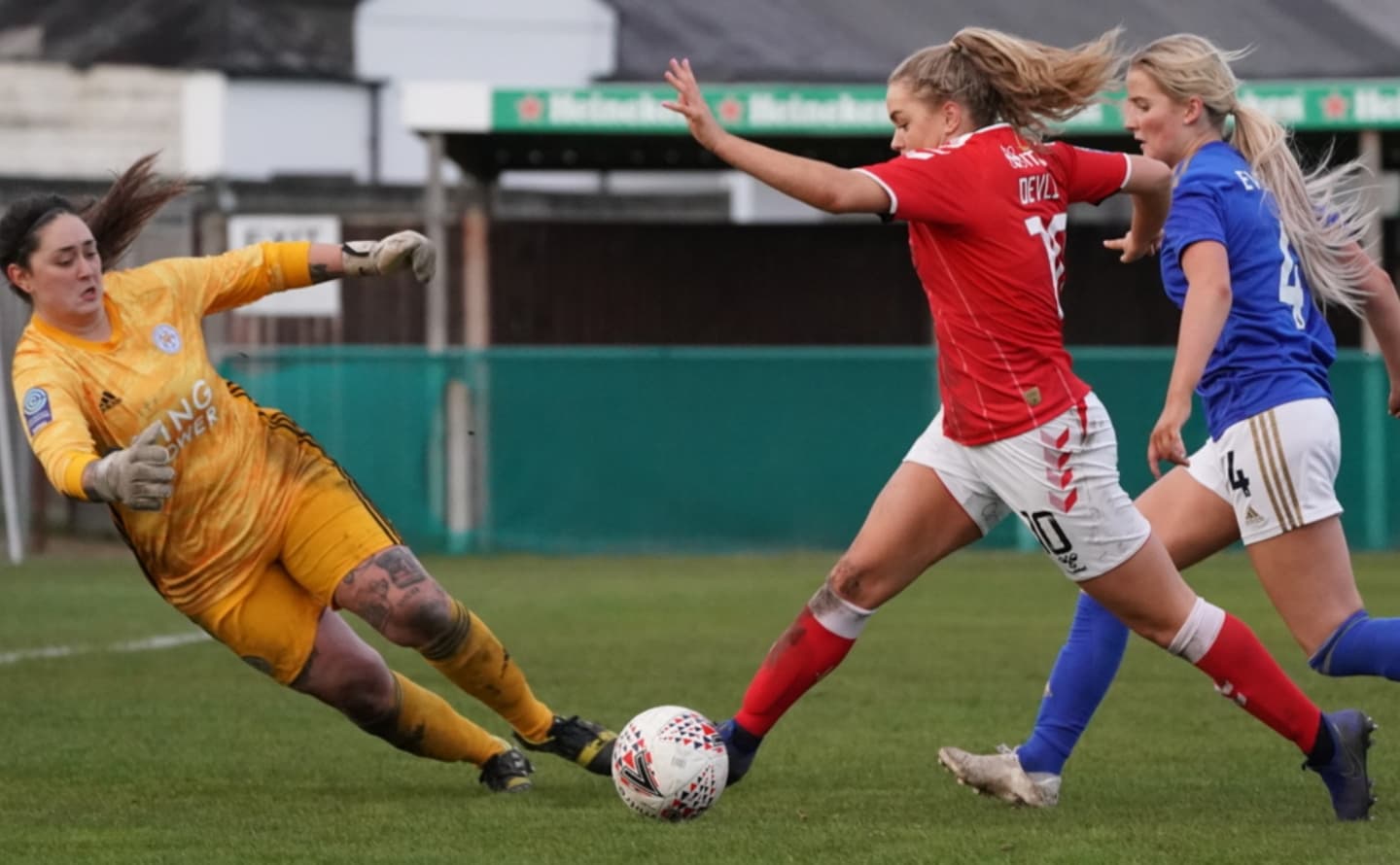
West Ham vs Manchester City: FA WSL Finale Overview
On a bright Essex afternoon at the Chigwell Construction Stadium, the FA WSL season closed with a result that felt almost inevitable on paper yet still told its own story: West Ham W 1–4 Manchester City W. Following this result, the table hardened into its final shape – West Ham in 10th on 19 points, City as champions at the summit with 55 – and the contrast between the two squads, in structure and in star power, was laid bare over 90 minutes.
I. The Big Picture – Two Different Worlds
Overall this campaign, West Ham’s numbers sketched a team living on the edge. Across 22 league matches they scored 20 and conceded 45, a goal difference of -25 that underlined their fragility. At home they averaged 1.2 goals for but 2.2 against, a side that could threaten but rarely control. Manchester City, by contrast, brought the swagger of champions: overall 62 goals scored and 19 conceded, a goal difference of 43 built on relentlessness. At home they were perfect; on their travels they still averaged 2.2 goals for and just 1.0 against.
This finale encapsulated those profiles. City’s attacking machine, honed across a season of 18 wins in 22, simply had too many layers for a West Ham side that, overall, failed to score in 9 league matches and kept only 3 clean sheets. The 4–1 scoreline echoed those season-long patterns rather than defied them.
II. Tactical Voids and Discipline – West Ham’s Tightrope
Neither side had a published list of absentees, so the tactical voids here were structural rather than personnel-driven. Rita Guarino leaned again on a group that had been stretched thin by defensive strain: Inès Belloumou, a defender with 22 tackles and 8 interceptions in limited minutes, carries the stain of a red card this season, a reminder of how often West Ham’s back line has been pushed into desperate defending. Viviane Asseyi, their midfield heartbeat, arrived with 4 yellow cards and a red on her disciplinary ledger, a player who lives in the collisions between lines.
That aggression is mirrored in the team-wide card profile. Overall, West Ham’s yellow cards spike late – 42.31% of their cautions came between 76–90 minutes – a classic signature of a side chasing games and making tired, last-ditch interventions. City’s yellows, by contrast, peak between 46–60 minutes at 42.86%, often a by-product of an aggressive press out of half-time rather than a scramble.
In this match, that underlying pattern mattered. As City’s movement from Lauren Hemp, Yui Hasegawa and Mary Fowler stretched the pitch, West Ham’s defenders and midfielders were repeatedly dragged into recovery runs and emergency duels. The disciplinary history of Belloumou and Asseyi hung over every transition, a constant risk that one mistimed challenge might tip a difficult afternoon into a crisis.
III. Key Matchups – Hunter vs Shield, Engine Room vs Enforcer
The headline duel was always going to be Khadija Shaw versus a defence that, at home, conceded 24 goals in 11 matches. Shaw came into the game as the league’s most ruthless finisher: overall 16 goals in 21 appearances, backed by 71 shots and 38 on target, with a 7.91 rating that reflects not just scoring but all-round dominance. Her duel numbers – 179 contested, 95 won – show a striker who relishes physical contact and second balls as much as clean through-balls.
West Ham’s “shield” for that threat was less a single player than a patchwork. Belloumou’s 63 duels (35 won) and 22 tackles speak to her combative nature, but the home side’s overall defensive metrics – just 3 clean sheets in total, and an average of 2.0 goals conceded per game overall – suggested that the back line would be living on borrowed time. Against City’s layered attack, Shaw was never going to be the only problem; she was simply the sharpest tip.
Around her, the supporting cast is elite. Hemp, with 6 assists overall and 38 key passes in 17 appearances, is a constant source of width and incision. Kerolin added 9 goals and 4 assists in just 649 minutes, a devastating impact profile that allows City to change the tempo from the bench. Vivianne Miedema, with 8 goals and 4 assists from midfield, offers a second wave of finishing that few WSL sides can match. Even from deeper zones, Kerstin Casparij’s 6 assists and 18 key passes from full-back show how City’s creativity runs from back to front.
For West Ham, the “engine room” matchup was about survival. Asseyi’s numbers reveal a two-way midfielder fighting against the tide: 21 tackles, 9 interceptions, 158 duels (78 won), 14 key passes and 2 assists. She is asked to be both breaker and maker in a side that, overall, scores just 0.9 goals per game and fails to score in more than a third of its fixtures. In this contest, she had to contend not only with Hasegawa’s metronomic passing but also Fowler’s ability to break lines and Fujino’s movement between pockets.
Up front, Shekiera Martinez – West Ham’s leading scorer with 5 goals overall – started on the bench, a tactical decision that hinted at Guarino’s caution. Without her vertical threat from the first whistle, the onus fell on Asseyi, Riko Ueki and Viviane Asseyi again to turn rare transitions into something more. Against a City side that has kept 8 clean sheets overall and failed to score only twice, that was always a precarious trade.
IV. Statistical Prognosis – Why 4–1 Felt Inevitable
Even without live xG data, the season-long numbers offered a clear prognosis. On their travels, City averaged 2.2 goals for and 1.0 against; West Ham at home averaged 1.2 for and 2.2 against. Overlay those profiles and a multi-goal away win sits squarely in the centre of expectation.
City’s attacking volume – 62 goals overall, with multiple double-figure contributors in goals and assists – means they reliably generate high-quality chances. Their penalty record, with 2 taken and 2 scored overall, underscores a ruthlessness in decisive moments. West Ham, by contrast, rely on narrow margins: their biggest home win was 3–1, but their heaviest home defeat was 1–5, a result that rhymes uncomfortably with this 1–4 scoreline.
Following this result, the narrative is less about surprise than about confirmation. West Ham’s season-long defensive frailty and late-game disciplinary spikes met the league’s most complete attacking unit. The hunter found a shield riddled with cracks, and over 90 minutes in Essex, the scoreboard simply caught up with the statistics.