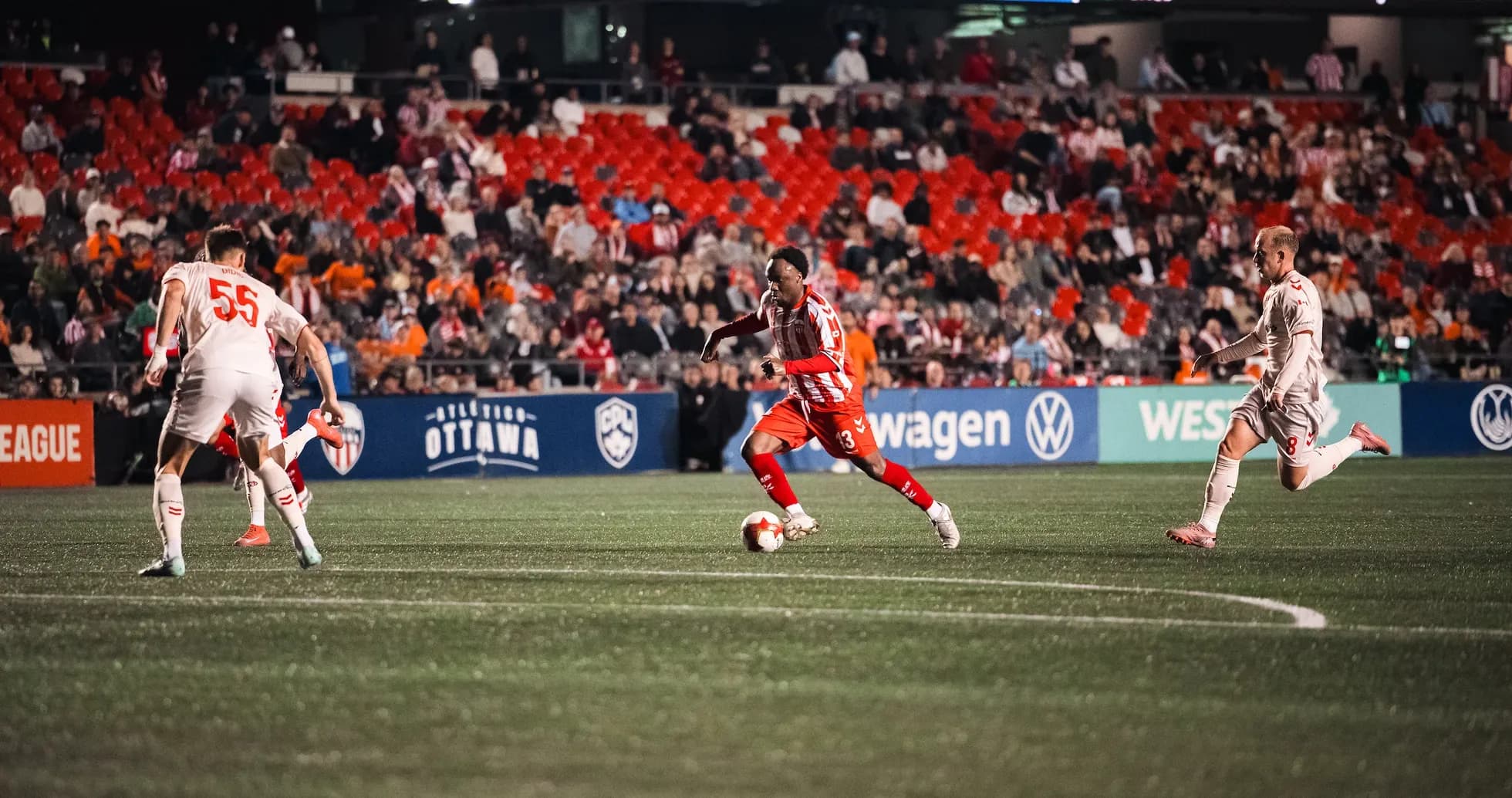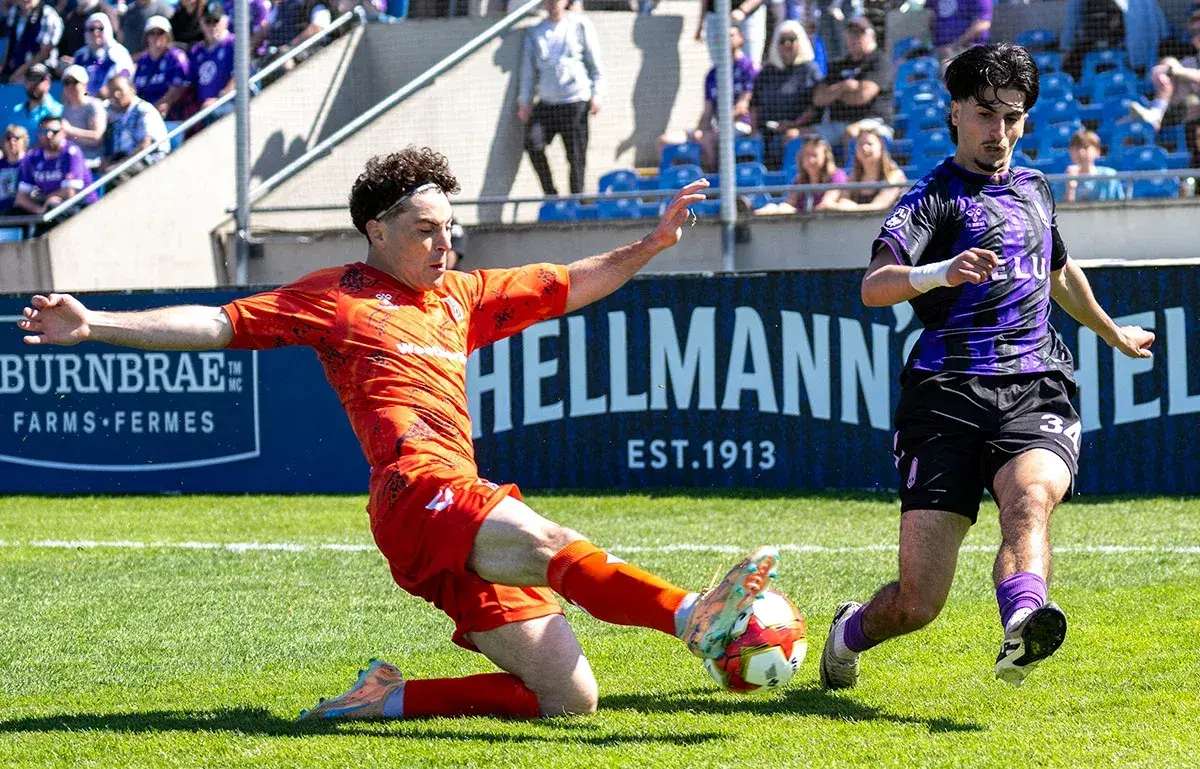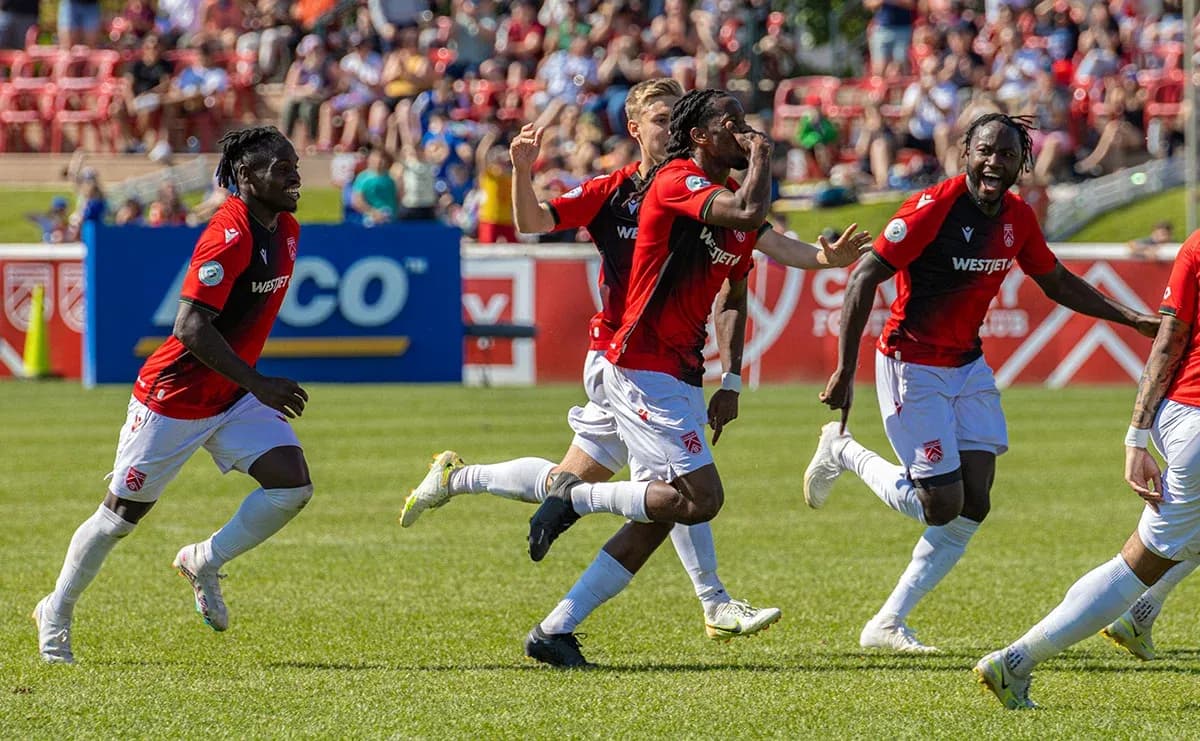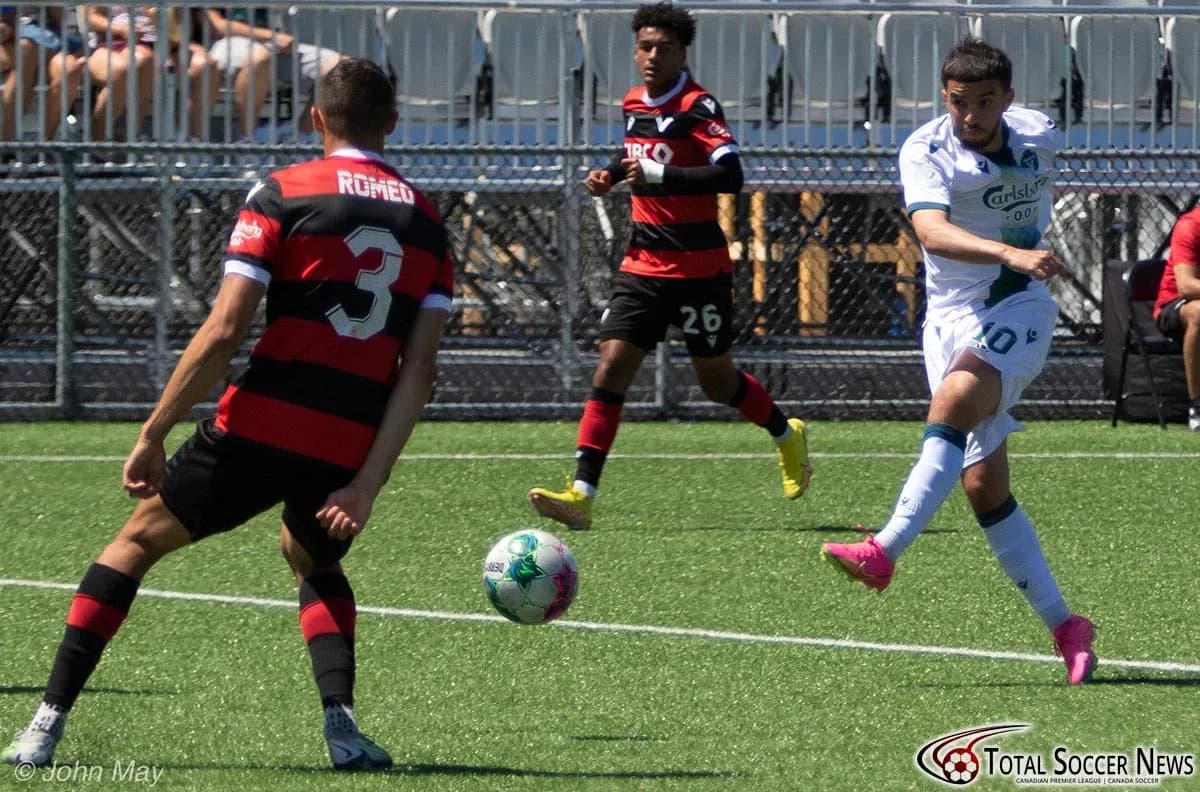
Vancouver FC vs York United: A Thrilling 3–3 Draw in CPL
Under the lights at Willoughby Community Park, this Group Stage meeting in the Canadian Premier League brought together two sides whose seasons have been shaped by contrasting identities: Vancouver FC, compact and improving, and York United, chaotic and goal-heavy. The 3–3 draw that unfolded felt almost inevitable once you lay their numbers side by side.
Heading into this game, Vancouver sat 4th with 32 points from 24 matches, their overall goal difference of 2 coming cleanly from 34 scored and 32 conceded. At home they had been solid: 12 matches, 6 wins, 3 draws, 3 defeats, with 20 goals for and 14 against. York arrived in Langley in 7th on 24 points from 22 games, carrying one of the league’s wildest profiles: 33 goals scored but 49 conceded overall, for a goal difference of -16. On their travels they had managed just 1 win in 12 away fixtures, drawing 6 and losing 5, with 12 goals for and 26 against.
Both coaches leaned into their teams’ established blueprints. M. Nash kept Vancouver in their favoured 4‑2‑3‑1, a structure they had used more than any other this season, with C. Irving behind a back four of M. Doner, M. Campagna, Thomas Geoffrey Field and K. Proctor. In front, the double pivot of D. Pecile and M. Polisi underpinned an attacking band of T. Bah, A. Traore and P. Gee, supporting lone forward L. Mousset.
Across from them, M. Eustáquio rolled out York in a 4‑3‑3, a departure from their more common 3‑4‑3 but still faithful to the idea of an aggressive front line. Campos Ralston Kai Antonio started in goal, shielded by M. Ferrari, R. López, L. Singh and K. Kibato. The midfield triangle of S. Yeates, J. Córdova and O. Bassett was tasked with linking to a mobile front three of L. Accettola, top scorer T. Skublak and J. Almagro.
The game’s narrative was written in the numbers before a ball was kicked. Vancouver’s goals-for minute distribution shows a side that starts and finishes halves sharply: 23.53% of their goals arrive in the opening 0–15 minutes, another 23.53% between 31–45, and a combined 35.3% between 46–60 and 76–90. York’s defensive record, by contrast, is most fragile after the break. They concede 16.98% of their goals between 46–60 minutes, 24.53% between 61–75, and 18.87% from 76–90. The intersection is brutal: Vancouver’s second‑half surges running directly into York’s softest defensive window.
It is no surprise, then, that this fixture produced a six‑goal spectacle, with Vancouver overturning a 1–2 half‑time deficit to draw 3–3. Vancouver’s seasonal averages framed that comeback: overall they score 1.4 goals per match and concede 1.3, but at home they rise to 1.7 for and 1.2 against. York, by contrast, live at extremes. Overall they score 1.5 per match but concede 2.2, and away from home they manage just 1.0 for while shipping 2.2. A 3–3 away draw for York in this context is both an overperformance in attack on their travels and another reminder of their chronic defensive leaks.
The tactical voids were less about absences and more about discipline and risk. Neither squad list flags missing players, so both managers had close to full decks. But the disciplinary profiles of key figures shaped how aggressively each side could press. For Vancouver, M. Polisi and T. Bah walk a fine line. Polisi has collected 6 yellow cards this season, anchoring midfield with 20 tackles and 3 successful blocks; Bah has 5 yellows, combining 22 tackles with 26 dribble attempts and 28 fouls drawn. Their edge is essential to Vancouver’s bite in the middle, but it also feeds into a team that sees 23.08% of its yellow cards between 76–90 minutes – precisely when matches become stretched.
York’s discipline is even more volatile. T. Skublak, their central attacking reference, leads the league’s card charts with 8 yellows, and S. Yeates has 5 of his own. As a team, York’s yellow‑card curve spikes between 61–75 minutes at 23.44%, with another 18.75% from 46–60. They also carry a red‑card risk: S. Gonzales has already been sent off this season, and York’s only red in the timing data falls in the 61–75 window. Protecting a lead – or even a draw – in the late stages is structurally hard for a side that defends recklessly when legs tire.
Within that framework, the key matchups were clear. The “Hunter vs Shield” battle centred on Skublak against Vancouver’s defensive unit. Skublak’s 6 goals and 2 assists come from just 849 minutes, with 24 shots (13 on target) and 121 duels contested, 62 of them won. His blend of physicality and movement is designed to stress centre‑backs like Campagna and the positioning of full‑backs like Field, who has quietly put together 23 starts, 585 completed passes at 85% accuracy, 13 tackles and 2 successful blocks. Field’s ability to step out and engage Skublak without exposing the channel behind him is critical to Vancouver’s structure.
In the “Engine Room”, Yeates and Bassett faced Polisi and Pecile. Yeates is York’s metronome, with 534 passes at an 88% accuracy, 15 key passes, 22 tackles and 2 blocks. Bassett adds another creative thread. Vancouver’s double pivot has to disrupt that rhythm; Polisi’s 488 passes at 85% accuracy and 20 tackles make him the natural counterweight, while Pecile’s energy helps close second balls. Around them, Bah’s dual role as dribbler and presser – 12 successful dribbles and 69 duels won – turns transitions into a weapon.
Out wide and between the lines, Vancouver’s attacking trio of Bah, Traore and Gee looked to isolate York’s full‑backs and wide centre‑midfielders. York concede 31.03% of their goals for between 46–60 minutes, but they also concede heavily in that same post‑interval zone. That chaos suits Bah, who thrives when the game opens up, and it allowed Vancouver to claw back the deficit after the break.
Statistically, this fixture always leaned towards goals. Vancouver’s matches clear the 0.5‑goal line overall 16 times in 24, but stay under 2.5 goals in 18 of 24. York’s games are more explosive: they go over 2.5 goals in 10 of 22 on the defensive side alone, given how often they concede. Vancouver’s clean sheets – just 3 overall – and York’s mere 2 clean sheets underline why a stalemate was unlikely.
The penalty story also matters in tight games. Vancouver had taken 2 penalties this season and scored both, with no misses. York had earned 1 penalty and missed it, a 0% conversion that hangs over any future spot‑kick. In a match that finished level, the psychological weight of that miss could have influenced decisions in the box at Willoughby.
Following this result, the statistical prognosis for both sides remains consistent. Vancouver look every inch a mid‑table playoff contender: strong at home, balanced in goal difference, dangerous in specific time bands, but still vulnerable to lapses, especially between 61–75 minutes where they concede 25.00% of their goals. York remain the league’s great entertainers and great risk: their attack, led by Skublak, Accettola and Almagro, can hurt anyone, especially in the 46–60 window where they score 31.03% of their goals, but their defence and discipline almost guarantee drama.
Tactically, the 3–3 draw serves as a mirror. Vancouver’s structure and home edge allowed them to recover from early blows, while York’s attacking talent and fragility produced another rollercoaster. If these sides meet again with similar profiles, expect the same script: high tempo, momentum swings, and a match decided in that volatile hour after half‑time where one team’s strength meets the other’s most glaring weakness.