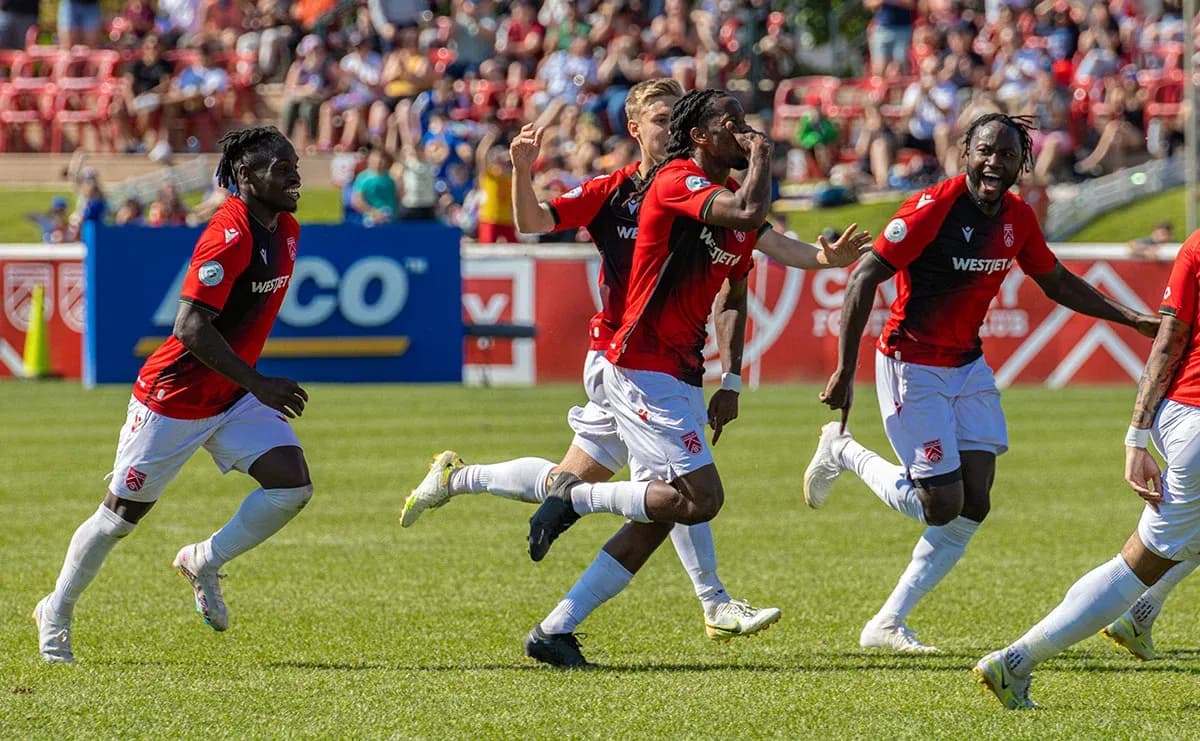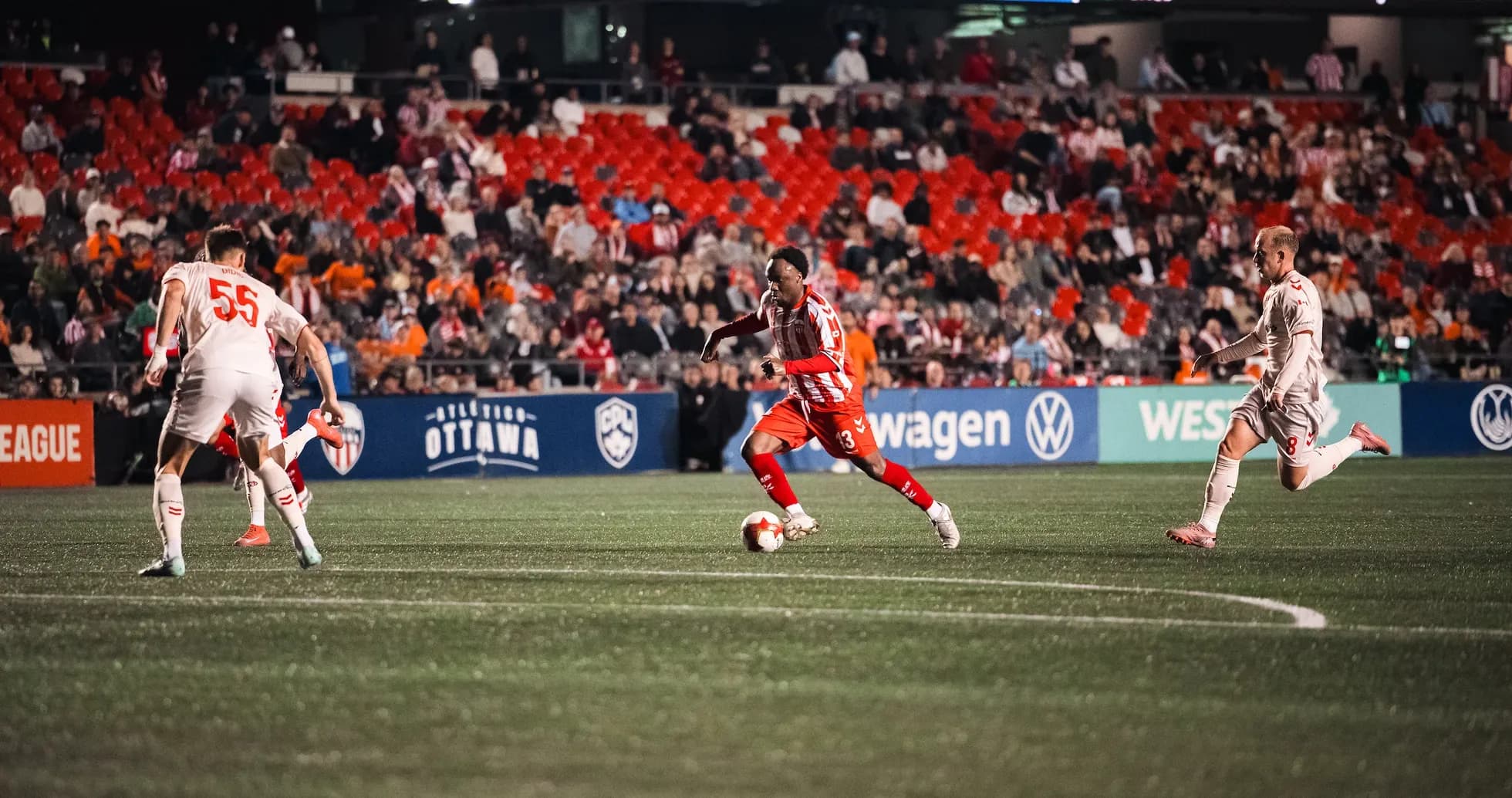
Atlético Ottawa's Thrilling 3–2 Victory Over Cavalry FC
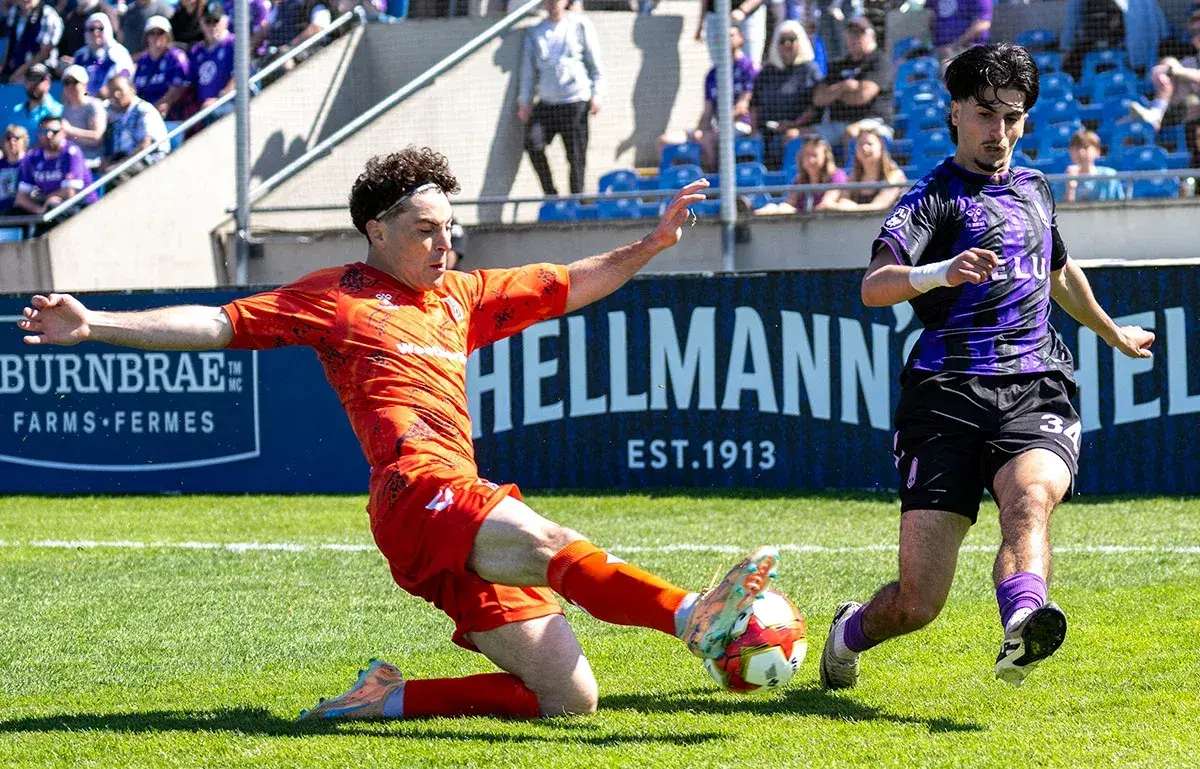
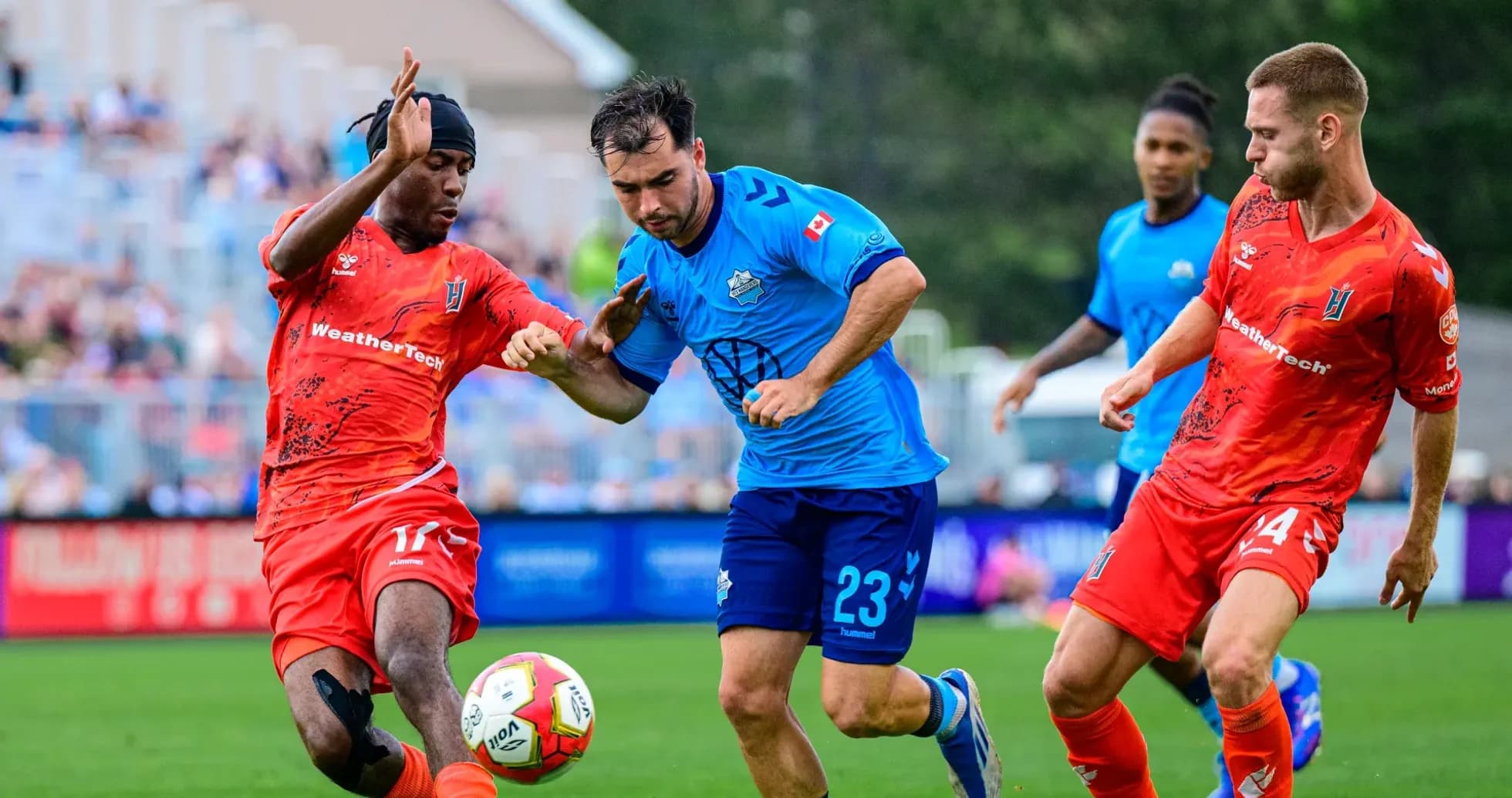
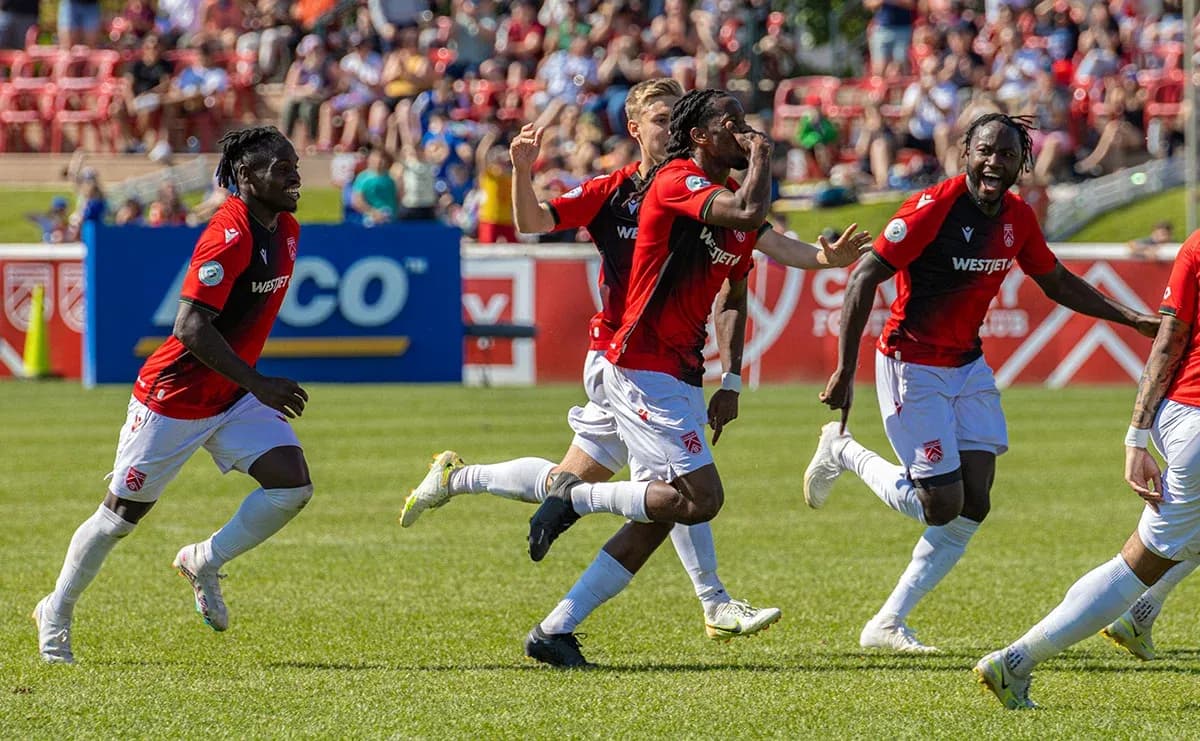
The lights have gone out at TD Place Stadium with the scoreboard frozen at 3–2 to Atlético Ottawa, but the tactical ripples from this Group Stage thriller will carry well beyond the final whistle. The third‑placed hosts, who headed into this game with a negative overall goal difference despite their lofty position, have just taken down the league leaders in a way that says as much about their evolving identity as it does about Cavalry FC’s vulnerabilities.
I. The Big Picture – A Meeting of Extremes
This was first against third in the Canadian Premier League, but the table only told half the story. Heading into this game, Cavalry FC were the division’s reference point for balance and control: 53 points from 24 matches, with an overall goal difference of +34 (50 scored, 16 conceded). On their travels they had been ruthlessly efficient, winning 7 of 12 away fixtures, scoring 20 and conceding just 9.
Atlético Ottawa, by contrast, were chaos merchants. Overall they had scored 38 and conceded 41 across 25 matches, for a goal difference of −3. Yet at home they were a different animal: 8 wins from 13, with 24 goals scored and 17 conceded. Their overall attacking output of 1.5 goals per match, combined with 1.6 conceded, painted them as a high‑variance side – capable of brilliance, equally capable of self‑sabotage.
The 3–2 comeback win fits perfectly into that DNA: high scoring, emotionally charged, and decided in the margins of mentality and structure rather than pure control.
II. Tactical Voids and Discipline – Edges in the Chaos
Neither side had listed absentees in the pre‑match data, so both coaches could lean into their preferred shapes. Gustavo Leal went back to a 4‑2‑3‑1, a system Ottawa had already used most frequently this season, while Tommy Wheeldon Jr. mirrored that structure for Cavalry.
The deeper narrative, though, is disciplinary. Ottawa’s yellow‑card profile is heavily back‑loaded: 33.33% of their cautions arrive between 76–90 minutes, with another 16.67% between 91–105. They are a team that lives on the edge late on, often defending a lead or chasing a game with emotional intensity. They also carry the scar tissue of one red card this season.
Cavalry’s card map is more evenly spread but spikes between 46–60 minutes (25.45% of yellows) and then remains significant into stoppage time, where 12.73% of their cautions fall between 91–105 minutes. They have already seen three red cards in the league, with dismissals coming in the 31–45, 76–90, and 91–105 windows. This is a side that plays assertive, sometimes combustible football, particularly as matches open up.
In a match that ended 3–2, that shared volatility was always likely to matter. Ottawa’s capacity to absorb late pressure while walking the disciplinary tightrope, and Cavalry’s tendency to accumulate cards as they push, created a combustible backdrop for a frantic second half.
III. Key Matchups – Hunter vs Shield, and the Engine Room
The headline duel was always going to be Ballou Tabla and Nicolas Fleuriau Chateau against Cavalry’s defensive spine of Daan Klomp, Amer Didic and Adam Pearlman.
Tabla came into the game as Ottawa’s leading scorer with 9 goals and 2 assists, supported by 43 shots (21 on target) and 27 key passes. He is not just a finisher but a volume creator, with 48 dribble attempts and 23 successful. Fleuriau Chateau, with 5 goals and 2 assists in only 923 minutes, offers ruthless penalty‑box efficiency: 28 shots, 12 on target, and a knack for timing runs off the shoulder.
Up against them, Klomp and Didic form one of the league’s most complete centre‑back pairings. Klomp’s 900 completed passes at 89% accuracy, 17 tackles, 7 blocked shots and 15 interceptions illustrate a defender who both initiates and secures Cavalry’s build‑up. Didic mirrors that profile with 872 passes at 89% accuracy, 18 tackles, 6 blocks and 13 interceptions, plus 2 goals and 3 assists that make him a set‑piece threat.
On paper, the “Shield” should have had the edge: Cavalry had conceded just 16 overall, an average of 0.7 goals per match, and only 9 away (0.8 on their travels). For Ottawa to put three past that unit is a statement that their attacking ceiling can overwhelm even the league’s best defence when their rotations click.
Behind that frontline battle, the engine room confrontation was just as decisive. Manuel Aparicio and Diego Gutiérrez formed Ottawa’s double pivot, tasked with disrupting Cavalry’s rhythm and feeding the three‑man band of Emiliano García, Tabla and Kamron Habibullah. Aparicio is a volume passer – 1,209 completed passes at 84% accuracy – and an aggressive defender with 41 tackles and 25 interceptions. His opposite numbers, Harrison Paton and Eryk Kobza, bring similar bite: Paton with 29 tackles and 29 fouls committed, Kobza with 22 tackles, 14 interceptions and a history of 7 yellows plus a yellow‑red.
The result was a midfield that crackled with duels and second balls. Paton’s 9 yellows this season underline how fine the line is for him; in a game where Cavalry were forced to defend more transitions than usual, that risk profile only grew.
Higher up, the creative lanes ran through Tobias Warschewski and Ali Musse for Cavalry, and García and Habibullah for Ottawa. Warschewski, with 7 goals and 3 assists plus 38 key passes, is both scorer and architect. Musse adds 4 assists and 22 key passes from wide areas. For Ottawa, García’s 4 goals and 16 key passes, coupled with Habibullah’s 3 assists at an 88% passing accuracy, gave Leal the tools to attack the spaces behind Cavalry’s advanced full‑backs.
IV. Statistical Prognosis – What This 3–2 Really Says
Following this result, the numbers tell a story of convergence. Ottawa’s home scoring rate of 1.8 goals per match was already strong; hitting three against the league’s most miserly defence suggests their attacking process is outpacing their underlying goal difference. With 5 clean sheets overall but also 5 matches where they failed to score, they remain streaky, yet nights like this hint at a side learning to marry structure with individual quality.
For Cavalry, the defeat does not erase their dominance, but it exposes the cost of their front‑foot approach. With 2.1 goals scored per match overall and only 0.7 conceded, their profile remains that of champions‑elect. Yet this loss reinforces a key tactical warning: when their midfield screen (Paton, Kobza) is dragged into wide or high duels and their centre‑backs are forced into repeated emergency defending against dribblers like Tabla and runners like Fleuriau Chateau, even their elite defensive record can crack.
Overlaying the season‑long trends, a probabilistic reading would still back Cavalry to win most neutral‑field rematches. But in Ottawa, with Leal’s 4‑2‑3‑1 humming, the statistical balance shifts: the home side’s attacking variance, combined with Cavalry’s disciplinary volatility and high defensive line, creates a match‑up where a 3–2 like this is not an anomaly, but a plausible outcome baked into both teams’ tactical DNA.