United's Lifeless Performance: Neville's Critique of Carrick and Players
United’s late escape at Craven Cottage did little to quiet the noise. If anything, it turned the volume up.
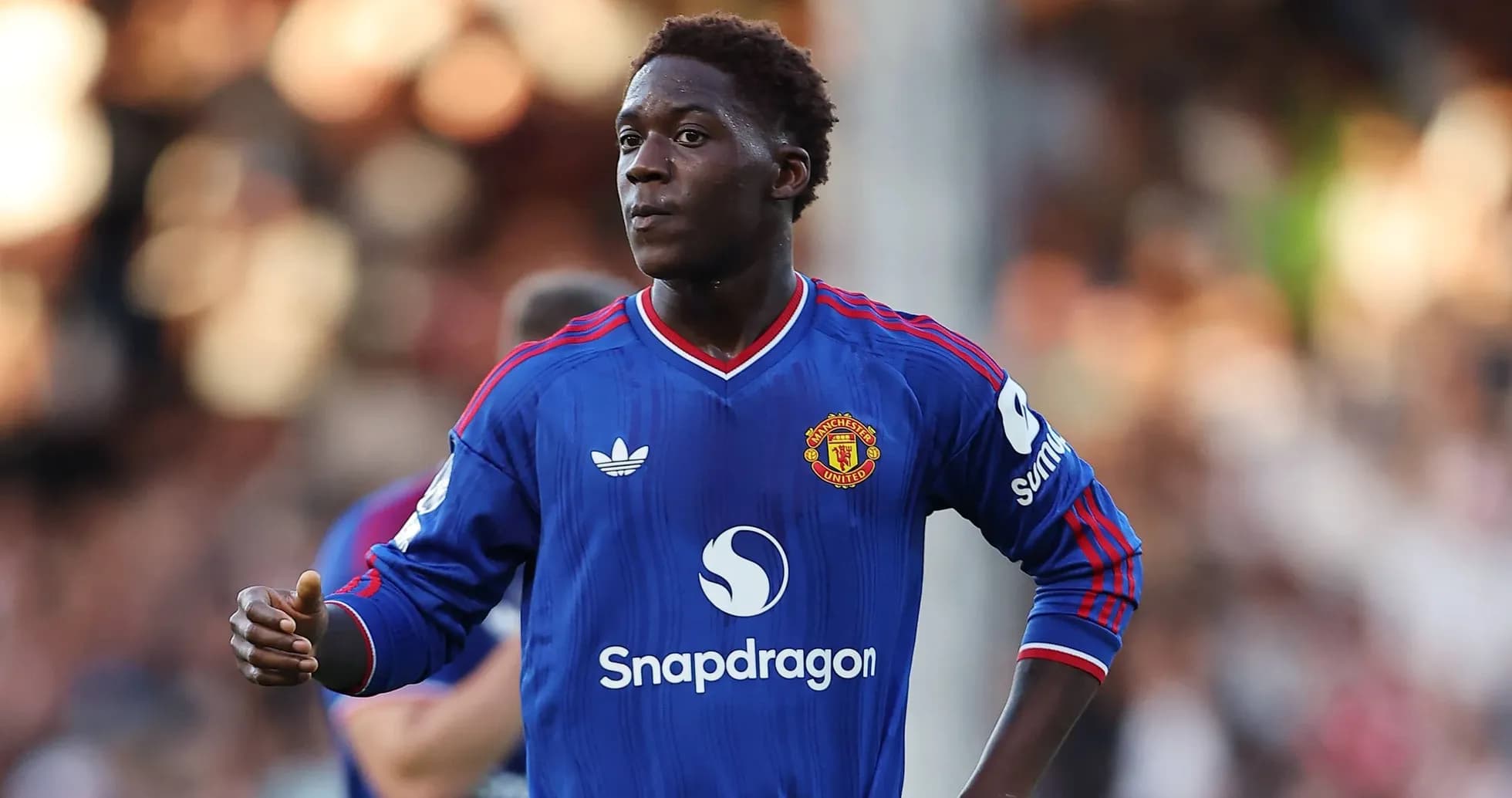
A deflected strike from Matheus Cunha in the closing stages salvaged a 1-1 draw against Fulham, sparing United from a third straight league defeat and masking, only on the scoreboard, what Gary Neville called one of the most lifeless performances he has seen from the club.
Lisandro Martinez’s early own goal had set the tone for a chaotic afternoon. United never truly settled, never really imposed themselves, and never looked like a side fighting to arrest a slump. Cunha’s equaliser was vital in the table. It did nothing for the mood.
Neville tears into United’s work rate
On Sky Sports co-commentary, Neville’s disbelief grew with every lethargic passage of play. What he saw in west London angered him far more than the result.
"I've never seen a Man Utd team walk out of possession as much as that," he said, incredulous at the lack of intensity. He described United’s players as “mannequins”, static and passive as Fulham controlled the ball with ease.
Across long stretches, United shuffled rather than pressed. They reacted rather than anticipated. For Neville, that crossed a line.
"I'm always very careful to say that," he admitted, "but in those first 15 minutes of that second half, Man Utd and generally for the first 60 minutes, were a genuine disgrace. Nowhere near good enough without the ball."
No alertness. No sharpness. No “on your toes”, as he put it. For a club built on high-tempo, front-foot football, the accusation cut deep.
Carrick in the firing line – for the wrong reasons
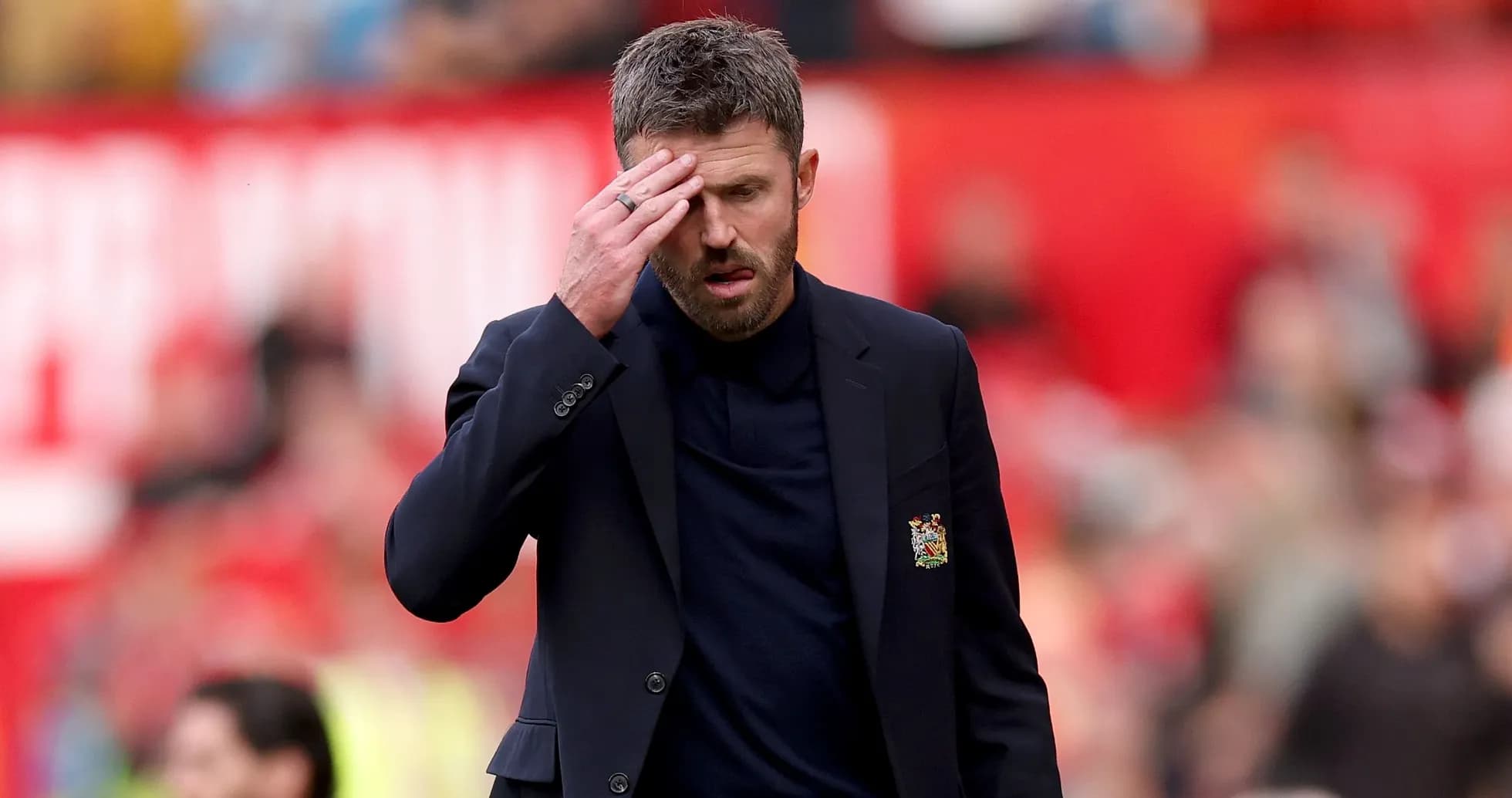
Neville’s criticism did not stop with the players. It extended to manager Michael Carrick and, specifically, his refusal to publicly call out the team’s effort.
"Michael has got to stop defending them," Neville insisted. He understood the instinct – loyalty, unity, the desire to keep the dressing room onside – but argued that the manager’s public stance jarred badly with what millions had just watched.
Carrick had pushed back on the idea that his side were passive, insisting there was nothing wrong with their energy. Neville flatly disagreed.
"Michael is of course saying something different to us than he is saying privately. That would've really worried me," he said, warning that such performances would inevitably turn the spotlight on the man in the dugout.
"People will ask questions about him, but he knew that when he took the job. But there's no panic in that sense – no one is putting pressure on Carrick – but if those types of performances continue, he will find himself in a lot of trouble. They've got to work harder than that for him."
The message was blunt: the manager can shield his players only for so long. At some point, the team must run, press and compete with the urgency the shirt demands.
A pattern that’s getting harder to ignore
This was not an isolated off-day. The flat display at Fulham came on the back of a bruising league defeat to Manchester City and a Carabao Cup collapse against Brighton. Three games, one point, and a recurring theme: United second-best without the ball.
At Craven Cottage, Fulham did not have to be spectacular to dominate large periods. They simply had to be organised, willing, and ready to move the ball around opponents who too often jogged rather than hunted.
Neville’s assessment of the first hour was damning precisely because it spoke to a broader concern – not about tactics or shape, but about desire.
United escaped with a point thanks to Cunha’s late deflection. The table will record a draw, not a crisis. Yet performances like this rarely stay hidden for long.
If this is the standard out of possession, how long before that late equaliser feels less like a turning point and more like a brief pause in a deeper slide?