Tyler Martin Steps Up as Stoke City Substitute
Tyler Martin’s name on the Stoke City teamsheet is new, but the route he has taken to get there has been quietly building for months.
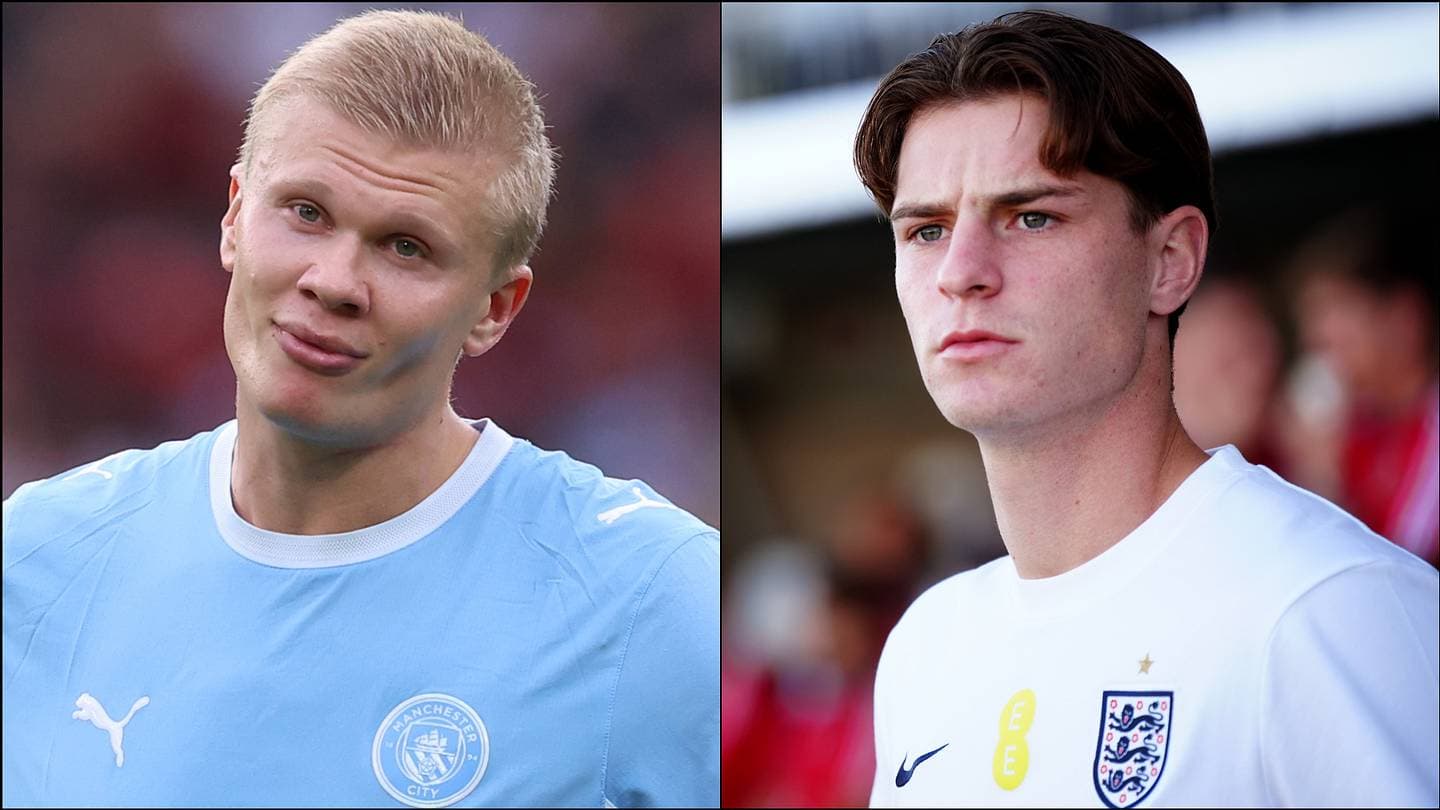
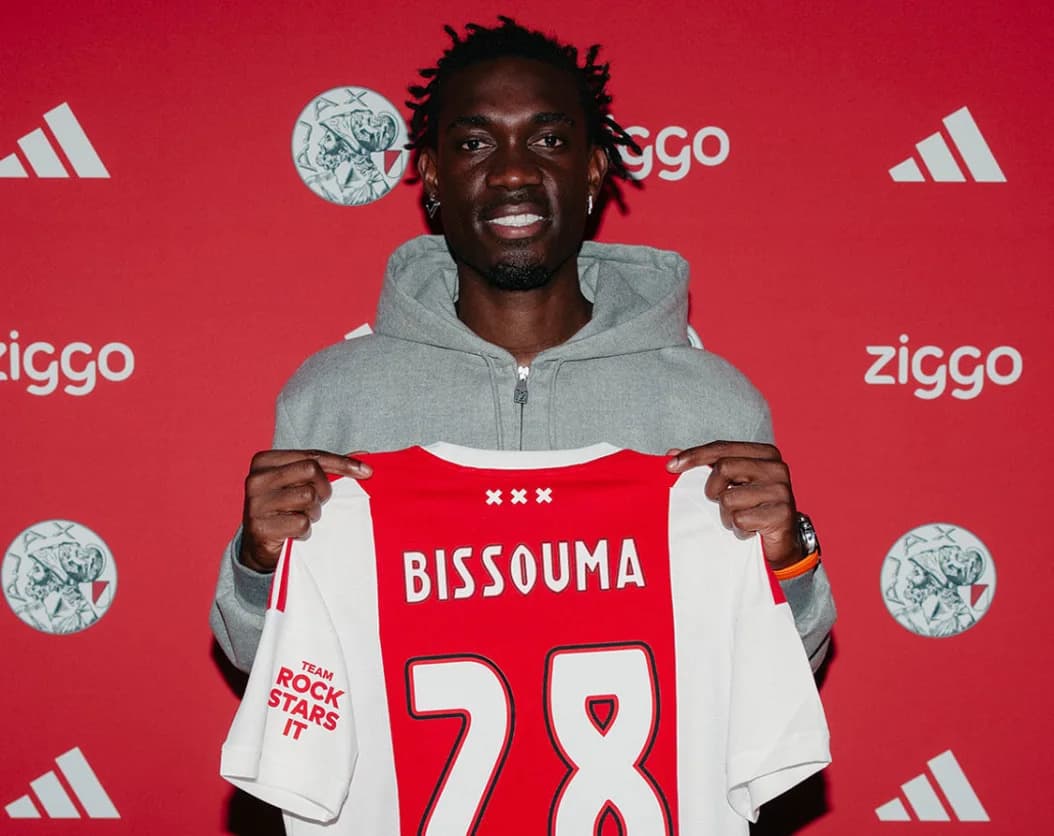
The 18-year-old midfielder, signed from Liverpool for the under-21s in February, has been pulled into first-team life through pre-season and now steps up as a substitute option just as Milan Smit heads out on loan to Darmstadt in Germany. One door shuts, another swings open.
Back when he arrived, youth coach Sam Stockley didn’t hold back in his assessment. Martin, he said, is “dynamic and quick, has an eye for goal and is versatile in terms of his ability to play through the middle and in wide areas." That versatility now earns him a spot on the senior bench at the start of a new campaign.
Stoke rarely begin a competitive season with anything other than a league fixture. It’s almost a tradition. But not an unbreakable one.
Recent history already offers a couple of sharp detours. In 2020, a League Cup tie against Blackpool opened the season, played out in the eerie silence of an empty stadium during the pandemic. Go back further and the mood could not have been more different: the 2011 Europa League adventure, when Stoke dived straight into Europe with a two-legged tie against Hajduk Split before even thinking about their Premier League curtain-raiser against Chelsea.
Roll the clock back properly, though, and 1972 stands apart.
Stoke had just staggered through a marathon 70-game 1971/72 season, only to tack on one more – an FA Cup tie that technically belonged to the old campaign but was played a week before the new top-flight season began in 1972/73. It meant they effectively finished one season and warmed up for the next on the same afternoon.
On August 5, 1972, they walked out at St Andrew’s to face Birmingham City in an FA Cup third-place play-off, a relic of a short-lived experiment. Stoke were still nursing the wounds of a controversial semi-final defeat to Arsenal four months earlier. Leeds United had already lifted the trophy at Wembley on May 6.
What followed in front of 25,841 spectators was a drab, goalless 90 minutes that only really came alive once history beckoned. The match went to penalties – the first penalty shoot-out in English domestic football history.
Tony Waddington used the oddity of the occasion to hand debuts to summer signings Geoff Hurst and Jimmy Robertson, players who under normal circumstances would have been cup-tied. In fact, Robertson had already been knocked out of that same competition in the fourth round by Birmingham while he was still at Ipswich.
The shoot-out itself belonged to the goalkeepers and the rulebook.
At the time, keepers were not allowed to move their feet before the ball was struck. John Farmer tested that boundary, and referee Vincent James booked him twice for stepping off his line. Farmer still managed to turn the contest his way. He saved from Tommy Carroll, who then blazed his retaken penalty over the bar. He stopped Bobby Hope too, only for Hope to score at the second attempt after another infringement.
Waddington stormed onto the pitch in protest, but Vincent James stood firm, insisting Farmer had been given ample warning.
At the other end, Birmingham’s Paul Cooper worked the psychological angles. He swung his arms, leaned to one side, and unsettled Stoke’s takers. It was a routine that would serve him well as his career moved on to Ipswich and Leicester. On this day, it helped him deny Jimmy Greenhoff and Peter Dobing.
Stoke finished fourth and received a tankard for their troubles. No open-top bus, no grand ceremony – just a piece of silverware from a competition the FA quickly decided it could live without. That third-place play-off experiment, which had lasted five years, ended there.
Seven days later, Stoke reset and did what they were far more used to doing: they started their league season. This time with a win, at home to Crystal Palace.
From a forgotten play-off to a teenager stepping up from the academy, the club’s history keeps folding back on itself. Different eras, different stakes, but the same question hangs in the air every August: who will seize their moment?