Tottenham Signs Savinho for £85m: A New Era Begins
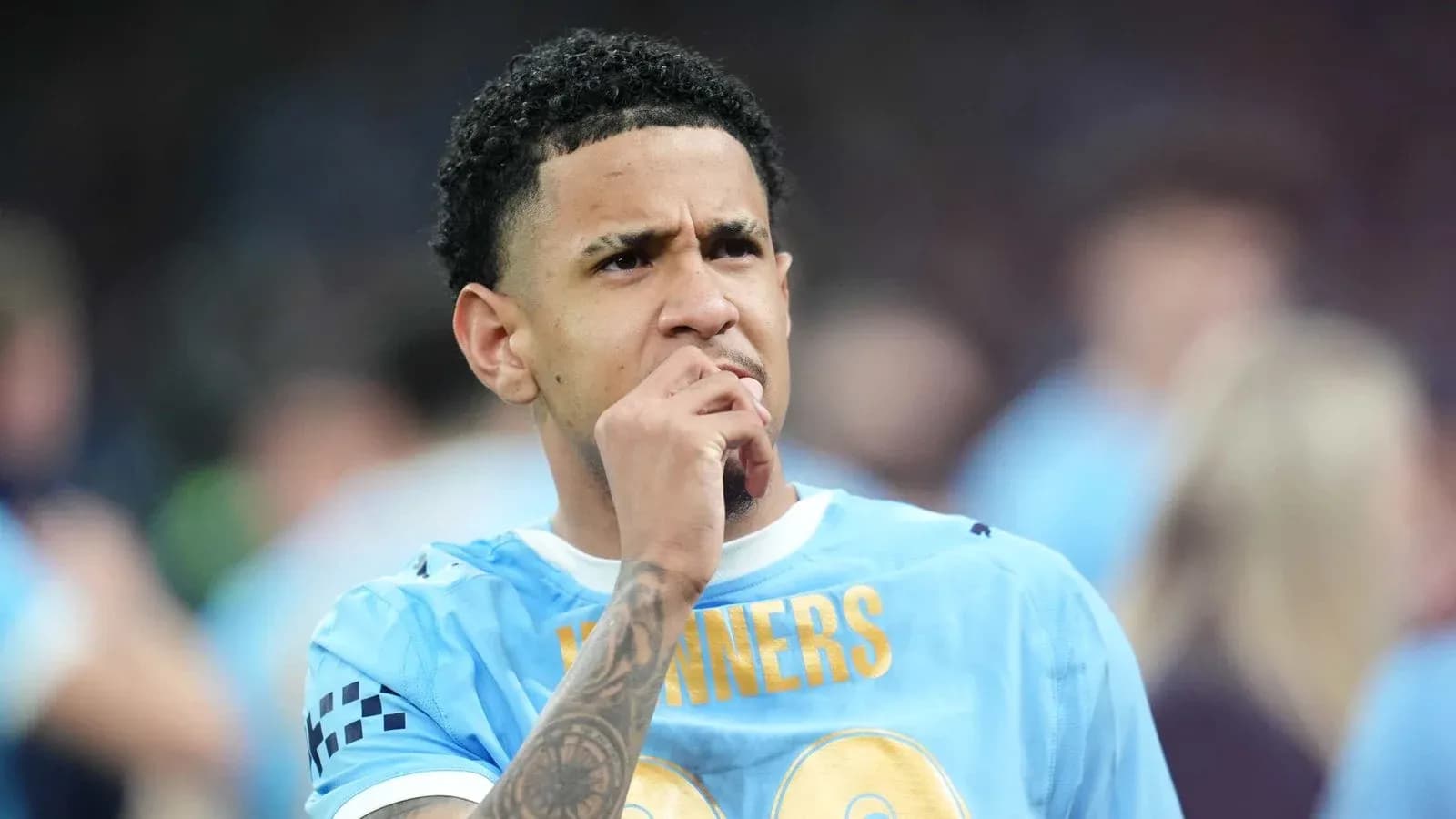
Tottenham have struck an £85m deal with Manchester City for Savinho, landing one of the window’s biggest transfers and underlining a radical new era of spending in north London.
Spurs will pay £75m up front for the Brazil international, with a further £10m tied up in add-ons. Of those bonuses, around £5m are regarded as virtually guaranteed, meaning City are set to bank at least £80m. For the Premier League champions, it would be a club-record sale, eclipsing Julián Álvarez’s £82m move to Atletico Madrid in 2024.
Savinho, 22, is due to undergo a medical on Friday afternoon as the final step before completing the move.
Spurs go all-in on firepower
Tottenham are not stopping at Savinho. Talks continue with City over a separate deal for striker Omar Marmoush as the club push to bulk up their attacking options before the window shuts.
Savinho arrives after a frustrating year in Manchester. Since joining City in 2024, he never nailed down a regular starting place, beginning only seven of his 24 Premier League appearances last season. He finished the campaign with one goal and two assists – flashes of quality, but nowhere near the volume of minutes a 22-year-old with his ambition expects.
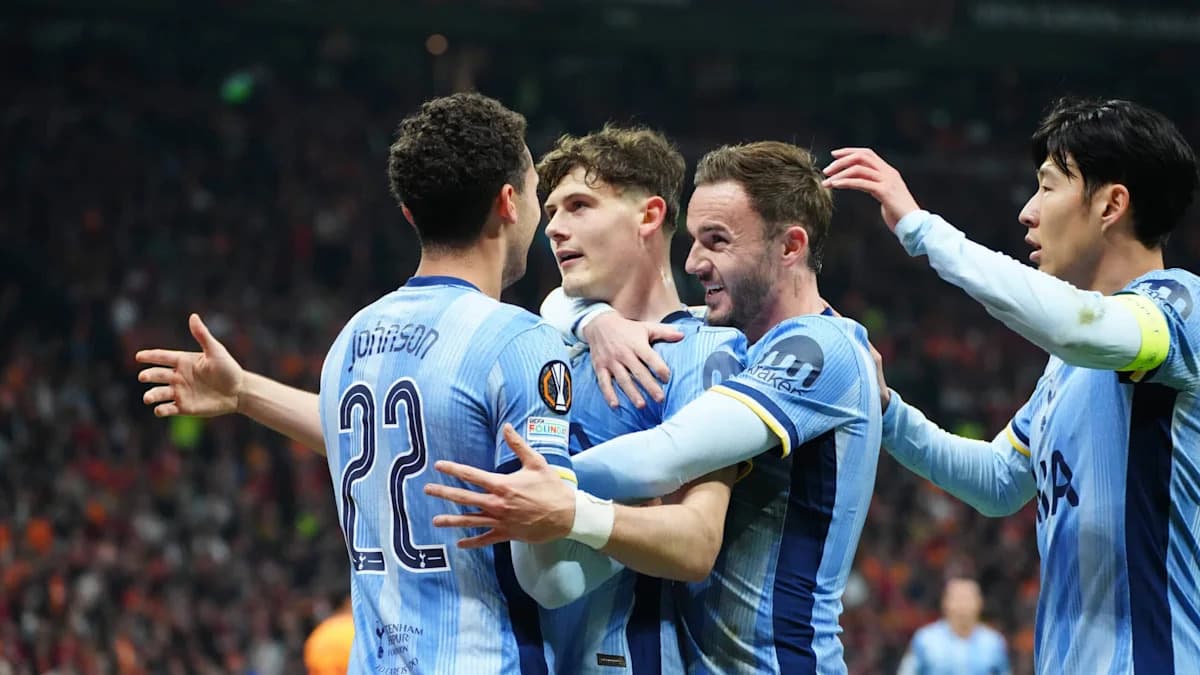
Spurs, by contrast, are offering opportunity and a starring role. They have already blown past the £200m mark on first‑team signings this summer, reshaping the squad at breakneck speed.
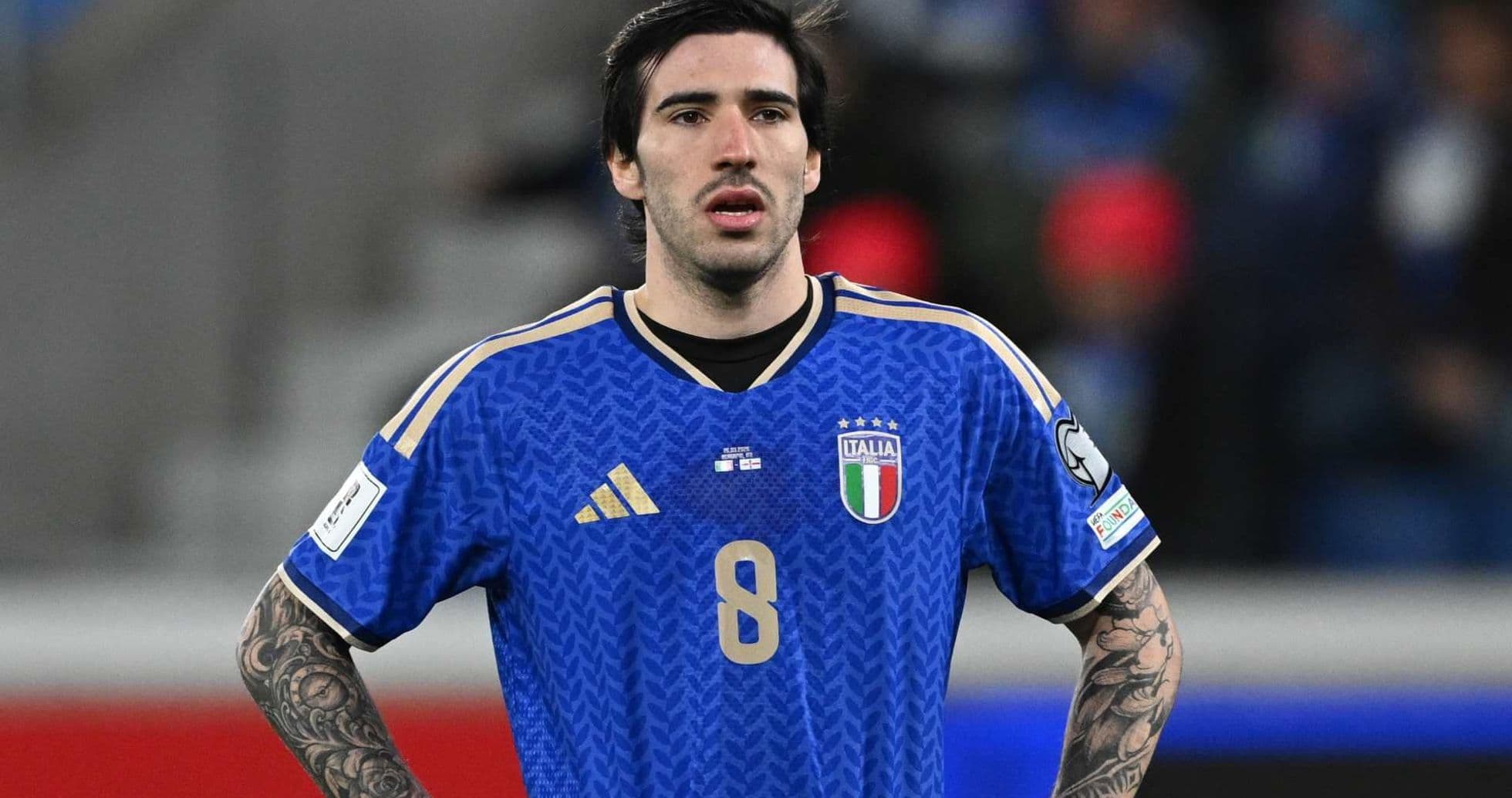
Two marquee midfielders have come through the door: Sandro Tonali from Newcastle and Matheus Fernandes from West Ham, a combined outlay of £185m. At the back, Jan Paul van Hecke has arrived from Brighton for £52m to replace Cristian Romero.
They have balanced those big cheques with smart free transfers. Marcos Senesi, Andy Robertson and Martin Dubravka have all joined without fees, bolstering depth and experience across the pitch.
This is not tinkering. It is a rebuild.
The money behind the revolution
The obvious question hangs over all of it: how are Tottenham spending like this?
Inside the club, the message is clear. There are no concerns about breaching the Premier League’s financial regulations. Years of consistent European qualification – 18 of the last 20 seasons – and the commercial power of their stadium have transformed the balance sheet.
The Tottenham Hotspur Stadium is a year-round money machine: Premier League football one week, boxing, concerts and NFL games the next. That multi-event model has pushed revenues to £549.2m a year, enough for Spurs to leapfrog Chelsea and sit ninth in the Deloitte Money League.
The league’s move from the old PSR model to a squad cost ratio has also favoured clubs with strong income streams and room to expand wage and amortisation costs. Spurs are one of the prime beneficiaries.
But the numbers only tell part of the story. The real shift is strategic. Daniel Levy’s departure at the start of last season has been followed by a new, more aggressive stance from the hierarchy. After surviving relegation on the final day, the owners publicly vowed to channel the club’s revenue into the first team. This window, they are making good on that promise.
The ambition is blunt: to “dine at the very top table” again. Deals like Savinho’s are the proof.
Maresca loses another big name
On the other side of the deal, Enzo Maresca is watching key pieces walk out of the Etihad before he has even overseen a competitive game.
The Italian steps into the most daunting job in club football, following Pep Guardiola’s nine-year, trophy-laden reign. His first summer has already seen Ballon d’Or and World Cup-winning midfielder Rodri agree a move to Barcelona.
Now Savinho is heading for north London, with Marmoush also in talks with Spurs.
Maresca has been frank about the situation. Asked if he tried to persuade Rodri to stay, he pointed to a simple truth: when elite players decide they want out, there is only so much a manager can do.
“It is quite clear when the player wants to leave, then it is complicated to convince them to stay,” he said. “It happened with Rodri and the same thing is happening with Savinho.
“Since day one, he has asked me that he wants to leave. So now we are waiting. But it's complicated.
“When the player is thinking that they need a new challenge, or they want to change because they probably want to go back to Spain, or they want to play more minutes or for a different reason. It becomes complicated then to convince them to stay.”
Savinho’s departure, then, is not a shock inside City. It is the end point of a summer-long stance from the player.
City face a late scramble
For City, the exits create a different kind of pressure. They may be cashing in, but they are also stripping depth from a squad that has powered their dominance.
Savinho and Marmoush are, in the club’s eyes, expendable. Both have been viewed as surplus to requirements during pre-season, and Maresca has made it clear that while they are welcome to fight for their place, he understands when players demand guaranteed football elsewhere.
The stance is straightforward: if a suitable offer lands, City will not block the move.
But that freedom comes with a cost. Lose both, and City are suddenly light in key attacking positions. Even losing one forces a rethink.
Inside the club, the expectation is that at least one replacement will be needed, and the ideal scenario is to bring in two. The problem is timing. The window closes in less than a fortnight, and these are not minor squad roles to fill.
Tottenham, meanwhile, are moving fast, spending hard and reshaping their squad with a ruthlessness rarely seen in the Levy era. If Savinho’s medical goes as planned, he becomes the latest symbol of a club determined to crash back into the elite – and a reminder to City that even serial winners can be forced into a late scramble when ambition knocks on the door with £85m.