Tottenham Hotspur's Ambitious Rebuild Under De Zerbi
Tottenham have spent the last two seasons flirting with disaster. Back-to-back 17th-place finishes turned the gleaming Tottenham Hotspur Stadium into a pressure cooker, and even Europa League glory in 2024-25 could not hide the fact that they were one bad afternoon away from catastrophe on the final day.
Roberto De Zerbi walked into that chaos, grabbed the wheel and just about kept Spurs on the road. He inherited a job that had slipped past Thomas Frank and Igor Tudor, then dragged a nervous, brittle squad over the line. Survival secured. Just.
Now comes the bill.
De Zerbi backed – and Spurs spend big
The Italian has been handed what his predecessors never truly received: a full reset. The message from the board is clear. This is no longer about clinging on. This is about changing the direction of the club.
Underperformers are being quietly ushered towards the exit. The arrivals door, by contrast, has barely stopped swinging.
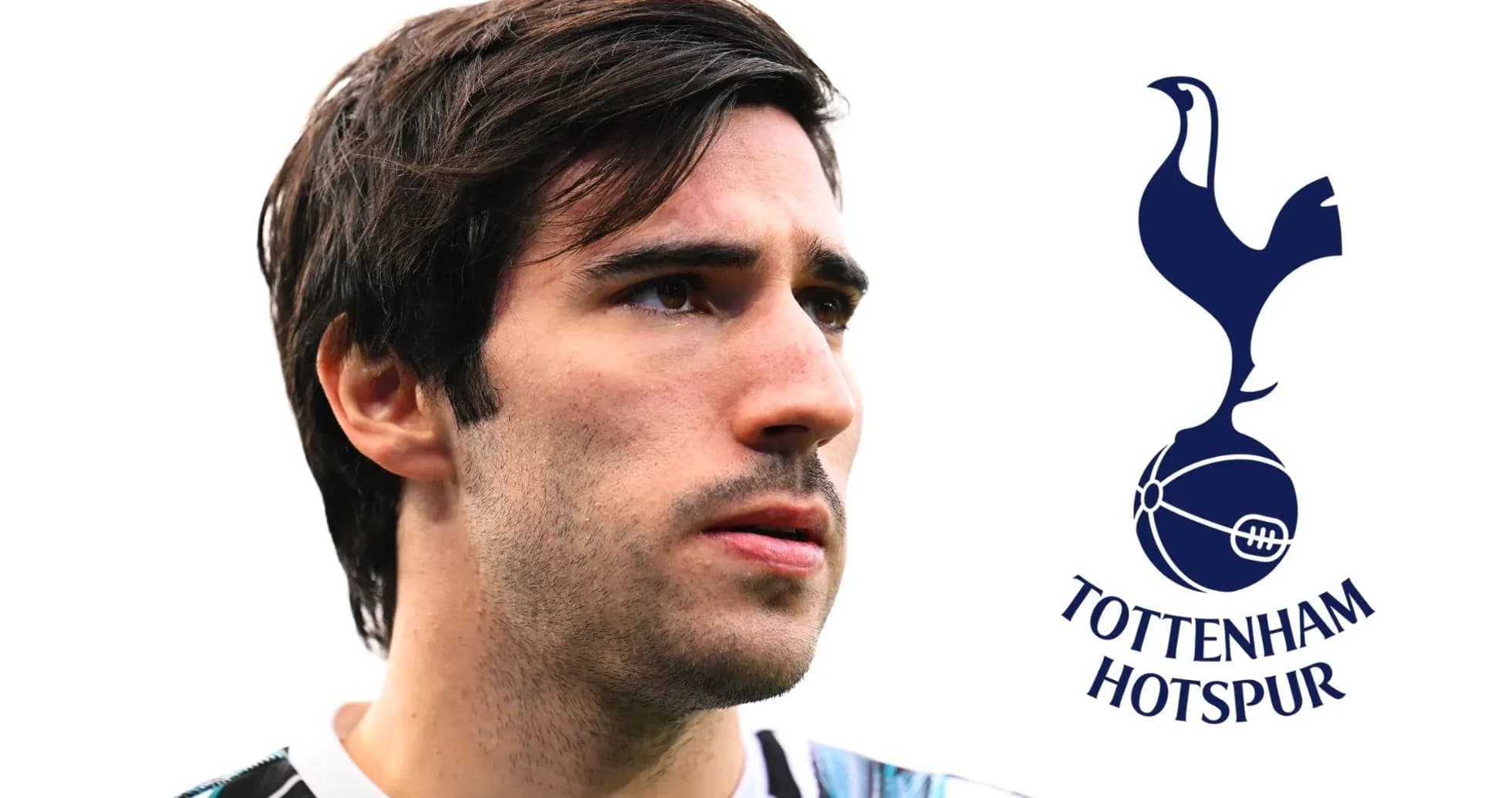
Italy international Sandro Tonali has arrived for huge money, a marquee signing in the heart of midfield. Mateus Fernandes, once of West Ham, is in to add craft and energy. Jan Paul van Hecke, a standout at Brighton, strengthens a defence that has looked fragile for too long. Rival clubs circled those names; Spurs still got them. That matters in a market where perception is everything.
The question is why Tonali chose north London.
London, money… and being “the main man”
Danny Murphy, who knows the club and the city as well as anyone, did not dodge the obvious lure when speaking to GOAL in association with BetWright football betting.
“I think it would be naive to think that London isn't a pull for a lot of the foreign boys,” the former Spurs midfielder said. His view is blunt: if one of the established superpowers – “Man U, Man City, Liverpool” – had matched Tottenham’s financial muscle and pushed as hard, Tonali may well have ended up elsewhere.
Because players talk about trophies. They think about medals. “To pick a location over winning trophies isn't something many players would do,” Murphy pointed out. But London still tugs at decisions. So do numbers on a contract.
Tottenham have “really pushed the boat out” to get Tonali, Murphy said. Wages, fee, commitment – all aggressive. Some of the other suitors, he suspects, simply did not go that far.
Yet he was keen to stress that this is not just a story of pay packets and postcodes. Conversations with coaches matter. Assurances matter. The promise of being central, not peripheral, can tilt a decision.
Murphy referenced situations he has seen before: players choosing the club where they are told they will be “the main man” and play every week, rather than a more glamorous name where minutes are not guaranteed. Tonali, he believes, is likely walking into that kind of role.
“I would imagine the mix of being the main man in the middle of the park, phenomenal wages, and London probably was a mixture of all three,” he said. Not greed alone. Not location alone. A package.
Murphy does not like to think of players moving purely for money or lifestyle, but he knows it happens. In Tonali’s case, he is convinced the footballing upside is huge. “I think that he's a terrific signing and they've done really well to get him irrelevant of the cost and the amount of wages. I think he'll really improve them.”
A bold squad – and a brewing problem
Tonali is not the only reason Murphy sees a shift in tone at Spurs.
“It's a statement of intent, much needed,” he said of the early business. Van Hecke brings Premier League nous and defensive discipline. Fernandes offers familiarity with the league and a different profile in midfield. There is also the looming return of James Maddison, whose creativity and personality were sorely missed. “Maddison coming back is going to be a big plus for them as well because we know what he brings.”
Yet the new ambition comes with a warning label.
Tottenham, stripped of European football, face a 38-game domestic slog with a squad that is, in Murphy’s words, “heavy” as things stand. One competition, a large group of senior professionals, and only so many minutes to go around.
“When you're not in Europe, you've got to be very good at your job as a manager to be able to keep that many players happy when you've only got Premier League football,” he said. That, he fears, “could become a little problematic unless we start seeing a bit of an exodus of players from Tottenham.”
And there lies the snag. Offloading players who underperformed last season, but sit on strong contracts, is never easy. “A lot of them who were poor last season, who were on good wages, how many takers have they got?” Murphy asked. The rebuild is under way, but it is far from complete.
Still, he likes what he sees so far. He likes Van Hecke. He likes Fernandes. He believes Tonali can transform the middle of the pitch. He believes Maddison’s return changes the dynamic again.
Realism, though, tempers the optimism.
What comes next?
For Murphy, the bar is clear. “Top six has got to be a realistic ambition,” he said. A leap straight into the top four, off the back of those 17th-place scrapes, feels “a push to jump that high so quickly.”
But top six? With Tonali anchoring the midfield, Maddison pulling strings, and De Zerbi finally shaping a squad in his image? That, in Murphy’s eyes, is within reach.
Tottenham have escaped the trapdoor. Now they are paying big money to climb again. Whether this bold, expensive gamble turns them back into a force, or simply leaves them bloated and frustrated outside the Champions League places, will define De Zerbi’s reign – and perhaps the club’s next decade.