Thierno Barry's Evolution: From Drought to Deliverance at Everton
Thierno Barry walked slowly, deliberately, towards the touchline. Hill Dickinson Stadium rose with him.
With fewer than 15 minutes left of Everton’s Premier League opener against Crystal Palace, the stadium announcer confirmed the change: match-winner Barry off, Beto on. The noise rolled around the ground. Barry, 23 years old and still new enough to Merseyside to feel every note of it, soaked it in.
He had earned this.
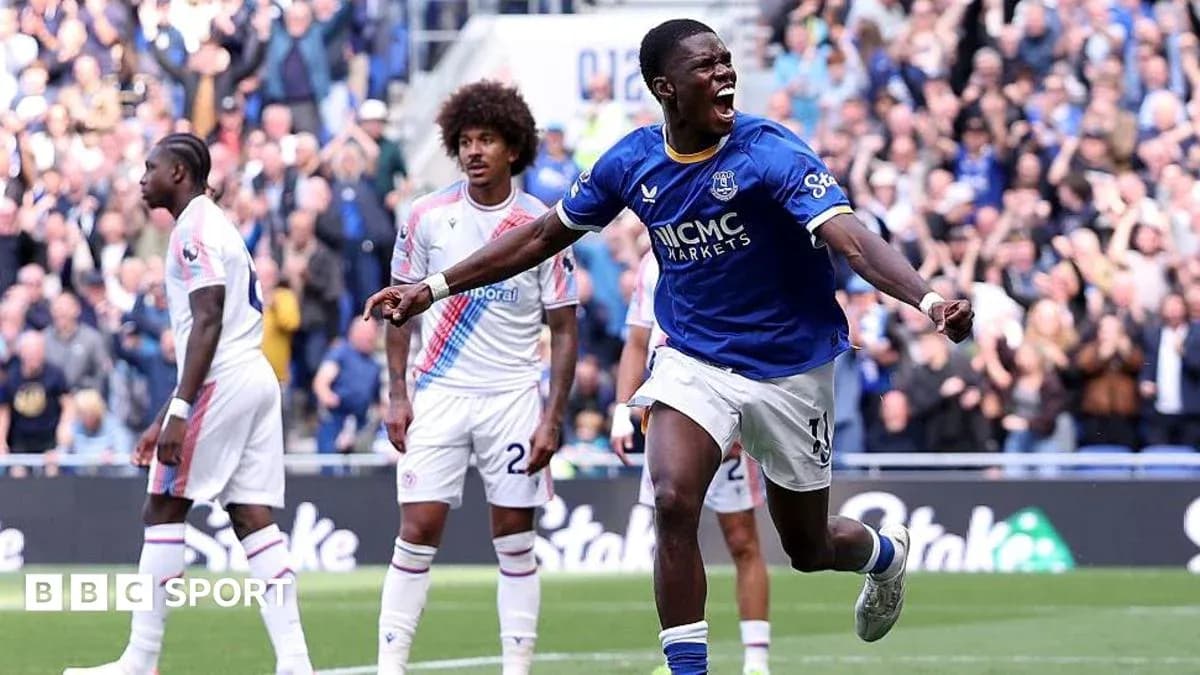
Early in the second half, with Palace still clinging to the idea of a comeback, Iliman Ndiaye bent in a teasing cross from the right. Barry attacked it, timing his run perfectly, and buried his header. Everton 2-0 up, the contest effectively done. He wheeled away grinning, swallowed by the sound from the Gwladys Street end.
A few months ago, that smile had been hard to find.
From drought to deliverance
Barry arrived from Villarreal last summer for £27m, carrying the weight of expectation that always comes with a sizeable fee and a highlight reel from La Liga. Eleven league goals in Spain suggested Everton had found a solution, not a project.
Reality bit. One goal in his first 18 Premier League appearances. A 14-game goal drought that stretched through the winter and tested the patience of a fanbase already frayed by years of struggle and off-field chaos.
This was a club still feeling the aftershocks of a points deduction for breaching the Premier League’s Profit and Sustainability Rules. A club that had lurched from manager to manager, season after season spent peering over the edge of the relegation trapdoor. When David Moyes and his recruitment team went hunting for a striker, they knew they were shopping in a different aisle to the elite. No finished products. No guarantees.
So Barry arrived as potential, not polish. Everton knew it. He knew it. Not everyone wanted to hear it.
Then January came, and with it a shift. Barry’s season finally caught fire. By the end of his debut campaign he had eight Premier League goals in 38 appearances – a modest total at first glance, but one that looked far more impressive in context.
Half of those goals came after Jack Grealish, Everton’s creative heartbeat, suffered a season-ending injury in January. As the supply line frayed and some team-mates faded under the strain of a European push, Barry’s form went the other way. He sharpened.
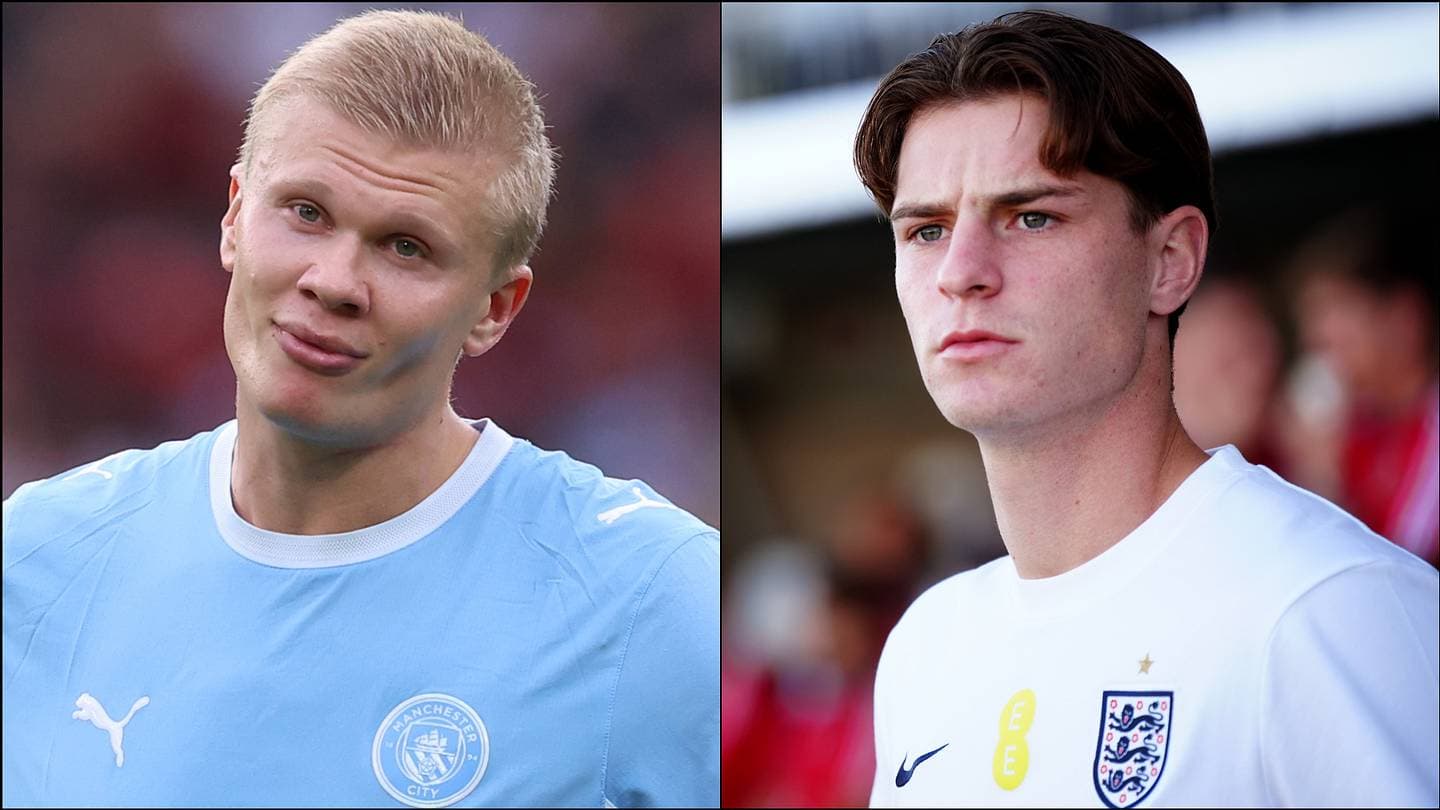
The numbers backed it up. Eight goals from an xG of 8.1. A shot conversion rate of 21.1% – brushing shoulders with Erling Haaland’s 21.4%. Not hype. Hard data.
Moyes’ demands
So when Moyes faced the media deep in the bowels of Hill Dickinson Stadium after the 2-0 win over Palace, he resisted any temptation to declare Barry the finished article.
"Look, strikers will probably be judged on their goals, so he can walk away and be really happy with it," the Everton manager said, before quickly widening the lens.
He wanted to talk about the cross. About Ndiaye’s quality delivery. About Barry finding the right area at the right time.
"Thierno getting in the right spot was huge and scoring with a header was really big for us because it was an important time in the game."
But there were moments that irritated him. Times when Barry drifted needlessly into wide areas, leaving the box empty. Breaks that broke down when he failed to bring fizzed passes under control. For a manager who once moulded a teenage Wayne Rooney, the standards for a Premier League forward are non-negotiable.
"I need his build-up play to be better," Moyes said. "I need him to be able to retain the ball for us so we can play into him more often.
"I want him to get in the right spaces, which he did today for the cross. He had a couple where the ball got played to him and he didn't quite deal with it with his feet.
"Sometimes he is out linking up when he doesn't need to be linking up. I think there is a lot to his game."
That is the balance Everton are trying to strike: nurturing the instinctive finisher who ghosts into scoring positions, while hammering into shape the centre-forward who can be a platform, a reference point, a constant problem.
A different Barry walks back in
What encourages Moyes most is not just the goals, but the attitude shift he has seen since Barry returned for pre-season.
"I said last year that when you're a young striker coming in, it's not always easy," he added. "I think he's come in with a really, really positive attitude this year.
"I think he's come back with something that has stirred him up a little bit more, as if he's got something to prove."
That edge matters. Everton are trying to step out of the long shadow of survival football and build something more ambitious, even while working within financial constraints and the scars of recent seasons. They needed a forward who could grow with them, not one passing through on reputation.
Barry now looks ready to be that figurehead. Not complete. Not yet close. But dangerous, trusted, and increasingly central to how Everton attack.
As he left the pitch to that standing ovation, the contrast with the tense, goalless afternoons of last year could not have been starker. Back then, every missed chance felt like a verdict. Now, every run into the box feels like a threat.
The question for Everton, and for Barry, is no longer whether he belongs. It’s how far, and how fast, he can drag this team with him.