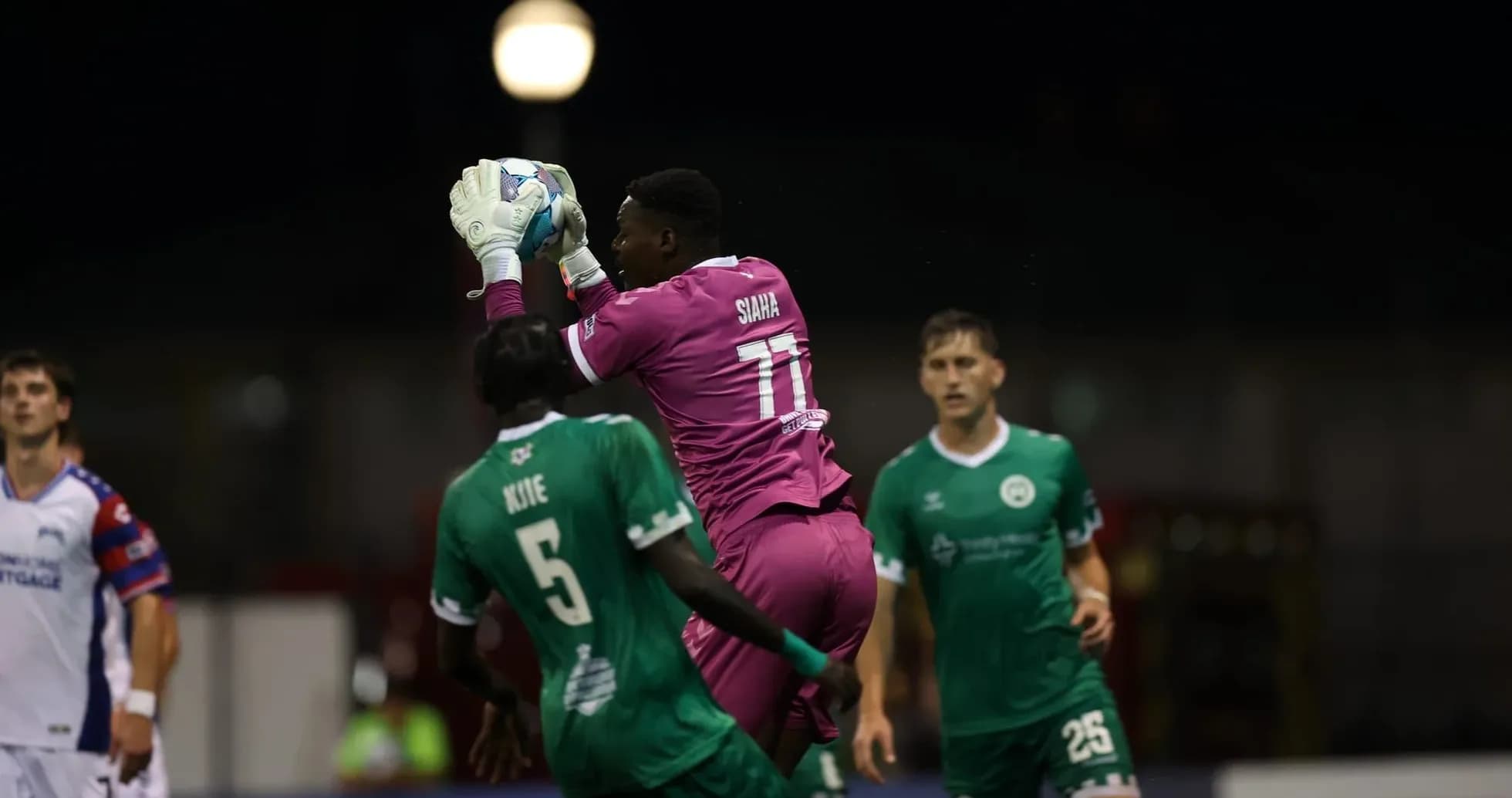
Tampa Bay Rowdies vs Hartford Athletic: Tactical Breakdown of a 1–0 Upset
Under the lights at Al Lang Stadium, Tampa Bay Rowdies walked in as league leaders and standard‑bearers of attacking fluency in the USL Championship’s Group Stage. Hartford Athletic arrived as the division’s awkward puzzle: defensively improved on their travels, stubborn in tight games, and quietly assembling a playoff résumé. Ninety minutes later, the scoreboard told a stark story: Tampa Bay 0–1 Hartford, a statement away win that reshapes the tactical narrative for both squads.
Tampa Bay's Profile
Heading into this game, Tampa Bay’s seasonal profile was that of a front‑foot contender. Overall they had played 13 matches, winning 8, drawing 4 and losing just 1, with 21 goals for and 8 against. The overall goal difference of 13 exactly mirrored the table, a reflection of balance as much as dominance. At home, they had been especially ruthless: 7 games, 4 wins, 2 draws, 1 loss, with 14 goals scored and only 6 conceded. An average of 2.0 goals for at home against 0.9 conceded painted Al Lang as a venue where the Rowdies usually impose their rhythm early and then manage the game with control.
Hartford's Approach
Hartford, by contrast, came in as the seventh‑placed side with 17 points from 11 matches, their overall goal difference locked at 0: 10 scored, 10 conceded. The nuance lay in the split. At home they had struggled to both score and defend, but away from home they were a different proposition: 6 games, 3 wins, 2 draws, 1 loss, with 6 goals for and 3 against. Averaging 1.0 goal for and only 0.5 against on their travels, Hartford had quietly built an away identity rooted in compactness and clinical counter‑punching.
Team Sheets
The team sheets underlined those identities. Dominic Casciato’s Tampa Bay XI was built around technical control and vertical running: A. Pack and S. Cruz anchoring the deeper structure, B. Schaefer and N. Dossantos offering defensive security, while the creative spine ran through L. Perez, Pedro Becker, E. Conway and M. Micaletto. Mattheus floated as a connective piece between lines, and M. Myers led the line as the reference point. On the bench, the presence of L. Hilton and R. Cicerone promised a change of tempo and range if the game demanded late attacking adjustments.
Brendan Burke’s Hartford selection leaned into solidity and transition. A. Siaha in goal, shielded by A. Diz, J. Scarlett, B. Fischer and B. Njie, provided the structural base. In front of them, J. Moreira, S. Anderson and S. Careaga formed a hard‑working midfield axis, with B. Coffey and E. Samadia tasked with linking defensive work to attacking breaks. The key outlet, though, was M. Ngalina, whose pace and directness are tailor‑made for away‑day counter‑attacks. From the bench, A. Williams and S. Anaku offered fresh legs to stretch tired defenses late on.
Match Dynamics
Tactically, the voids in this match were less about absences and more about how each team dealt with pressure and discipline. There was no explicit injury list, so both coaches had near‑full arsenals. The season‑long card profiles, however, hinted at where the contest could become ragged. Tampa Bay’s yellow cards had clustered late, with 24.32% arriving between 76–90 minutes and another 21.62% between 61–75. Hartford’s pattern was similar but more volatile: 21.43% of yellows in 46–60, 21.43% in 76–90, and a striking 21.43% between 91–105, coupled with red cards emerging late in games. This statistical tendency suggested a second half where tactical structure might fray under fatigue and pressure.
Strategic Matchup
The “Hunter vs Shield” matchup framed this fixture even before kickoff. Tampa Bay, with an overall average of 1.6 goals per game and 2.0 at home, typically overwhelm defenses with waves of movement from E. Conway and the creative intelligence of M. Micaletto and Mattheus between the lines. Hartford’s “shield” on their travels had been remarkably firm: just 3 goals conceded in 6 away matches, an average of 0.5. J. Scarlett’s reading of danger, B. Fischer’s positioning, and B. Njie’s work as a left‑sided defender formed the spine of that resistance, with A. Siaha as the last line.
Game Outcome
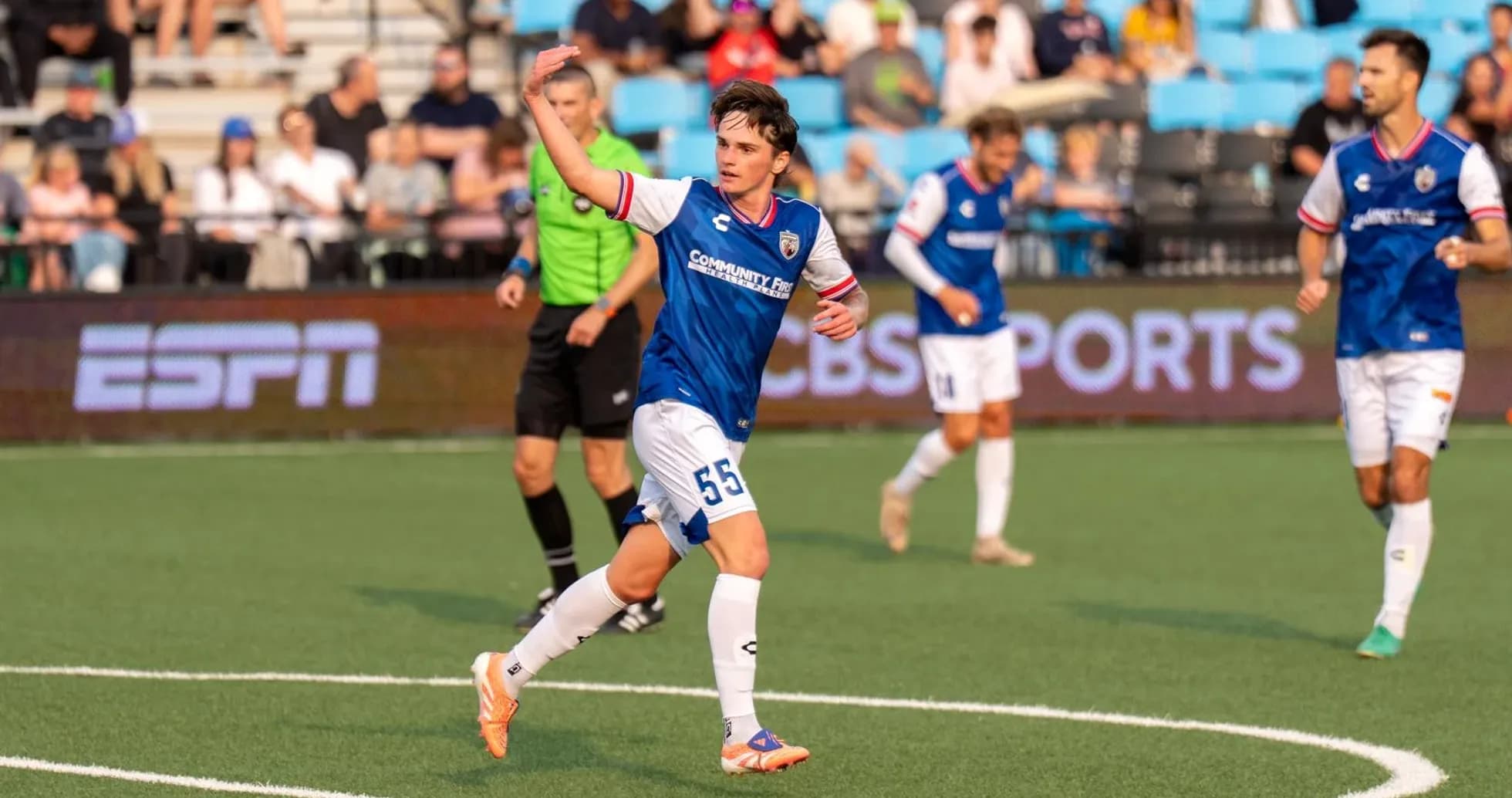
On the night, Hartford’s shield held. The 1–0 scoreline away from home is exactly the type of result their statistical profile foreshadowed: low‑scoring, controlled, and decided by their ability to limit high‑value chances. Tampa Bay, usually so fluid at Al Lang, were forced into more sterile possession, with M. Myers often isolated and the creative midfielders crowded out by Hartford’s compact block. Without a reliable penalty avenue—both teams had taken no penalties this season, with 0 total and 0% conversion—there was no easy bailout route from the spot.
Midfield Battle
In the “Engine Room,” the duel between Tampa Bay’s ball‑players and Hartford’s enforcers was decisive. Players like Pedro Becker and L. Perez are typically tasked with progressing play and dictating tempo. Against them, S. Careaga and J. Moreira worked tirelessly to disrupt passing lanes, while S. Anderson added defensive bite on the flank. Hartford’s midfield did not need to out‑create Tampa Bay; they only needed to break their rhythm often enough to keep the game in the low‑margin zone where a single chance could decide it.
Future Meetings
Statistically, the prognosis for future meetings between these sides tilts toward balance rather than dominance. Tampa Bay’s overall defensive record—just 8 goals conceded in 13 matches, an average of 0.6 per game—remains elite, and this 1–0 defeat does not shatter that foundation. Hartford’s away metrics, meanwhile, are now reinforced by a marquee scalp: they continue to concede at a rate of roughly 0.5 goals per away match and have added another clean sheet to an already impressive total of 4 on the road and 6 overall.
Tactical Lessons
Following this result, the tactical lesson is clear. Against Hartford’s travel‑hardened block, Tampa Bay may need to introduce more unpredictability and earlier changes from the bench—using the likes of R. Cicerone or L. Hilton sooner to disrupt the away side’s structure. For Hartford, this win validates their blueprint: disciplined defending, ruthless focus on shape, and the trust that players like M. Ngalina and B. Coffey can turn limited possession into decisive moments.
In a league where both sides are tracking toward the USL Championship playoffs and the tension of 1/8‑finals awaits, this match felt like a rehearsal for knockout football: tight margins, tactical patience, and the growing sense that Hartford Athletic, particularly on their travels, are a side no one will want to draw.