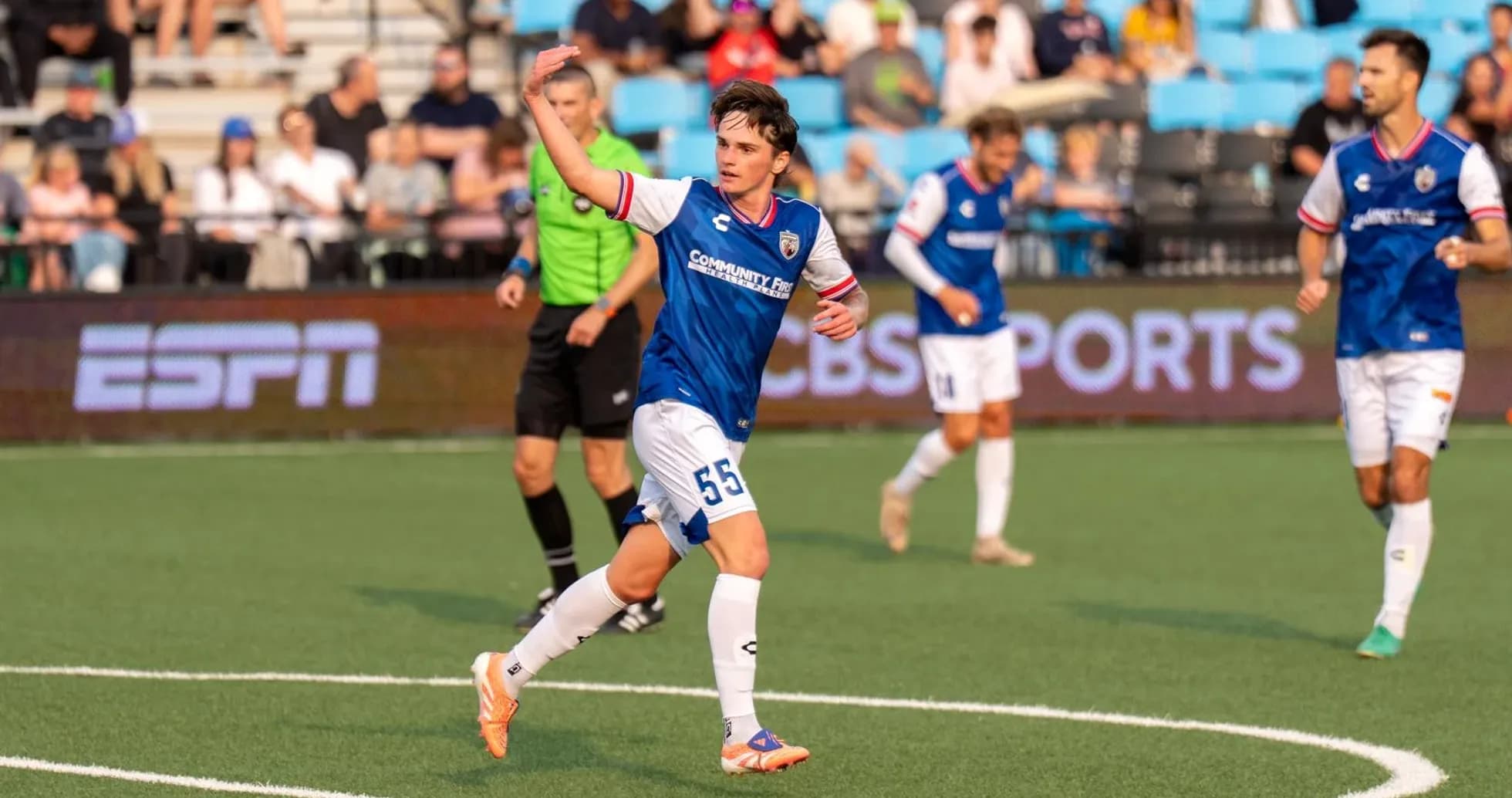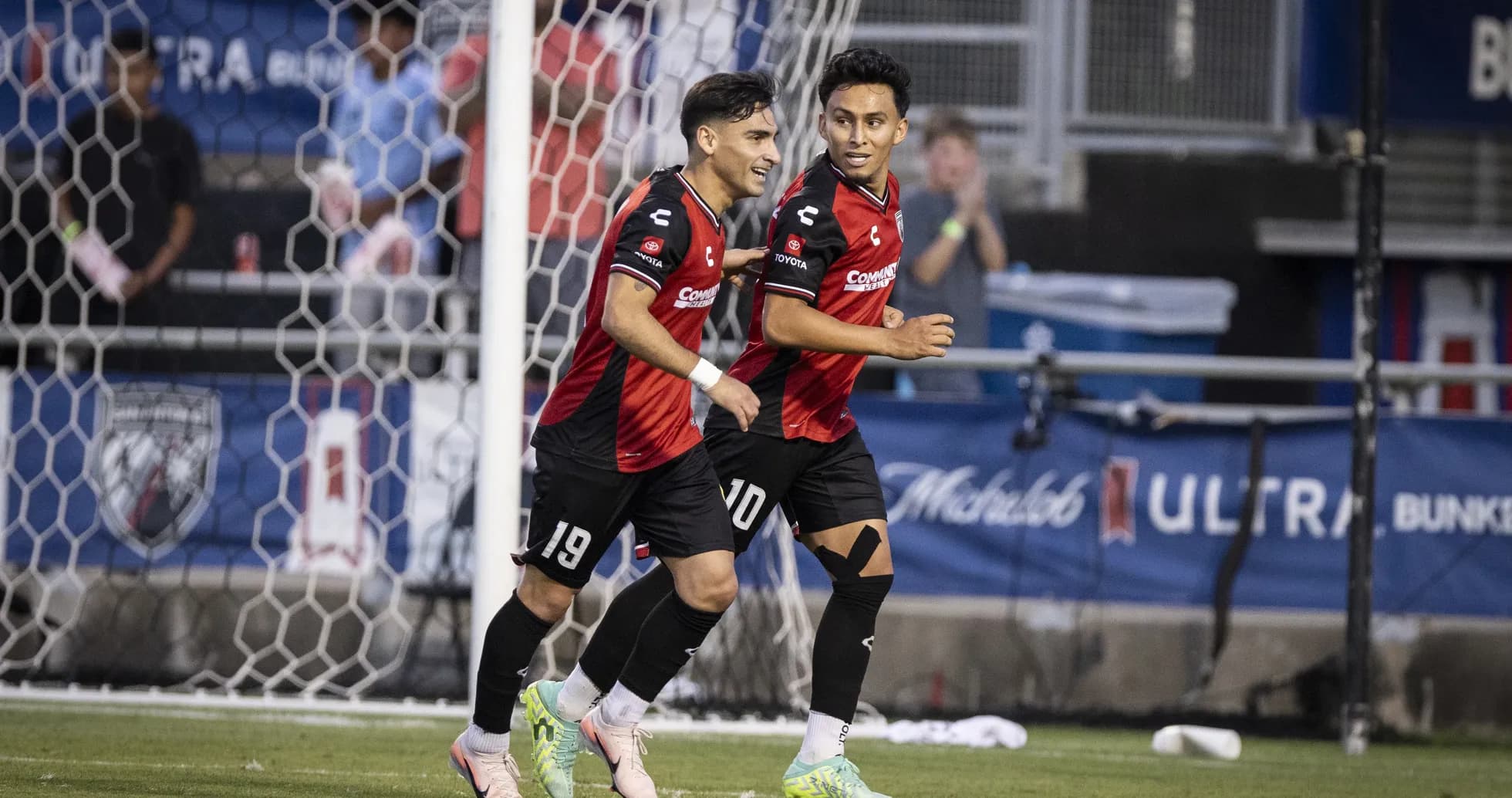
Tampa Bay Rowdies vs Charleston Battery: A Tactical Standoff
Under the St. Petersburg lights at Al Lang Stadium, the league leaders Tampa Bay Rowdies were forced into introspection. A 2–2 draw with Charleston Battery, sealed in regular time under the watch of referee E. Osmanovic, felt less like a routine group-stage checkpoint in the USL Championship and more like a tactical stress test for two sides with play-off ambitions.
I. The Big Picture – Two Identities Colliding
Heading into this game, Tampa Bay’s seasonal DNA was clear: control, efficiency, and defensive parsimony. Overall this campaign they had played 12 matches, winning 8 and drawing 4, with no defeats. Their goal difference of 14 came from 21 goals for and 7 against, underpinned by a total average of 1.8 goals scored and 0.6 conceded per match. At home, they were even more assertive: 6 played, 4 wins, 2 draws, 14 goals for and 5 against, with an average of 2.3 goals scored and 0.8 conceded.
Charleston arrived as something more volatile. Overall this campaign they had played 11 matches, winning 5, drawing 2 and losing 4, with a total goal difference of 1 (16 scored, 15 conceded). At home, they looked like contenders (4 wins, 1 draw, 12 goals for, 4 against), but on their travels the picture was far more fragile: 6 played, just 1 win and 1 draw, 4 goals scored and 11 conceded, with an away average of 0.7 goals for and 1.8 against.
Against that backdrop, a 2–2 away draw for Charleston was a statement. For Tampa Bay, it was a reminder that even the most balanced side can be rattled when the opposition leans into chaos.
II. Tactical Voids and Disciplinary Undercurrents
There were no officially listed absentees in the data, so both coaches, Dominic Casciato and Ben Pirmann, effectively had full decks to play with. Instead of missing personnel, the “voids” in this match were structural and emotional: how each team managed game states, and how they flirted with the disciplinary line.
Tampa Bay’s season-long card profile hints at a side that grows more combative as matches wear on. Their yellow cards spike in the 31–45 minute range (20.00%) and then again from 61–75 and 76–90 minutes (both 22.86%). It is the pattern of a team that presses aggressively, tries to suffocate the middle phases, and is willing to absorb cautions to maintain control.
Charleston’s distribution is similar but more extreme at key junctures: 24.00% of their yellows come between 31–45 minutes and another 24.00% in the 76–90 window. They, too, tilt toward intensity just before and just after the interval, but with a more volatile edge. This match, with Tampa leading 1–0 at half-time and Charleston clawing back to 2–2 by full-time, fit that emotional arc: a contest that frayed as it matured.
III. Key Matchups – Hunter vs Shield, Engine vs Engine
Without explicit top-scorer data, the “Hunter vs Shield” duel becomes more collective than individual. Tampa Bay’s attack is built on a spread of contributors: M. Myers leading the line, supported by L. Perez and M. Micaletto, with M. Schneider and S. Cruz providing legs and balance behind them. Overall this campaign, Tampa Bay have never failed to score, home or away. That reliability is tactical as much as technical: they average 2.3 goals at home, and their biggest home win (3–0) reflects a side that can put games away early.
Charleston’s “shield” is not inherently weak, but it is split: at home they concede just 0.8 goals on average, yet away they leak 1.8. The back line of D. Martinez, S. Suber, G. Smith, J. Akpunonu and N. Messer faced a daunting assignment against a Rowdies side that thrives at Al Lang. Holding Tampa to 2 goals, given those trends, will feel like a partial victory and a template for future away trips.
In the “Engine Room,” the duel between Tampa’s central operators and Charleston’s midfield triangle was decisive. M. Micaletto and S. Cruz, flanked by the work of C. Ostrem and M. Schneider, usually give Tampa Bay a platform to dictate tempo. Their low total average of 0.6 goals conceded reflects not just a strong back line, but a midfield that screens intelligently and recovers second balls.
Charleston countered with E. Ycaza and C. Allan knitting play between the lines, while M. Foster and J. Kelly offered vertical running to disrupt Tampa’s structure. M. Berry, wearing 90, acted as a focal point. For a side that had failed to score in 4 away matches overall this campaign, finding 2 goals on this ground signals that the interplay between those pieces is maturing.
IV. Statistical Prognosis – Lessons for the Next Chapter
Following this result, the numbers still favour Tampa Bay as the more complete unit. Their unbeaten record across 12 matches, 7 clean sheets in total, and the fact they have never failed to score suggest that on most days their underlying xG profile will outstrip opponents, especially at home.
Charleston, by contrast, remain a split personality: ruthless at home, fragile on their travels. The away averages of 0.7 goals scored and 1.8 conceded paint a picture of a side that typically loses the xG battle on the road. Yet this 2–2 draw at Al Lang hints at an upward correction: the front unit of Berry, Kelly and Foster, supported by Ycaza, looks capable of generating higher-quality chances than their earlier away returns suggest.
Tactically, the intersection that will define future meetings is clear. Tampa’s tendency to become card-heavy and combative from 61–90 minutes collides with Charleston’s own late-game surge in yellow cards and emotional intensity. In a knockout or high-stakes play-off setting, that overlap could tilt the balance through a single dismissal or a decisive set-piece.
The prognosis, then, is nuanced. Tampa Bay’s defensive solidity and consistent scoring still make them favourites in any rematch, with the expectation that their xG edge and home averages will normally carry them. But Charleston have now shown they can bend those probabilities, even in a hostile venue. The next time these two meet, it will not just be first against fifth in the table; it will be a tactical sequel between a methodical machine and a dangerous, if erratic, disruptor that has already proved it can punch above its away numbers.