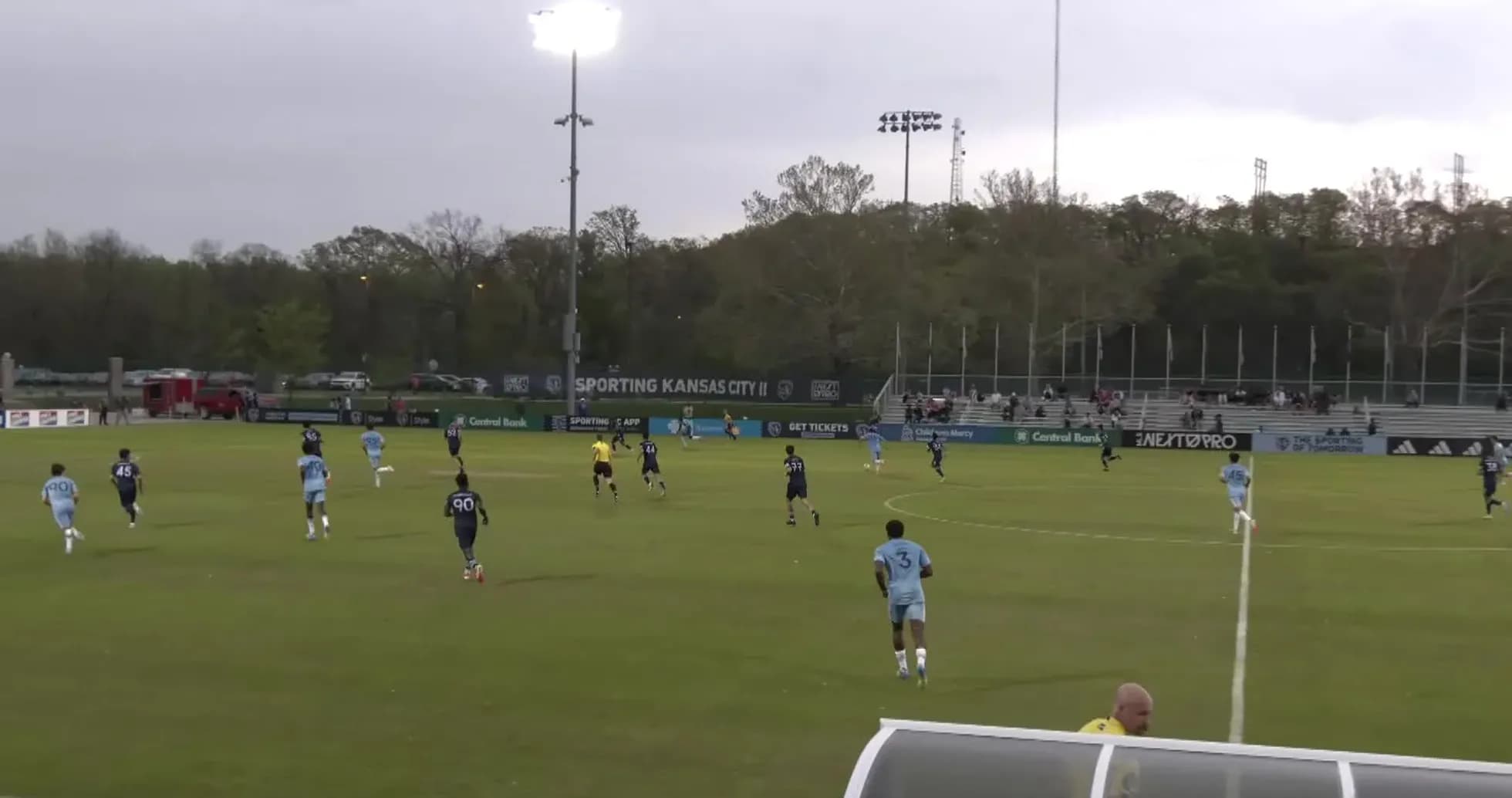
Sporting KC II vs Tacoma Defiance: A Clash of Contrasting Identities
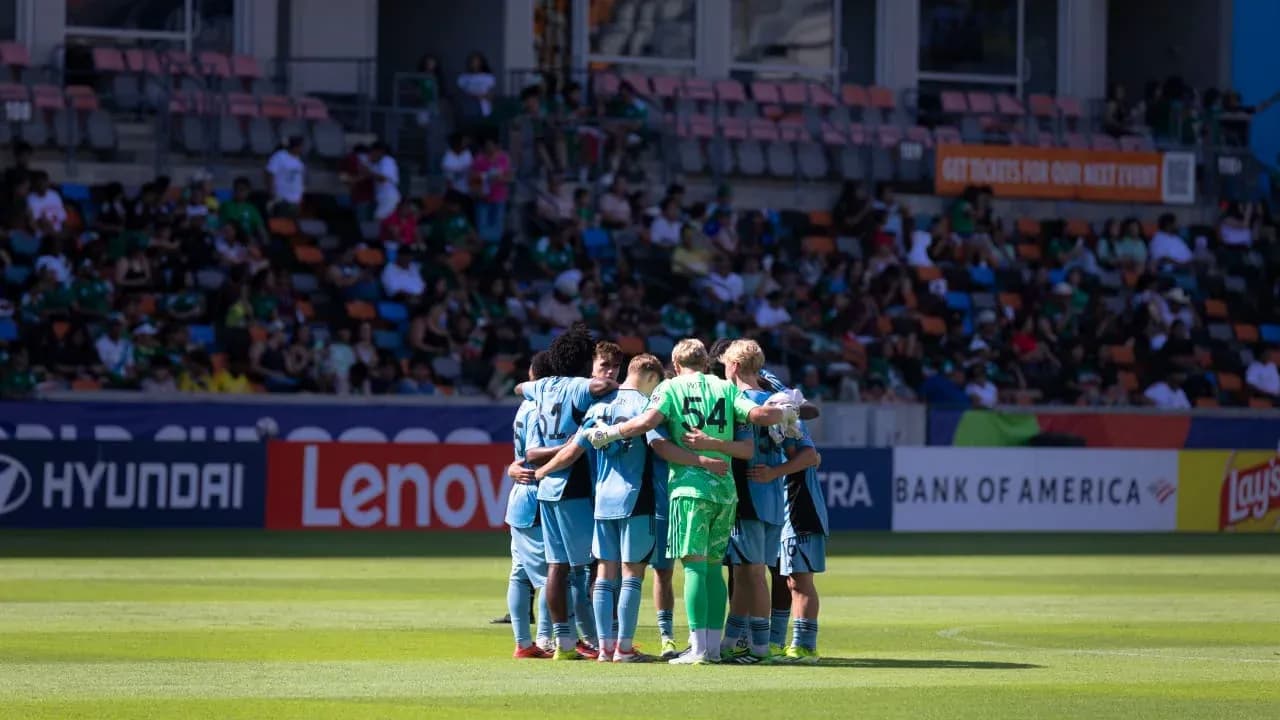
Under the lights at Swope Soccer Village, this MLS Next Pro group-stage tie between Sporting KC II and Tacoma Defiance stretched the full 120 minutes and then beyond, into the cold clarity of a penalty shootout. The scoreboard read 2-2 after extra time, but Tacoma’s 4-2 success from the spot cast the evening as a story of contrasting identities: a home side still searching for defensive stability and a visiting team whose fragile league form belied a steely, cup-style resilience.
I. The big picture: fragile foundations, different ceilings
Following this result, the broader seasonal context remains stark for both. Sporting KC II sit 6th in the Frontier Division and 13th in the Eastern Conference mini-table with 7 points from 10 matches. Overall they have scored 12 goals and conceded 28, giving them a goal difference of -16 (12 minus 28) across the campaign. At home, they have played 7 league fixtures, winning 1 and losing 6, with 7 goals for and 19 against. The pattern is clear: they can occasionally punch forward, but their defensive structure at home is porous, allowing an average of 2.7 goals per game.
Tacoma Defiance, 7th in the Pacific Division and 12th in the Eastern Conference snapshot, are hardly dominant but carry a more balanced profile. Overall they have 12 goals for and 16 against, a goal difference of -4. On their travels, they have 1 win and 2 losses from 3 league matches, with 4 goals scored and 8 conceded, an away average of 1.3 goals for and 2.7 against. They are not watertight, but they are more compact than Sporting KC II and clearly more comfortable in tight, attritional contests.
This penalty-decided draw fits those identities: Sporting KC II once again found ways to score but could not shut the door, while Tacoma, despite their own defensive blemishes this season, were better equipped mentally and structurally to survive 120 minutes and then execute from the spot.
II. Tactical voids and disciplinary undercurrents
With no formal list of absentees, both coaches leaned heavily on their core groups. Ike Opara’s Sporting KC II XI, built around the spine of J. Kortkamp, N. Young, G. Quintero and M. Rodriguez, hinted at a side that wants to be expansive but often overexposes itself. The absence of any clean sheets this season, both home and away, underlines that there is no settled defensive block to lean on when the game slows or becomes transitional.
Tacoma, under Herve Diese, fielded a side that looked more balanced on paper: N. Newman anchoring from the back, a defensive band including C. Baker and S. Hawkins, and a front line with S. Gomez and O. De Rosario offering vertical threat. Their season numbers show only 1 clean sheet overall, but an overall goals-against average of 1.8 suggests a unit that can bend without always breaking.
Disciplinary data across the season paints a further tactical shadow. Sporting KC II’s yellow cards are spread, but with pronounced spikes: 21.43% of their bookings arrive between 31-45 minutes and another 21.43% between 76-90 minutes, with an additional 14.29% between 91-105 minutes. That pattern suggests emotional and structural instability around key transition phases – just before half-time, in the closing stretch of normal time, and early in extra time. In knockout or penalty-bound matches, that volatility is dangerous; it often forces Opara’s hand in terms of substitutions and tempo control.
Tacoma’s yellow card curve is different: 36.36% of their cautions arrive between 31-45 minutes and 27.27% between 76-90 minutes. They too spike around the halves, but with fewer bookings in extra-time ranges and no red cards overall. It suggests a team that pushes the edge in competitive moments but generally maintains enough discipline to avoid self-destruction – a trait that aligned perfectly with the demands of a 120-minute grind and a shootout.
III. Key matchups: hunter vs shield, engine room vs enforcer
Without individual scoring tables, the “Hunter vs Shield” battle becomes more collective. Sporting KC II’s attack at home averages 1.0 goal per match, facing a Tacoma defence that, overall, concedes 1.8 goals per game and 2.7 away. On paper, that should have given the hosts enough openings, and the 2-2 scoreline after extra time reflects their ability to create and finish phases of pressure.
The real imbalance lies on the other side. Tacoma’s overall attacking average of 1.3 goals per match met a Sporting KC II defence that concedes 2.8 per game overall and 2.7 at home. That is the soft underbelly of Opara’s side. Even when his front unit, with players like K. Hines and M. Rodriguez, can stretch opponents, the back line and midfield screen struggle to protect leads or ride out periods of pressure.
In the “engine room”, the contrast is philosophical. Sporting KC II’s season form line of LLWLLLLWLL tells the story of a side that rides waves: they can be electric for a game, then collapse for several. There is no statistical evidence of a midfield capable of controlling game-state, especially once fatigue and tension set in. Their failure to keep a single clean sheet overall reinforces that the block in front of J. Kortkamp is constantly under siege.
Tacoma’s form – LLWLLLLWW – is equally streaky but ends on a rising note. Those back-to-back wins prior to this fixture hint at an emerging core in midfield, with players like M. O’Neill and P. Kingston able to handle the dirty work, compress space, and keep Tacoma competitive in matches where they do not dominate possession. In a long, attritional contest, that steadier “enforcer” profile mattered more than Sporting KC II’s sporadic creativity.
IV. Statistical prognosis and the penalty epilogue
From a statistical lens, this game was always likely to be open. Sporting KC II concede at a rate that invites high xG against, particularly at home. Tacoma, while not prolific, generate enough chances to profit from defensive uncertainty. A 2-2 draw over 120 minutes aligns with those season-long trends: both sides found space, both defences bent repeatedly, and neither could manage the kind of low-xG, controlled performance that kills a cup tie early.
In penalty terms, both teams entered with identical season records from the spot: 1 penalty taken, 1 scored, 0 missed, each with a 100.00% conversion rate. The shootout in Kansas City was therefore a psychological test rather than a numbers-driven inevitability. Tacoma’s 4-2 edge from the spot can be read as the final expression of their comparative mental stability: fewer disciplinary spikes in extra time, a slightly sturdier defensive identity, and a squad more accustomed to surviving rather than outscoring.
Following this result, the tactical lesson for Sporting KC II is clear. Their attacking flashes will keep them in games, but until the defensive structure and emotional control improve, every knockout-style contest risks drifting toward chaos and coin-flip endings. Tacoma Defiance, meanwhile, leave Swope Soccer Village with more than progression; they carry proof that, even with a negative goal difference overall, their compactness and resilience can tilt tight, high-pressure nights in their favour.