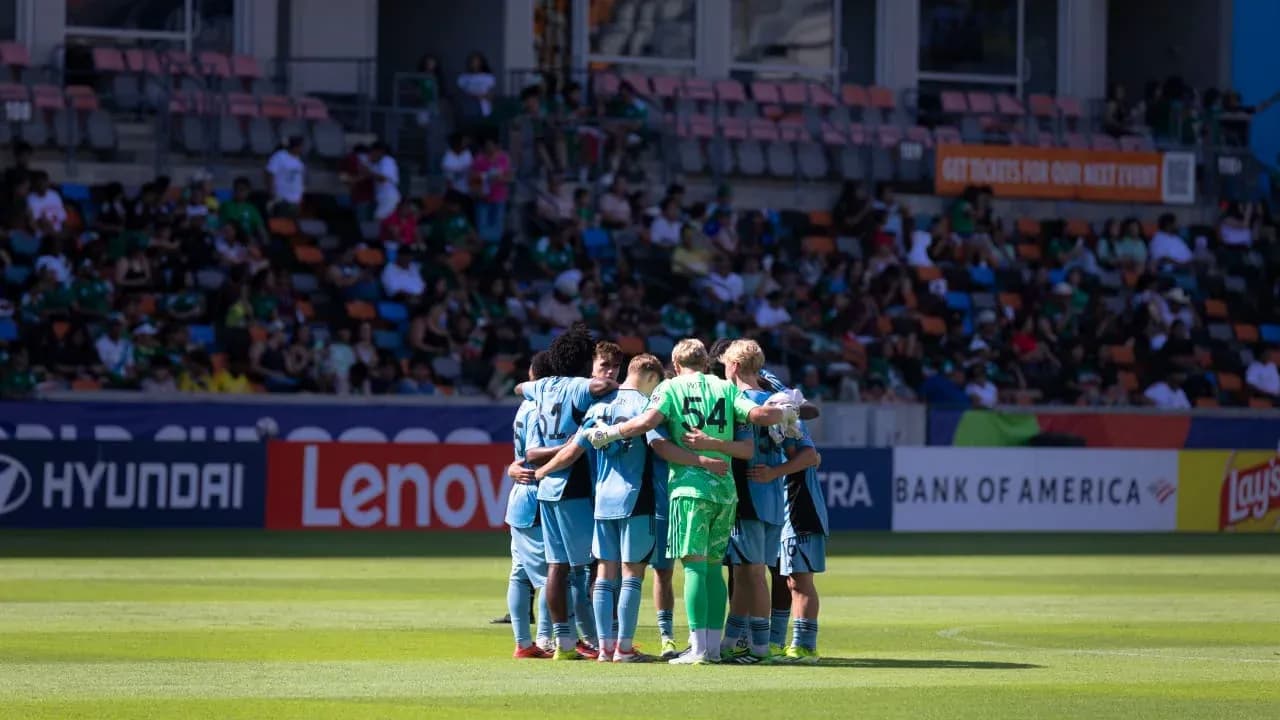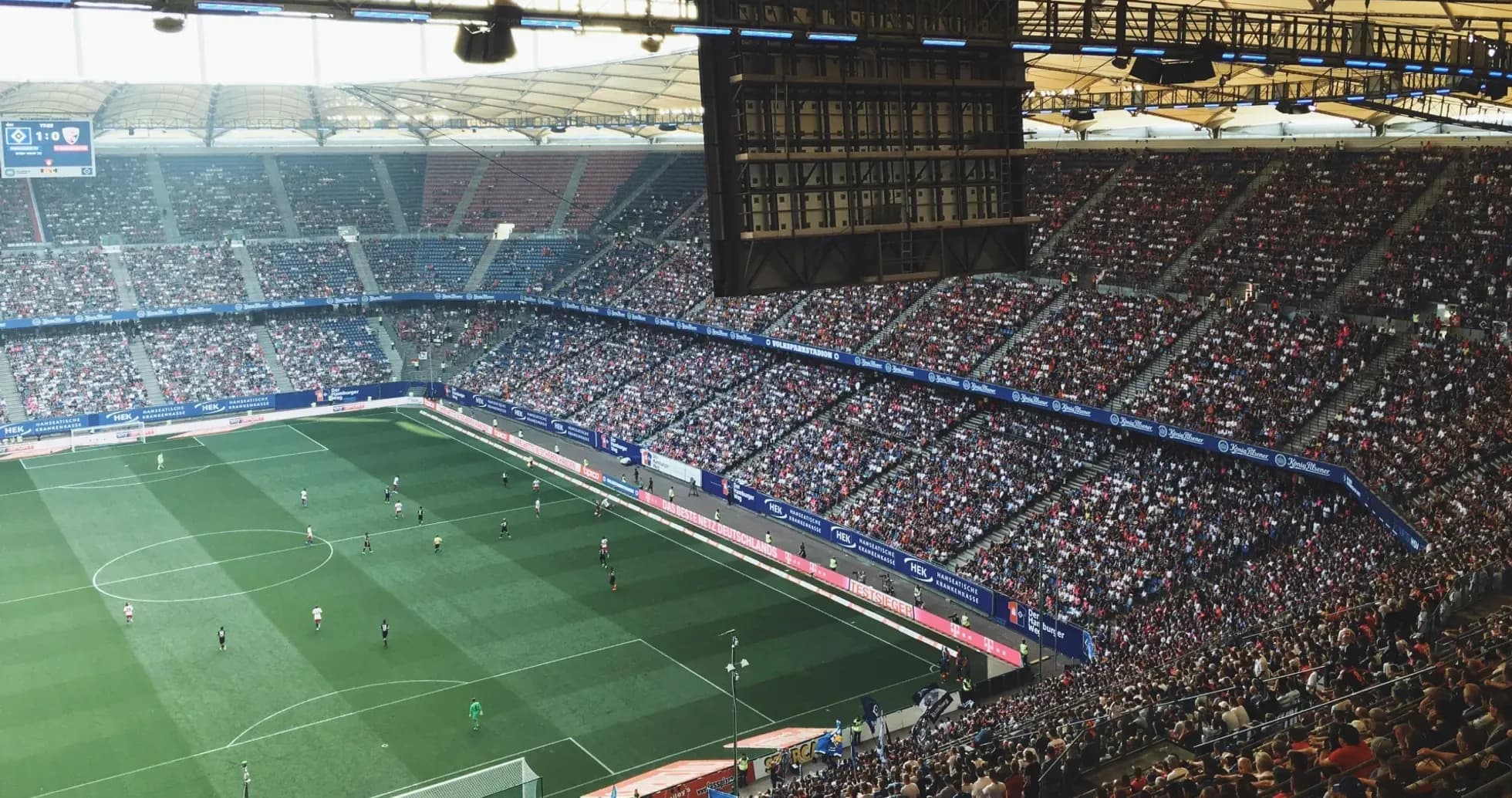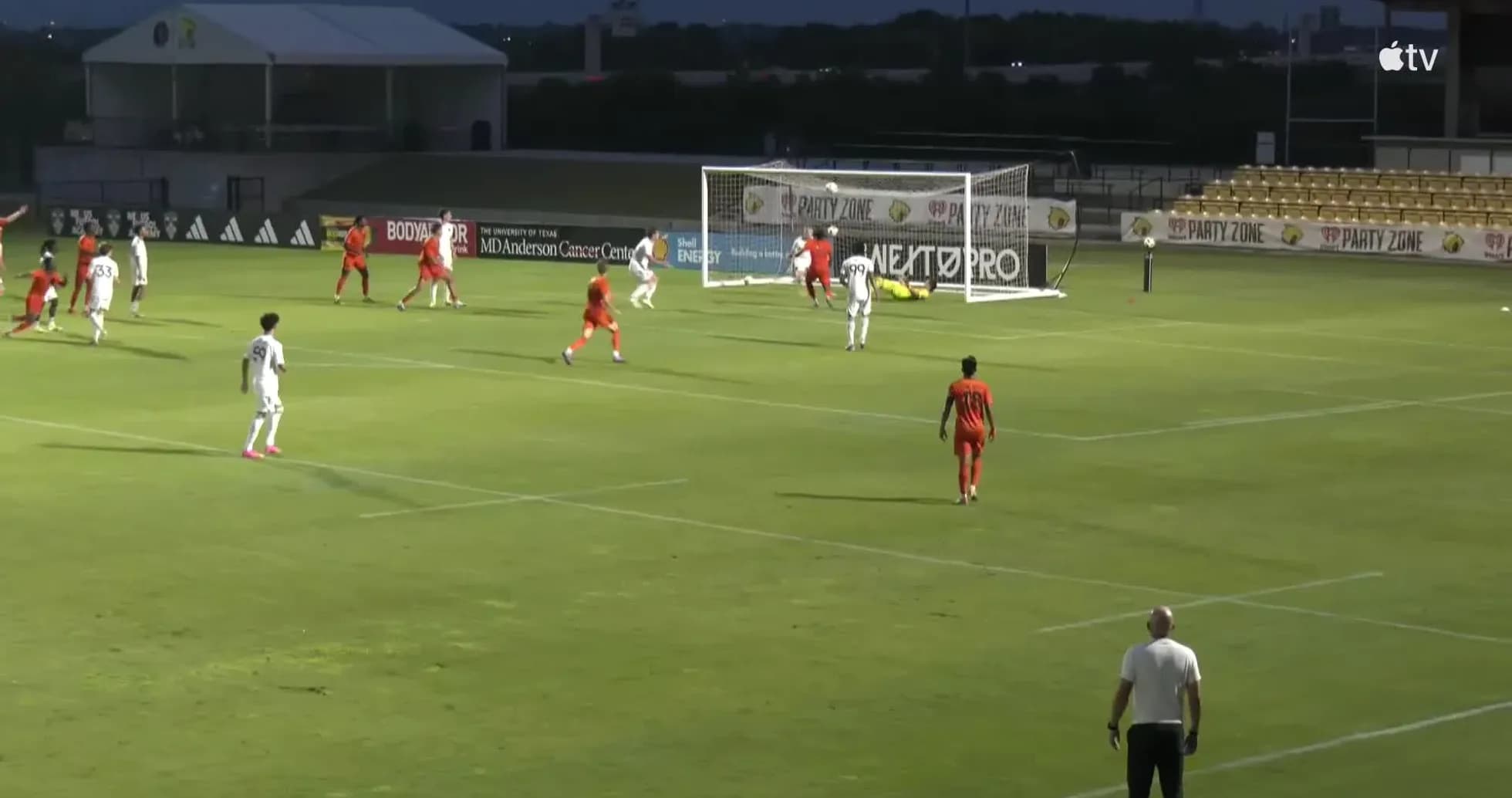
Houston Dynamo FC II Dominates St. Louis City II in MLS Next Pro Showdown
Under the CITYPARK lights, this Group Stage meeting in MLS Next Pro felt like a referendum on early‑season power. St. Louis City II came in as the East’s upstart contender, ranked 2nd in both the Frontier Division and Eastern Conference with 23 points from 10 matches, their total goal difference a healthy +9 (21 scored, 12 conceded). Houston Dynamo FC II arrived as the standard‑bearer: 1st in both tables, a perfect 9 wins from 9, and a total goal difference of +20 (24 for, 4 against) that spoke of ruthless balance.
Following this result, a 4–1 away win for Houston after a 1–1 half‑time, the story of the two squads crystallised: one still thrilling but volatile, the other coldly efficient and increasingly inevitable.
I. The Big Picture: Styles Colliding
Heading into this game, St. Louis City II had built their season on front‑foot football. Overall they averaged 2.3 goals per match, with a particularly sharp edge at home where they scored 2.7 per game and conceded 1.5. They had failed to score at home exactly 0 times and had only 1 total clean sheet on their travels, which underscored their identity: they win by overwhelming, not by shutting games down.
Houston Dynamo FC II, by contrast, were the league’s most complete machine. Overall they scored 2.8 per match while conceding just 0.4. On their travels they still produced 2.4 goals per game and allowed only 0.8. The total clean sheet count of 5, with 4 at home and 1 away, showed that their defensive structure travels even when the margins tighten.
At CITYPARK, those identities clashed. St. Louis’ desire to open the game up gave them a foothold early—reflected in the 1–1 score at the break—but it also created the long, exposed channels that Houston’s transition‑heavy attack lives for. Over 90 minutes, the away side’s total defensive average of 0.4 goals conceded per match felt prophetic: once they settled, they simply squeezed the life out of the contest.
II. Tactical Voids and Discipline: Where the Edges Frayed
There were no listed absentees in the data, so both coaches had their full squads, but the season‑long disciplinary profiles hinted at how the game might tilt once fatigue and frustration crept in.
St. Louis City II’s yellow card distribution is heavily weighted toward the middle of matches: 31.58% of their total yellows arrive between 46–60 minutes, with another 21.05% in both the 31–45 and 61–75 windows. Their red cards are split evenly, 50.00% between 46–60 and 50.00% between 61–75. That pattern suggests a side that starts aggressively, then becomes stretched and reactive as the tempo rises after half‑time.
Houston’s bookings, by contrast, spike late: 22.73% of their yellows come between 61–75 minutes and another 22.73% between 76–90, with a further 13.64% from 91–105. They stay relatively controlled early, then absorb pressure and foul cynically when game‑state demands it.
In a match where Houston were always likely to grow into control, that contrast mattered. Once they pulled away on the scoreboard, St. Louis’ tendency to pick up cards in the second half would only have deepened their structural problems—more desperate presses, more broken lines, more space for Houston to exploit.
III. Key Matchups: Hunter vs Shield, Engine Room vs Screen
Without individual scoring and assist charts, the “Hunter vs Shield” battle here is best understood as unit vs unit.
On one side stood St. Louis’ attack, which at home had produced 16 total goals and a biggest home win of 4–0. They are built to swarm, with players like P. Ault and P. McDonald leading the line and runners such as C. Pearson and T. Pearce providing vertical thrust from deeper zones. The back unit with K. Hiebert and Z. Lillington is encouraged to hold a high line, compressing the pitch to keep opponents penned in.
On the other side was Houston’s shield: a defensive record that had not yet tasted defeat. On their travels they had conceded only 4 total goals across 5 matches, and their biggest away defensive concession was just 1 goal in any single outing. The presence of defenders like N. Betancourt, I. Mwakutuya, E. Hata and R. Miller in front of goalkeeper Pedro Cruz underpinned a system that is comfortable defending space and duels alike.
In midfield—the “Engine Room”—St. Louis leaned on J. Wagoner and C. Pearson to link phases, while A. Jundt and T. Pearce shuttle between lines. Houston countered with Gustavo Dohmann, M. Arana and M. Dimareli, a trio whose season‑long numbers hint at balance: they sit in front of a back line that has allowed just 0.8 away goals per match, yet Houston still manage 2.4 away goals of their own. That duality—screen and springboard—was decisive. Once Houston won the central duels, they could release S. Mohammad, J. Bell and Arthur Sousa into the spaces St. Louis’ high‑risk structure left behind.
IV. Statistical Prognosis and Post‑Match Verdict
If we project this fixture through an Expected Goals lens, the pre‑match indicators were already leaning Houston’s way. A side scoring 2.8 total per match while conceding 0.4, with a total win streak of 9, will usually generate and suppress better xG than an opponent whose total averages are 2.3 for and 1.3 against. St. Louis’ home attacking average of 2.7 suggested they would create enough to threaten, but Houston’s away defensive average of 0.8 implied that many of those looks would be low‑quality or heavily contested.
Following this result, the 4–1 away scoreline feels like the extreme but logical edge of that probability curve. St. Louis City II did what they always do: they opened the game, trusted their attack, and accepted risk. Houston Dynamo FC II did what their season has promised: they absorbed the early storm, then methodically turned the match into a showcase of control, efficiency and ruthless finishing.
In narrative terms, this was not just a group‑stage win; it was a statement from the league’s pacesetters. St. Louis remain a dangerous, playoff‑calibre side whose total goal difference of +9 still marks them as elite. But Houston’s +20, their perfect record, and now a 4–1 victory on one of the toughest grounds in the conference, underline a harsher truth: in MLS Next Pro’s 2026 landscape, everyone is chasing Houston Dynamo FC II—and nights like this show just how far the pack still has to run.