Sporting JAX vs Detroit City: A Lesson in Tactical Disparity
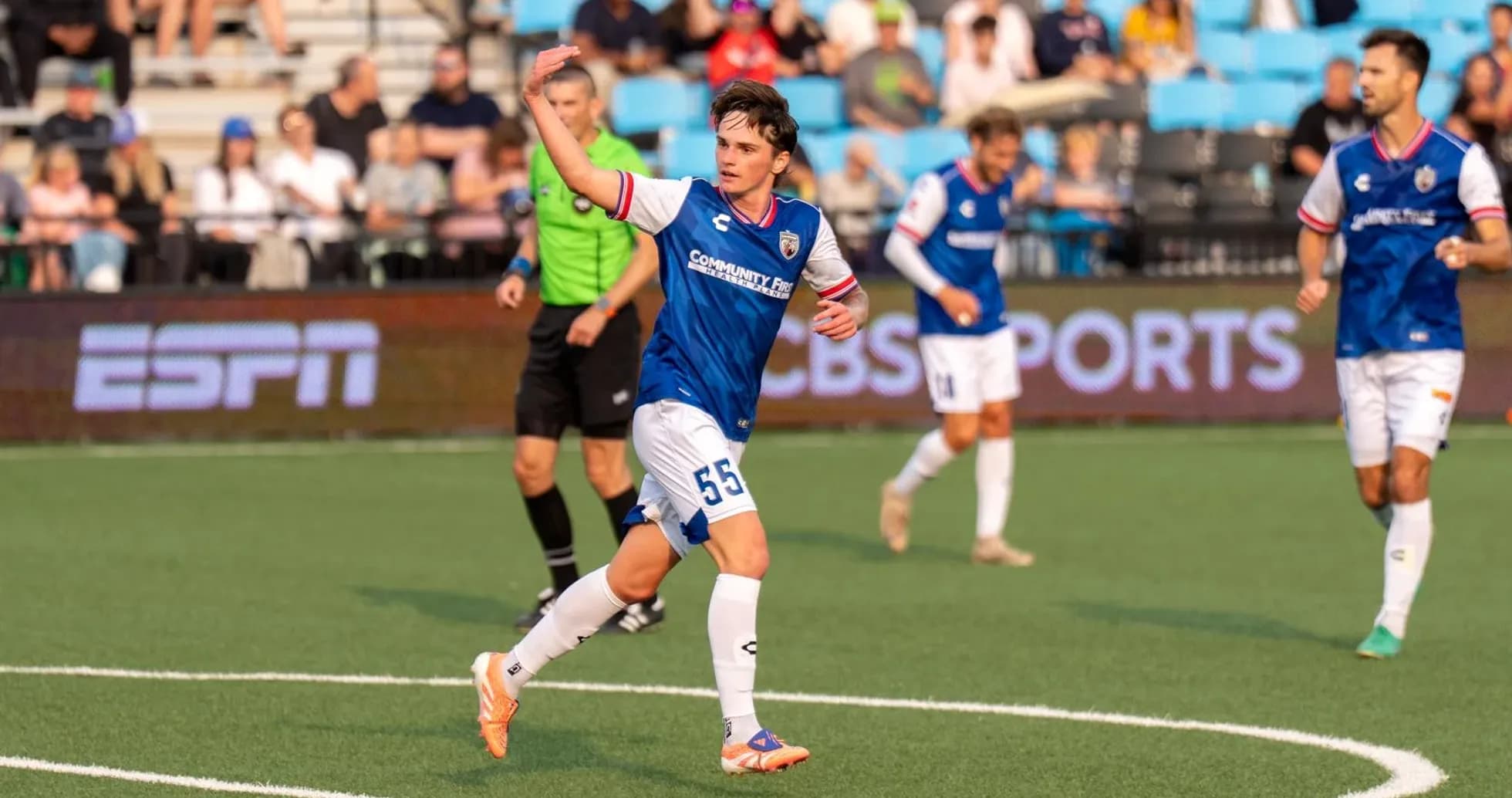
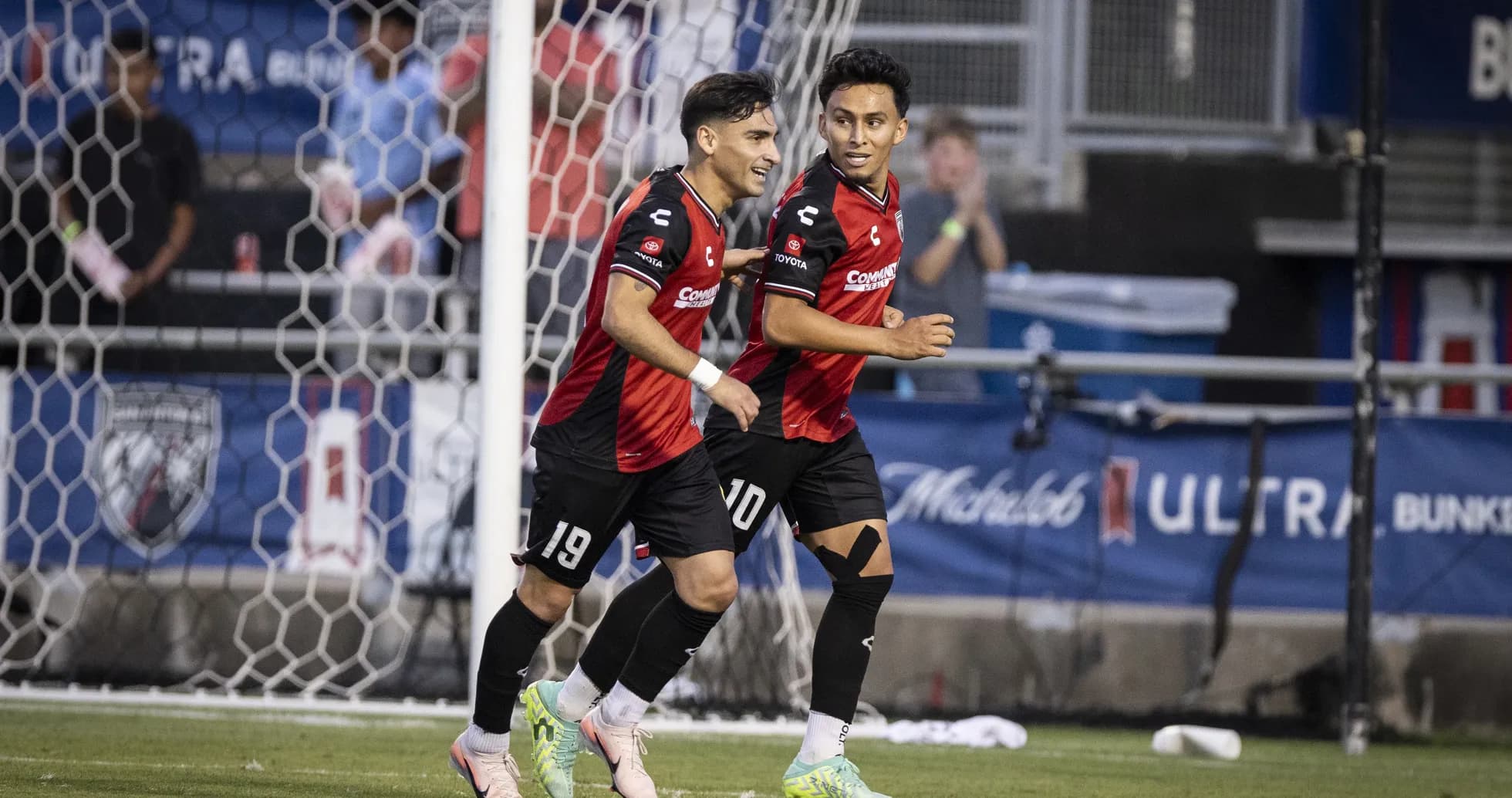
Under the lights at Hodges Stadium, this USL Championship group-stage meeting between Sporting JAX and Detroit City ended not as a tactical arm wrestle, but as a brutal lesson in the gulf between a side still searching for its identity and one already hardened by the promotion race. Detroit City walked away 6–2 winners, three up by half-time (3–1) and utterly in control of the tempo and territory.
Following this result, the standings snapshot is stark. Sporting JAX sit 13th in USL 1 on 3 points from 13 matches, still without a win, with a goal difference of -19 built from 15 goals scored and 34 conceded overall. Detroit City, by contrast, occupy 2nd with 21 points from the same 13 fixtures, their overall goal difference a positive 6 (19 for, 13 against) and their description already tied to the promotion play-off picture.
I. The Big Picture – contrasting identities
The season-long numbers frame what unfolded on the pitch. Heading into this game, Sporting JAX had averaged 1.7 goals for at home but were shipping 3.3 at Hodges Stadium, a chaotic imbalance that made every home outing a high-variance gamble. They had yet to keep a single clean sheet anywhere and had failed to score in 5 of 13 league matches overall.
Detroit City arrived with a more balanced, professional profile. Overall they were scoring 1.5 goals per match and conceding just 1.0. At home they had been almost airtight, allowing only 0.5 goals on average, while on their travels they still kept things relatively controlled at 1.4 against. The 6–2 scoreline in Jacksonville was not just a win; it matched their biggest away haul of the season and echoed their previous 2–6 away victory, underlining that when the game opens up, this side can be ruthless.
II. Tactical voids and discipline – where the cracks show
With no official injury list provided, the story of absences is written more in structure than in names. Sporting JAX’s lineup, built around C. Olivares in goal and a defensive spine of E. Rito, W. Ackwei, R. Edwards and H. Neville, again looked more like a work in progress than a settled unit. In front of them, T. Rose, W. Kuzain and R. Somersall were tasked with stabilising the middle, while J. Rossiter, R. Pedder and E. Jaaskelainen were asked to carry the attacking burden.
The problem is that Sporting’s season-long defensive profile leaves almost no margin for error. Heading into this game they had conceded 20 goals at home and 14 away, with an overall average of 2.6 goals against per match. The late-game picture is especially worrying: their yellow-card distribution shows a clear spike from 76–90 minutes, when 26.47% of their cautions arrive, and another 20.59% between 61–75. Red cards are split between 16–30 minutes and 76–90, 50.00% in each window. This is a team that frays under pressure, both early and late, and the 2–6 collapse fits that pattern of emotional and structural unraveling.
Detroit City’s disciplinary curve tells a different story. Their yellows cluster between 46–60 and 61–75 minutes (27.27% in each range), suggesting a side that raises its physicality after the interval but largely avoids late meltdowns; only 9.09% of their yellows come in the final 15 minutes of regular time. Their single red card this season arrived between 16–30 minutes, an early flashpoint rather than a sign of chronic late-game loss of control. At Hodges Stadium, that composure allowed them to maintain their attacking edge without drifting into chaos.
III. Key matchups – Hunter vs Shield, Engine Room vs Enforcer
Even without explicit top-scorer data, the shapes of the squads hint at the roles that defined this contest.
For Detroit City, the attacking trident of B. Morris, A. Diouf and D. Smith, supported by the creativity of Rafa Mentzingen and the energy of P. Etaka, formed the “Hunter” unit. They operated in front of a back line anchored by D. Amoo-Mensah, C. Montgomery and T. Silva, with K. Hernandez-Foster offering width and progression. Behind them all, C. Herrera provided the last line.
Their task was to probe a Sporting JAX “Shield” that, on paper, has individual quality but collectively concedes far too much space between the lines. With Sporting allowing 3.3 goals at home on average heading into this game, Detroit’s front line found the kind of transitional chaos they thrive in. The 3–1 half-time lead reflected not just finishing quality but the ease with which they reached dangerous zones.
In midfield, the “Engine Room” duel pitted Detroit’s A. Diop and Etaka against Sporting’s Kuzain, Somersall and Rossiter. Detroit’s season profile – 5 clean sheets overall and only 3 goals conceded at home – suggests a unit that understands when to protect their back four and when to release runners. In Jacksonville, that balance allowed Detroit to squeeze Sporting’s build-up, forcing hurried passes into R. Pedder and Jaaskelainen, who were often isolated against a compact visiting block.
IV. Statistical prognosis – what the numbers say about xG and solidity
We are not given explicit xG values, but the season-long shot and goal patterns allow a reasonable tactical inference. A side conceding 2.6 goals per game overall, as Sporting JAX were heading into this fixture, is not simply unlucky; it is structurally open, allowing high-quality chances in volume. The fact that their heaviest home defeat before this was already 2–6 tells us that when opponents commit numbers, Sporting’s box protection and second-ball reactions break down.
Detroit City, conversely, entered with a goal difference of 6 and 5 clean sheets, plus 3 failed-to-score matches that underline a certain pragmatism: they are willing to accept low-event games when control suits them. In Jacksonville, the script flipped. Once they sensed Sporting’s vulnerability, they leaned into aggression, turning what might have been a controlled 2–0 into a statement 6–2.
Following this result, the underlying story is clear. Sporting JAX’s attack can flicker – 10 goals at home and an average of 1.7 at Hodges Stadium show they can hurt teams – but their defensive frailty and late-game disciplinary spikes make any positive xG trend fragile. Detroit City, by contrast, look every inch a promotion contender: a side that can keep things tight when needed, yet has the capacity to explode into a six-goal performance when an opponent leaves the door open.