Southampton Spying Scandal: FA Charges Manager Over Misconduct
Southampton’s spying scandal, which first burst into the open in May, has returned to centre stage this week – this time in front of the FA.
What began with Middlesbrough staff confronting a Saints intern watching their training before the Championship play-off semi-final has since unravelled into one of the most severe disciplinary sagas English football has seen. That incident exposed a pattern: similar surveillance operations had already been carried out against Oxford and Ipswich during the regular season.
The EFL’s response was brutal. An independent commission threw Southampton out of last season’s play-offs, stripping them of a shot at promotion and the estimated £200m that comes with a place in the Premier League. The punishment did not stop there. The club also started the current campaign on minus four points, a handicap that still weighs on their season.
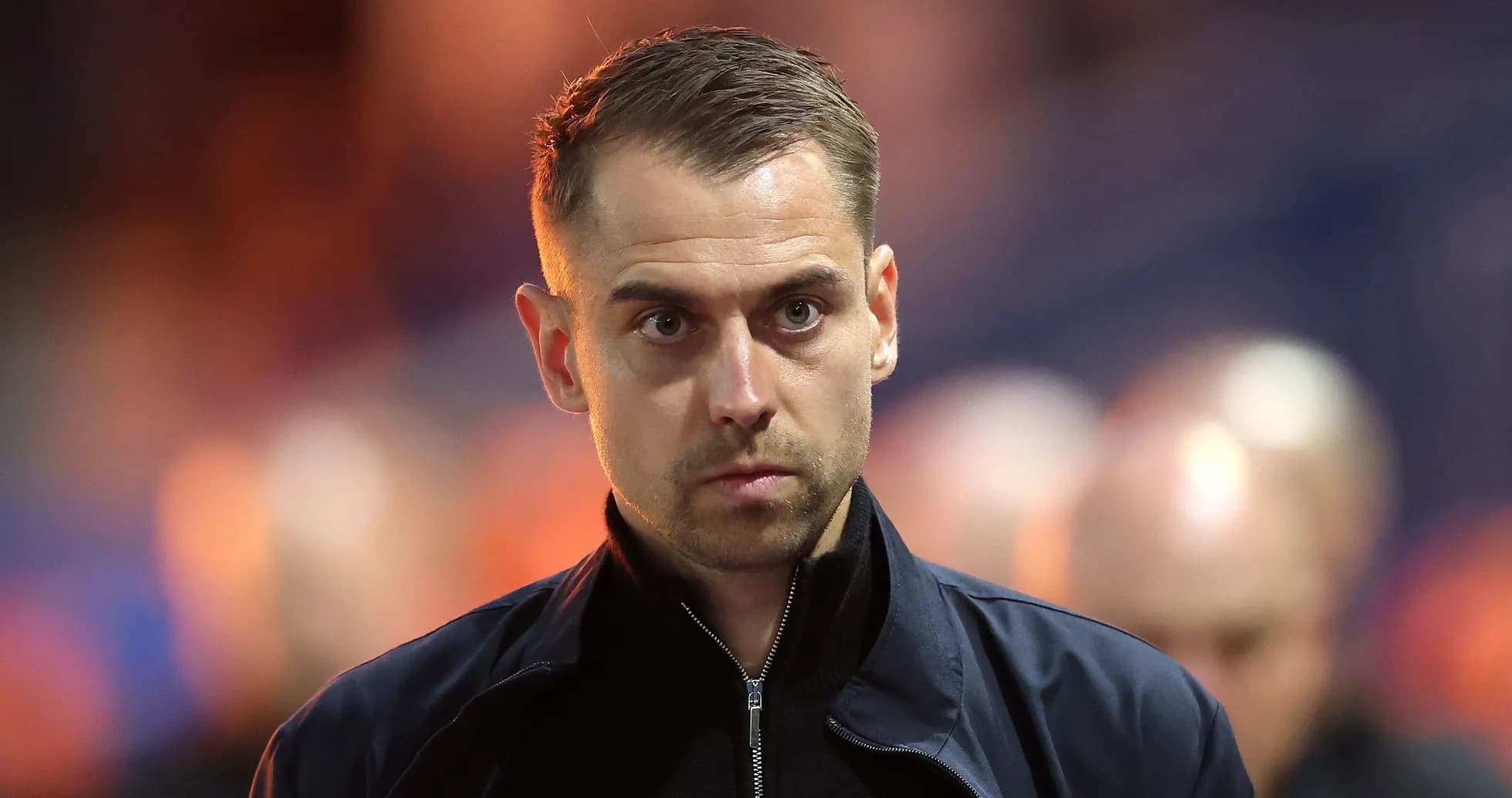
Now the FA is circling the same case from a different angle. Manager Eckert was formally charged with misconduct in July over the spying missions, and an independent regulatory commission will examine his fate this week. The club, already reeling from the EFL sanctions, is braced for another judgment.
Chief executive Phil Parsons, speaking ahead of the hearing, made a direct plea for perspective.
"What we hope as a club is they actually recognise where we are at the moment, and what we've already been through, because I think it has to be taken into account," he said, underlining the financial and emotional cost. "We lose money not being in the Premier League, but [local] businesses lose money. We had to spend a huge amount on legal fees, and it really impacts the club even further.
"I really feel like we've taken enough. We've been hurt. I think it's one of the largest sanctions ever when it comes to football, or even sporting, history. We don't want to be seen as a victim of this. We need to get on. We've had our cards dealt."
Those words reflect a club trying to move forward while still shackled to the consequences of a scheme the EFL commission described in stark terms. In its written reasons, the panel said the espionage amounted to "a contrived and determined plan from top down to gain a competitive advantage". It also highlighted the position of junior staff, who were found to have felt pressured into carrying out the covert work.
That assessment cuts to the heart of the culture question now hanging over Southampton. This was not, in the commission’s eyes, a rogue operation. It was a system.
Eckert, though, has consistently argued that he did not realise the spying missions breached EFL rules. In a BBC interview on Monday, he aligned himself with Parsons’ sense of shock at the scale of the punishment, but did not duck his own role.
He labelled the sanctions "absolutely unheard of in the history of sports", adding: "It's been a big, big punishment. And it's tough for me to say that because it concerns me. I'm judging on myself, not an outside situation. But I've asked for forgiveness for what I've done. I've apologised publicly."
His final reflection captured the strain inside the club. "I think the punishment has been very hard on the club for the last season," he said, pointing to the lingering damage that extends far beyond one manager’s reputation.
The FA commission now has to decide whether that damage is punishment enough, or merely the starting point for the next chapter in a story that has already redrawn the boundaries of what off-field sanctions can do to a club’s future.