
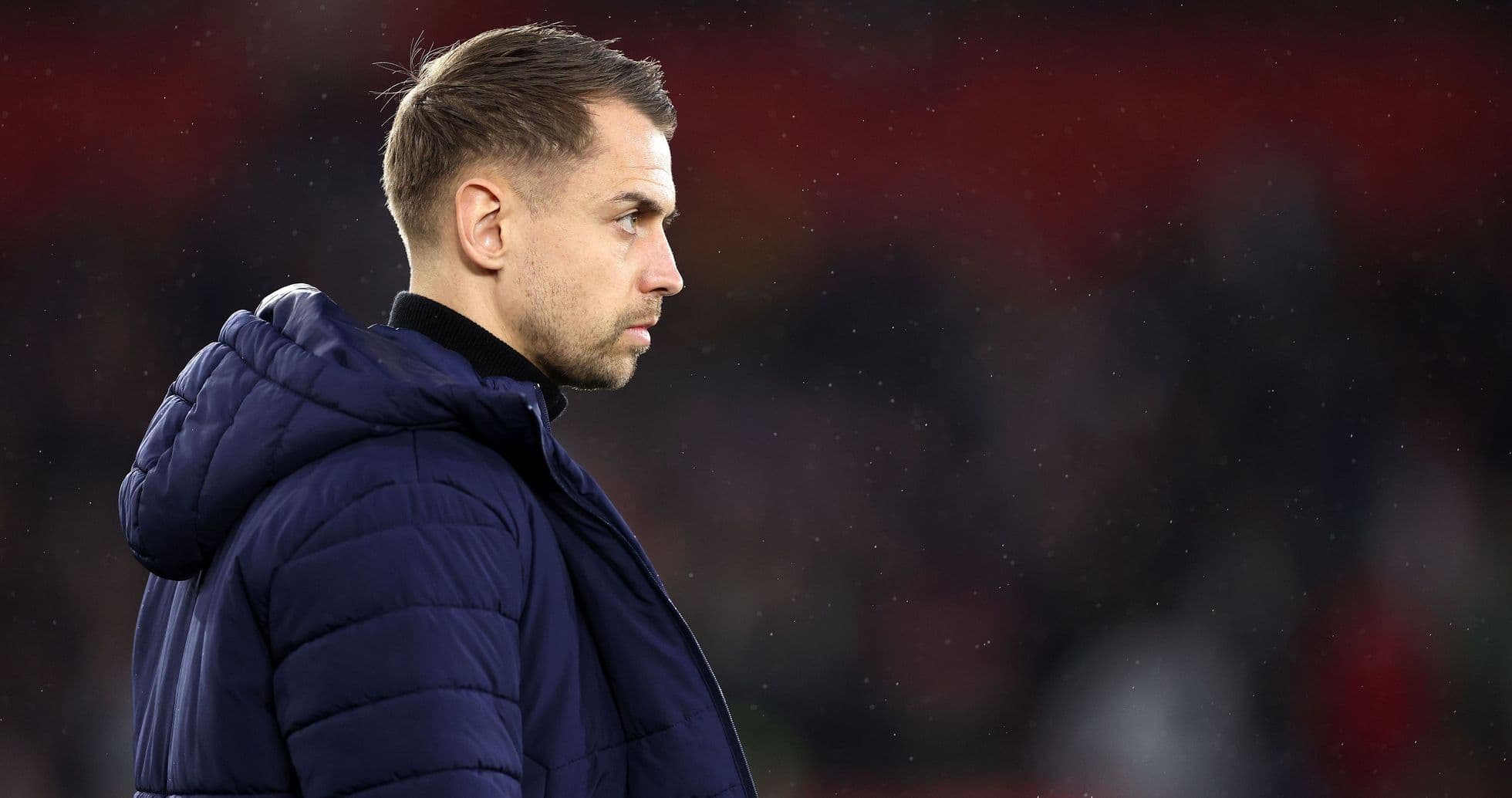
Southampton Expelled from Play-Offs After Spying Scandal
Southampton’s promotion push has been ripped up in the courtroom rather than on the pitch, after an independent disciplinary commission expelled the club from the Championship play-offs and hit them with a four-point deduction for next season for a covert spying operation on rival teams.
The verdict is brutal. The language, even more so.
The commission found that manager Eckert personally authorised a series of clandestine observations on Oxford United, Middlesbrough and Ipswich Town, all designed to prise open tactical secrets and tilt the play-off race in Southampton’s favour.
This was no rogue analyst with a long lens. It ran from the top.
A Manager at the Centre of the Storm
The written findings leave little room for doubt. Eckert wanted specifics: Oxford’s likely formation for caretaker boss Craig Short’s first match in charge, and key fitness information on Middlesbrough midfielder Hayden Hackney ahead of the semi-final first leg.
The commission concluded that the information was sought “to directly influence match strategy”. Not curiosity. Not routine scouting. A targeted attempt to shape how Southampton set up.
The observations, the report states, were authorised at senior level. Tasks were then handed down the chain, including to an intern, as part of what the panel described as a “contrived and determined” plan to gain an edge.
The output of those spying missions did not sit in a drawer. It fed straight into Southampton’s analysis work, was discussed with Eckert and other staff, and was used with one purpose: to inform how they would approach the games.
Intern at the Sharp End
The most damning passages concern the treatment of intern William Salt, who was caught filming a Middlesbrough training session.
Salt, a junior member of staff with no job security, found himself on the front line of a scheme driven by senior figures. The commission highlighted that staff like him were “put under pressure to carry out activities they felt were, at the least, morally wrong”.
In one incident, the intern was delegated to observe Middlesbrough and Oxford United. He refused to take part in what the report calls the “IT incident” but did carry out other tasks. The panel made clear that this was not a case of a young analyst freelancing for experience. He was acting at the direction of those above him.
The commission described Southampton’s use of junior staff for “clandestine activities” as “particularly deplorable”, underlining the power imbalance and vulnerability of those trying to break into the professional game.
Echoes of ‘Spygate’ – and a Defence Dismissed
Southampton admitted breaching EFL rules. Their line of defence lay elsewhere: they argued they were unaware of the specific regulations on training-ground observations that came in after the 2019 Leeds United ‘Spygate’ affair.
The commission did not buy it.
Public confidence, the panel said, was “paramount”. The integrity of the play-off competition, in their view, had been “seriously violated”. Ignorance of updated rules, particularly in the wake of such a high-profile precedent, was no shield.
The report drove the point home: gaining access to information that an opponent “would wish to keep private” inherently provides “a sporting advantage”. That, the commission concluded, was precisely the point of Southampton’s operation.
Fallout That Will Linger
The punishment is severe: expulsion from the play-offs and a four-point handicap to start next season. The message is even harsher.
This was not dismissed as overzealous scouting or a grey area of gamesmanship. The commission framed it as a deliberate, top-down campaign that crossed a clear ethical and regulatory line, striking at the heart of fair competition.
For Southampton, the cost is immediate and measurable on the league table. The deeper damage may be to reputation – of a club, of a manager, and of a culture that left its youngest staff carrying out work they believed was wrong.
The Championship will move on. The question now is how long it will take Southampton to do the same, and what kind of club emerges on the other side of a scandal that has redrawn the limits of what English football will tolerate in the pursuit of an advantage.





