SFA to Appoint Sébastien Pocognoli as Scotland Manager
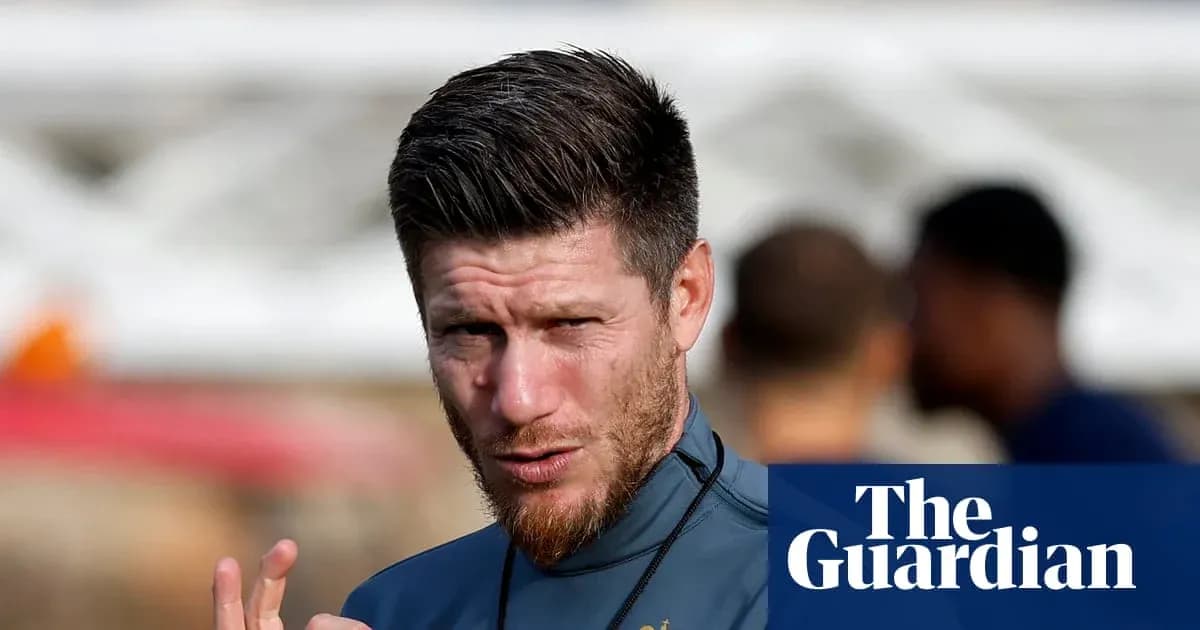
Scotland are preparing for a bold change of direction, with the Scottish Football Association aiming to appoint Belgian coach Sébastien Pocognoli as the new national team manager early next week.
The 39-year-old, dismissed by Monaco in June, is poised to become Scotland’s first foreign head coach since Berti Vogts, whose turbulent spell ran from 2002 to 2004. This time, the mood feels different. The need for a reset is sharper, the stakes higher.
Clarke era ends in abrupt fashion
Steve Clarke’s reign ended suddenly and sourly, with Scotland tumbling out of the World Cup at the group stage. The timing jarred. Clarke had signed a four-year contract extension on the eve of the tournament, a deal that looked like a statement of long‑term faith. Within weeks, it was over.
For seven years he had delivered what Scotland had craved: stability, qualification, relevance on the major stage. Yet the criticism never quite left him. His cautious, pragmatic approach grated with sections of the support who wanted more ambition with the ball, not just resilience without it.
Once the World Cup exit was confirmed, the SFA’s response was swift. The search quickly widened beyond domestic candidates. Jon Dahl Tomasson and Kasper Hjulmand were both linked, their names floated as part of a clear shift towards a more outward-looking appointment.
From Union glory to Monaco setback
Into that landscape steps Pocognoli, a coach whose reputation has grown quickly, and not without drama.
After moving into youth coaching following his playing days, he took charge of Union Saint-Gilloise in Belgium and transformed them. Under Pocognoli, Union ended a 90-year wait for a league title in 2025, a breakthrough that turned him into one of Europe’s rising coaching names. That triumph, in a club steeped in history but starved of success, marked him out as a builder, not just a tactician.
Monaco came calling. The jump to Ligue 1 was inevitable; the stay was brief. Pocognoli lasted only eight months and 38 games in France before being sacked in June. It was a harsh reminder of the volatility at the top end of the club game, and a blemish that his critics will not ignore.
Yet that same spell may harden him for what comes next. International football, and Scotland in particular, demand resilience as much as vision.
Fresh ideas for a restless support
Pocognoli’s arrival is likely to be greeted with cautious optimism. The appetite for something different is real. A younger coach, with a reputation for front-foot football and for reviving a sleeping giant in Union, fits the mood of a fanbase weary of Scotland retreating into their shell on the biggest stages.
He will not inherit a broken team, but he will inherit a bruised one. Clarke leaves behind a squad that has tasted major tournaments yet still feels stuck at the threshold, unable to step through.
There will be questions. How quickly can Pocognoli impose his ideas? How will established senior players respond to a foreign voice in the dressing room for the first time in two decades? And how much patience will he be granted if results do not immediately follow a more expansive style?
Nations League baptism
There will be little time for easing in. Scotland open their Nations League campaign away to Slovenia on 26 September, a fixture that will likely be Pocognoli’s first in the dugout. Three days later comes his first home assignment: Switzerland in Glasgow.
Two games. One away test, one under the Hampden lights. Both against disciplined, awkward opponents. It is a sharp, unforgiving introduction to the job.
By the end of that first international window, Scotland will have an early glimpse of what Pocognoli’s Scotland looks like: a continuation with tweaks, or a clean tactical break from the Clarke era.
Either way, the SFA has made its choice. After years of looking inward, Scotland are handing the keys to a Belgian coach with something to prove and a nation to convince.